
Google has expressed its willingness to cooperate with Nigerian authorities following the Federal Government’s decision to investigate leading technology companies over alleged anti-competitive conduct and the use of media content.
The statement came after the Federal Competition and Consumer Protection Commission (FCCPC) launched an inquiry into claims involving unfair market practices, the unauthorized use of news content, and issues linked to generative artificial intelligence platforms operating in Nigeria.
Speaking on the matter, a Google representative reaffirmed the company’s commitment to supporting Nigeria’s digital economy, particularly its media and creative sectors. According to the spokesperson, Google intends to work closely with the FCCPC throughout the investigation while demonstrating the positive impact its products, services, and partnerships have on Nigerian businesses, publishers, and users.
The investigation follows a directive from President Bola Tinubu, who instructed the FCCPC to examine complaints submitted by the Nigerian Press Organisation, an umbrella body representing newspaper owners, journalists, broadcasters, and digital publishers.
Media stakeholders have voiced concerns over the increasing dominance of global technology platforms, arguing that practices such as content scraping, AI model training using journalistic material, and evolving digital distribution methods could threaten the financial sustainability of local news organisations.
As part of its inquiry, the FCCPC will assess whether companies including Google’s parent company, Alphabet, Meta, and X have engaged in practices that breach Nigeria’s competition regulations or create unfair advantages within the digital marketplace.
The commission will also investigate allegations that copyrighted news content has been extracted, processed, and commercially used without authorization in the development and training of artificial intelligence systems.
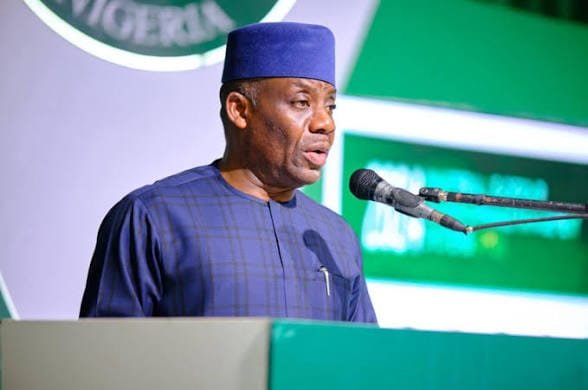
FCCPC Chief Executive Officer Tunji Bello stated that the investigation would be conducted independently, transparently, and based on available evidence, emphasizing that the exercise should not be interpreted as an indication of guilt by any of the companies involved.
He added that every organisation affected by the probe would be given an opportunity to present its position before the commission reaches any conclusions.
Google’s decision to engage with regulators reflects its preference for dialogue as Nigeria increases oversight of the influence of major technology companies on the country’s media landscape and digital economy.
The investigation comes at a time when governments worldwide are debating whether technology companies should compensate news publishers whose content supports online search services, digital advertising, and artificial intelligence development.
Several countries have already introduced regulations requiring technology firms to negotiate licensing or commercial agreements with news organisations as publishers search for sustainable revenue sources amid declining advertising earnings.
The outcome of Nigeria’s investigation could significantly influence future policies governing the relationship between digital platforms, content creators, and media organisations across the country.
Google Plead for Dialogue as Nigerian Government Investigates Major Tech Firms
Posted by
–



Recent Posts

FG to establish 200 new Telecommunication Sites before December

Call for Implementing Partner for Young Africa Innovates Cohort 2 (Nigeria)

Nigeria Commissions New NDPC Headquarters to Strengthen Data Protection
OpenAI Boss Sam Altman says the World is Right to be Afraid of AI but ‘Should Trust’ AI firms