The World today is in a very frantic race for Technology dominance. Today, Lithium sits at the heart of the modern Technological and green energy revolution as Lithium powers the batteries in electric vehicles, smartphones, laptops, and renewable energy storage systems that are supposed to help the world cut carbon emissions.
The critical mineral sits at the centre of the global transition to cleaner energy because Lithium powers rechargeable batteries used for Electric Vehicles therefore securing its supply is an economic and geopolitical priority.
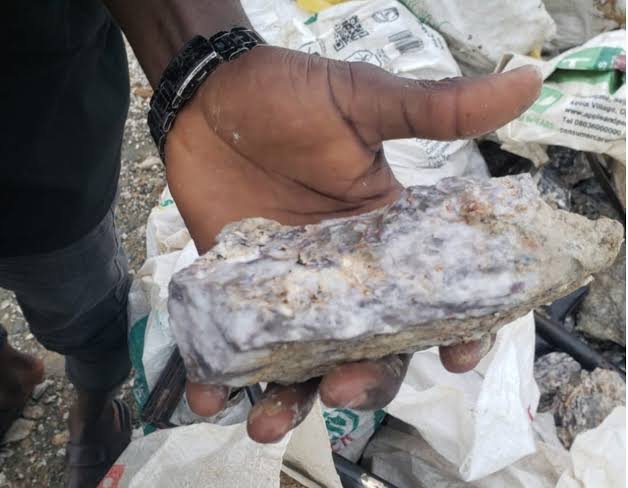
Africa’s Large Lithium reserves could help power one of the defining technological transformations of this century. At the same time, they could also become the next chapter in a long history of resource-driven conflict.
The International Energy Agency expects global lithium demand to increase as electric vehicle production and renewable energy storage expands. Africa, particularly the Sahel, is becoming increasingly important in the search for supply.
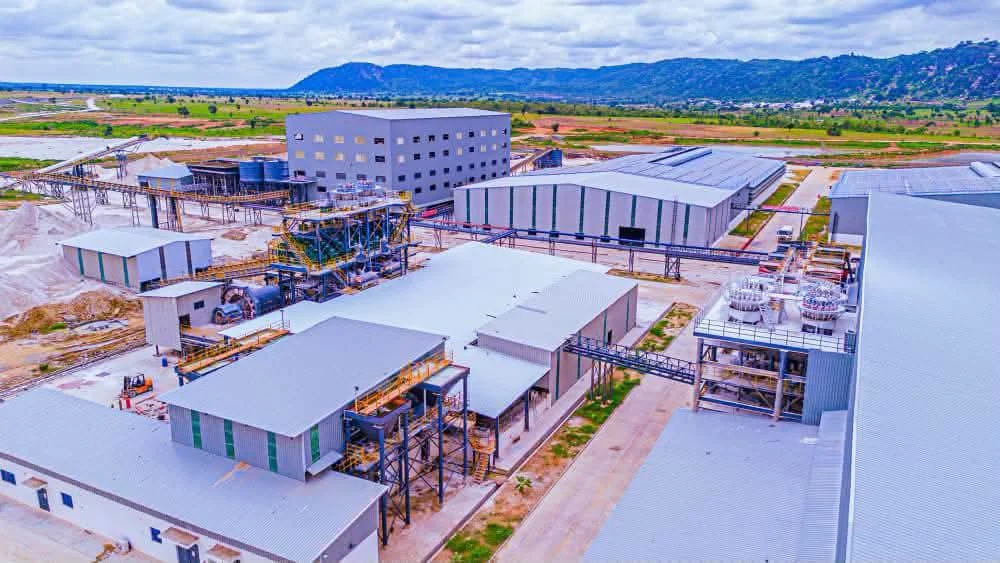
In Nigeria today, Lithium mining is expanding rapidly but remains largely informal and outside government an example is the recently Launched $250 million lithium processing plant commissioned in July 2026. Built by Diamond New Energy in partnership with Chinese firms Jiuling and Canmax, the facility processes 6,000 metric tonnes of lithium ore daily 10,000 MT Lithium Mining and Processing Factory launched in Endo Local Government Area of Nasarawa State Nigeria.
Today in Nigeria, Criminal groups are exploiting the lack of mining regulation. They demand protection payments and infiltrate both legal and illegal supply chains. For instance, jihadist and criminal groups particularly Boko Haram and the Islamic State West Africa Province (ISWAP) are exploiting the weak oversight of lithium mining to generate revenue and expand their operations.
On the Wider base, Africa already supplies tens of thousands of tonnes of lithium annually, with over 40,000 tonnes of lithium mined from African rock each year for international consumers, projections suggest production could rise dramatically toward 500,000 tonnes by around 2030 as global needs expand.
In Africa today, Zimbabwe currently leads large-scale Lithium output, while significant deposits exist or are being developed in Mali (including the Goulamina project), the Democratic Republic of Congo (notably the high-grade Manono deposit), Nigeria, Burkina Faso, Niger, Ghana, and elsewhere. Much of this extraction remains informal or artisanal in remote areas, precisely where state authority is weakest.
Researchers examining the region have documented how armed groups tax or regulate informal lithium mining, control access to sites, and facilitate cross-border smuggling. Weak governance, limited state presence in remote border zones, and the speed of the global scramble for critical minerals create openings.
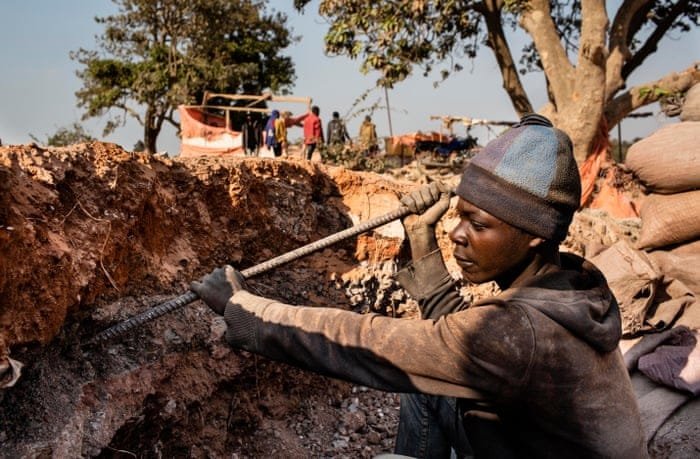
In Burkina Faso, jihadist groups have used informal mining networks to generate revenue and consolidate local influence. In Niger, political instability after the 2023 coup weakened border controls and raised smuggling risks. In Nigeria, Boko Haram and ISWAP have been linked to exploiting poorly overseen lithium activity.
Nigeria illustrates the pattern particularly clearly. The country holds promising lithium and associated critical mineral deposits across multiple states sadly, Illegal mining has become a serious security challenge. Armed groups in Nigeria and bandits have moved beyond simple extortion to control sites, displace communities, run protection rackets, and feed minerals into illicit transnational supply chains.
Reports have described collaborations or payoffs involving foreign operators (including some Chinese-linked actors) and local armed factions to secure access to deposits. Gold has historically been the bigger driver of banditry and rural violence in the northwest and north-central regions, but lithium and other high-value minerals are increasingly part of the same ecosystem.
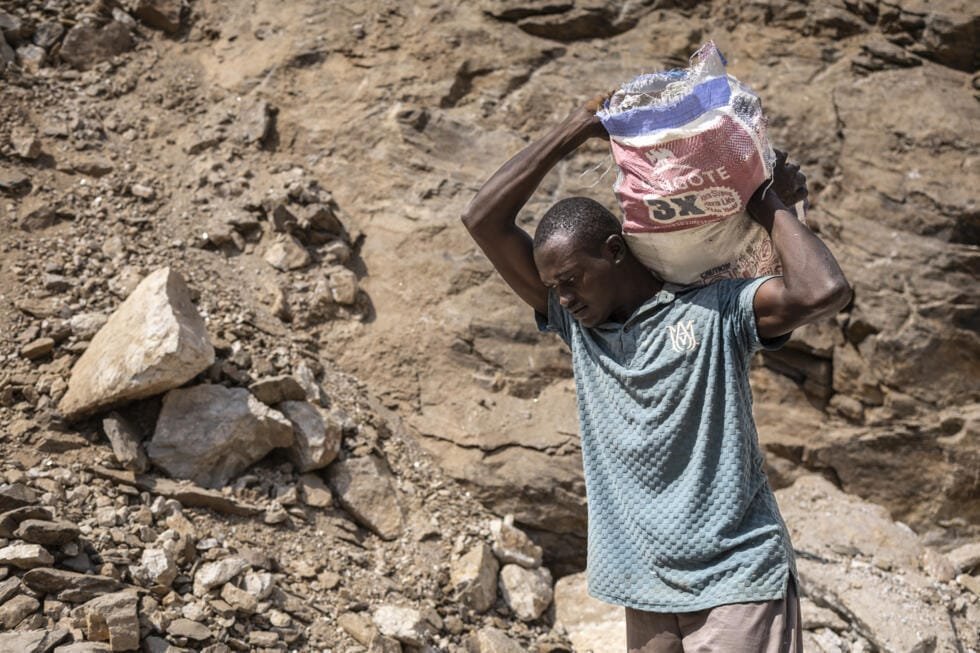
Across the continent, the mechanism is familiar. Valuable resources in areas of weak institutions attract both legitimate investment and predatory armed actors. Artisanal and small-scale mining (ASM) provides livelihoods for many but is hard to regulate. Armed groups insert themselves as de facto governors—taxing diggers, controlling trade routes, or offering “protection.” The minerals then enter opaque supply chains that can reach international markets, sometimes after being mixed with formal production or misdeclared.
Today, growing lithium industries in Africa are becoming entangled in existing conflicts, insurgent activity and cross-border smuggling. These are all enabled by weak governance.
Community tensions, restricted farmland access, clashes with security forces protecting mining sites, and allegations of opaque deals between local elites and foreign companies further fuel grievances that armed groups can exploit.
For governments facing persistent economic challenges, lithium reserves are attracting investment and creating jobs.
While Mali, Burkina Faso, Niger and Nigeria are already grappling with violent insurgencies. They also face organised crime, weak institutions and limited government control over remote border regions.
The same natural resource conditions that attract investors also attract armed groups and just Like any organisation, these armed groups need money to sustain their operations.
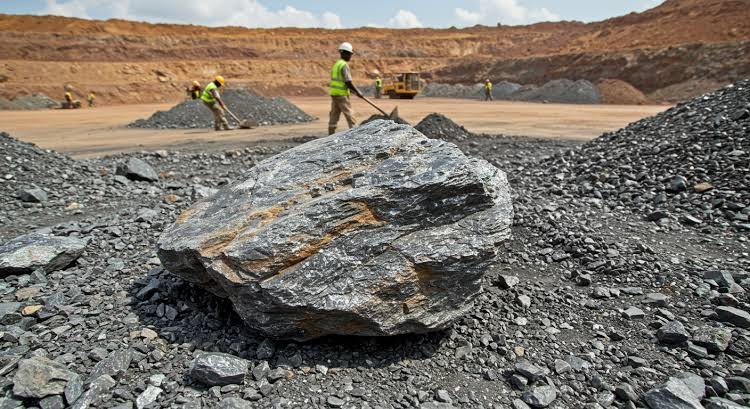
They tax miners and control access to mining sites. They also charge traders and transporters moving minerals through their territory, and provide “security” where governments cannot.
In doing so, they perform some of the functions normally associated with the state.
Whats next for Sustainable Lithium Mining in Africa?
The global transition to cleaner energy depends on expanding lithium production. But rising demand also creates incentives for faster extraction. This can outpace governments’ ability to put effective regulation and oversight in place.
The batteries helping the world reduce carbon emissions could therefore, indirectly, help finance some of Africa’s deadliest armed groups.
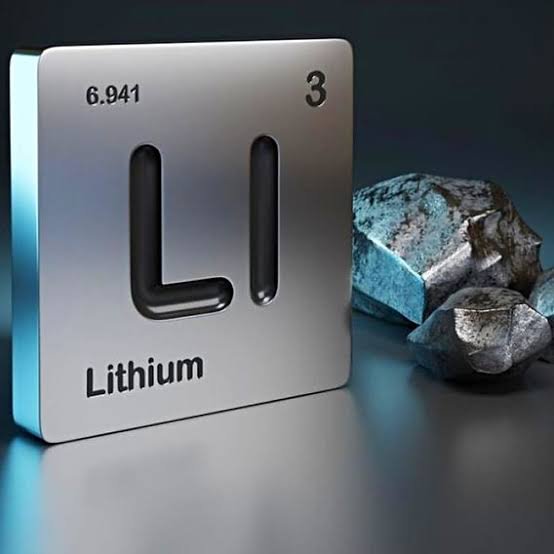
The Sustainable Solution is to govern Lithium mining better.
Governments must bring artisanal and small-scale miners into the formal economy. This can be done through licensing, legal protections and transparent markets. State authority should be restored in mining regions.
Regional organisations should deploy modern Artificial Intelligence systems for tracking minerals across borders and sharing intelligence on illicit trade.
African governments should invest more in processing lithium instead of exporting raw ore.
Formalising artisanal mining is likely to be most effective where governments control their territory. Sharing intelligence is important where trafficking routes span countries – like Mali, Burkina Faso and Niger. Domestic lithium processing can deliver long-term benefits in countries with stronger institutions and the capacity to support industrial development.
These recommendations are grounded in approaches already adopted elsewhere in Africa. There are regional mineral traceability initiatives in the Great Lakes region and efforts by countries like Zimbabwe to promote domestic lithium processing.
Which future emerges will depend on the governments responsible for managing it.
Why This Matters for the Green Transition in Africa
The global energy transition depends on scaled-up lithium supply. If significant volumes are tainted by conflict financing, the batteries intended to reduce emissions risk indirectly sustaining some of Africa’s deadliest armed groups.
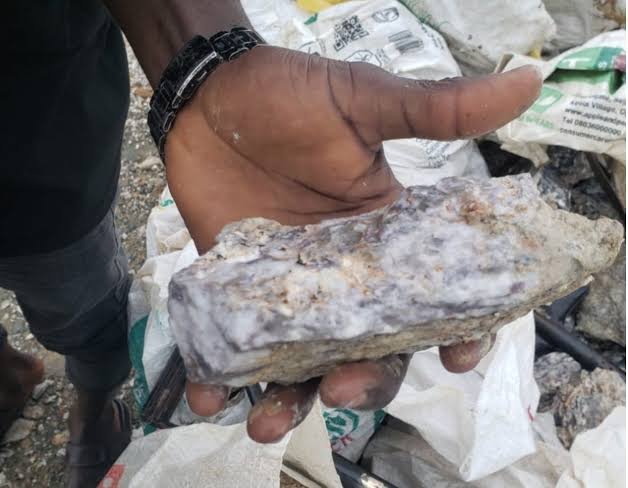
This is not inevitable. Gold and diamonds have shown both the destructive potential of ungoverned extraction and the possibility of reforms through certification, formalization of ASM, stronger state presence, and supply-chain due diligence.
Solutions require hastened action on multiple fronts. African governments need stronger oversight, formalization of artisanal mining where feasible, better security in mining zones without simply militarizing communities, and transparent licensing that delivers real benefits to local populations.
International buyers and manufacturers must demand genuine traceability rather than paper compliance. Geopolitical competition between major powers should not come at the expense of governance and local stability. Resource nationalism and local processing ambitions (seen in export bans or higher royalties in places like Zimbabwe and the DRC) can help retain more value, but only if paired with capable institutions.
Lithium was never destined to become a conflict mineral in the classic sense of the 3Ts or diamonds. Yet the combination of surging global demand, remote deposits, and fragile governance is producing exactly that risk in parts of Africa.
The mineral meant to power cleaner technologies is, in these zones, helping power the very violence that undermines development and human security. Closing that gap between intention and reality is one of the quieter but urgent challenges of the energy transition and African Governments must hurriedly put all hands on deck to avert this Looming crisis.