Zhu Shuhan, a second-year junior secondary (roughly eighth-grade) student, created the app Zai Chang (“On Site”) for Markethon, a national AI product marketing competition also described as China’s first “no-judges” marketing hackathon held in Hangzhou from August 21–23, 2026.
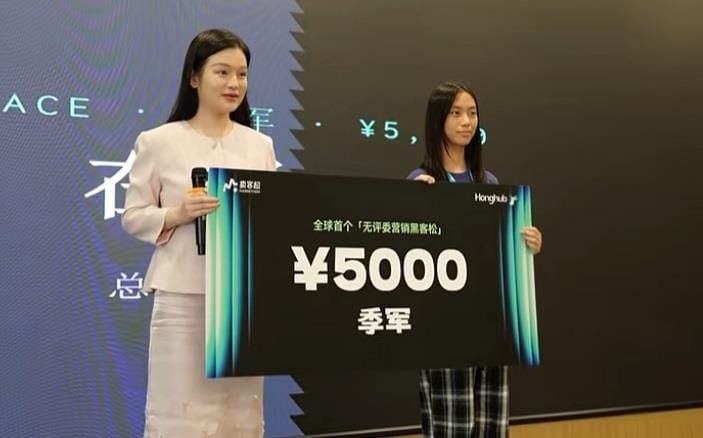
The event featured more than 50 teams with Winners ranked solely by real revenue generated from paying users during the three-day period rather than by technical judging or score sheets.
Her app brought in roughly 18,000 yuan that’s about US$2,600–2,700 from around 86–90 orders and secured third place plus a 5,000-yuan cash prize.
How the App Works
Parents upload a photo of themselves. The system generates a virtual parent that appears on the child’s screen during homework or study sessions. Using the device’s camera, the app detects distractions such as phone use, leaving the seat, or other off-task behavior and issues a voice reminder from the virtual parent. After the session it produces a concentration/focus report summarizing attentive versus distracted time.
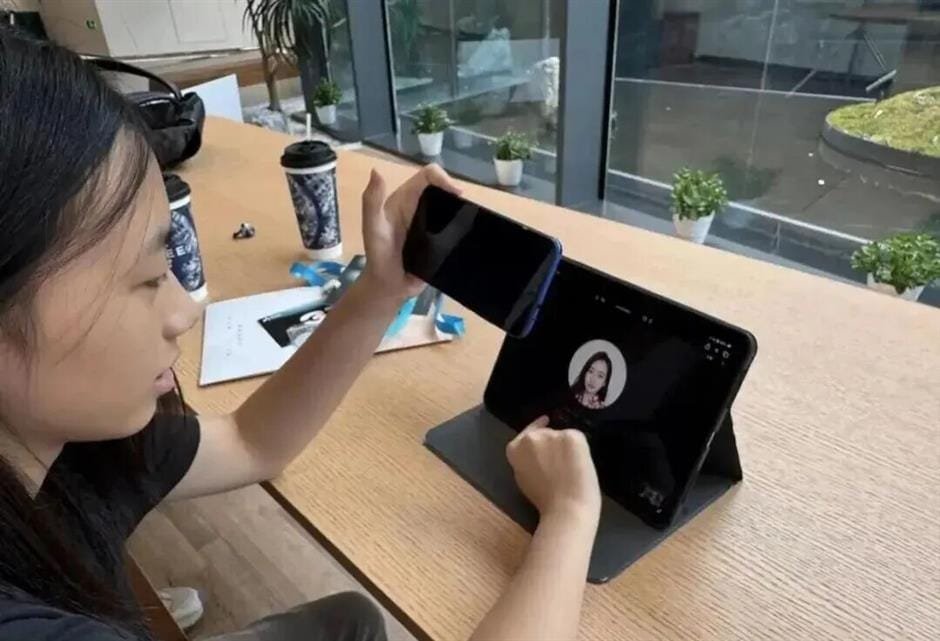
Zhu deliberately kept the tone gentle. Early versions reportedly included stronger “angry mom” alerts or notifications to real parents; she later softened or removed some of those features. “I don’t like tattling, so I hoped it could be gentler and leave children a little space,” she said. She also noted that images are analyzed in the cloud and then deleted, with no continuous video recording.
Pricing during the competition included annual subscriptions around 99 yuan and lifetime options around 199 yuan. Promotion relied heavily on her mother’s livestreaming and short-video content on Chinese platforms, with Zhu joining streams to answer questions; some sales also happened in person at the event.
Built Without Traditional Coding Skills
Zhu had essentially no formal programming background and only started exploring AI the previous year, largely through self-study via educational sites, online tools, and chatbots. She described her ideas in natural language to large language models, which helped structure the logic and generate code. She tested, debugged, and iterated herself. The core functions came together in about three to four days of intermittent work; a working version was ready roughly a day before the competition.
The inspiration was personal and practical. Her parents work long hours, so she often studied alone and sometimes lost focus or checked her phone. Classmates reported the same problem. She framed the product as a “digital parent clone” or virtual study companion that could fill the supervision gap without constant parental presence.
“This development experience made me realise that as long as you have a great idea, AI can bring it to life,” Zhu said.
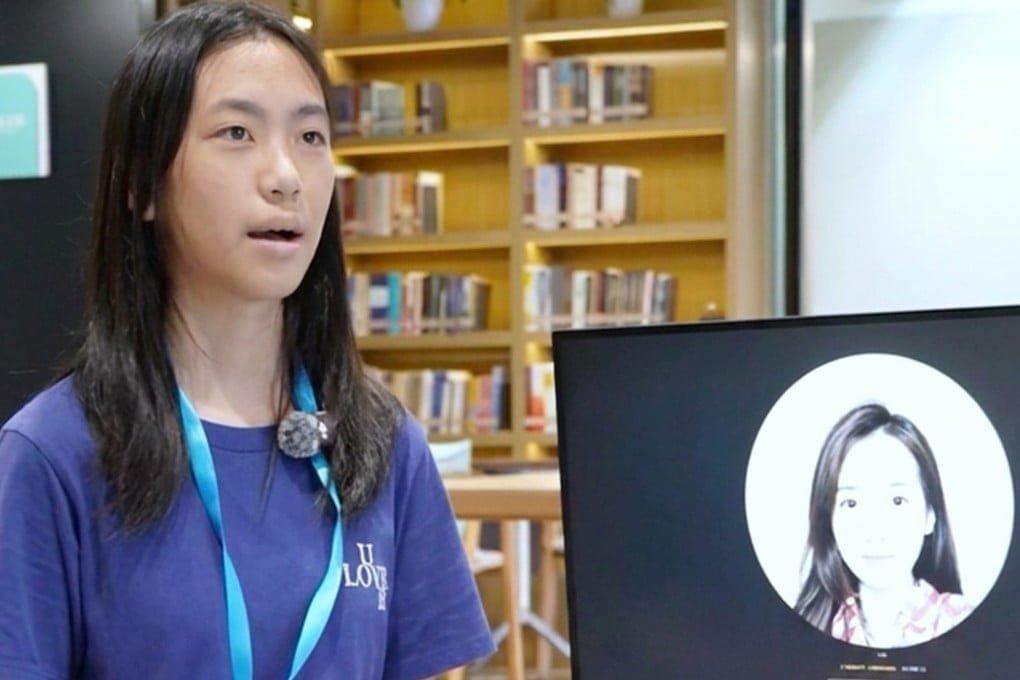
Zhu Shuhan’s story highlights how accessible AI coding tools and natural-language interfaces are lowering the barrier to building functional software. A motivated teenager with a clear problem to solve and basic prompting skills can now prototype and ship a usable product in days rather than months of traditional development. It also reflects China’s push to integrate AI into education and the growing number of youth-oriented AI competitions and marketing-focused events that emphasize real-world traction over pure technical polish.
At the same time, the result depended on more than the code: a sharp product-market fit for a common pain point (homework supervision and focus), effective family-supported promotion via short video and livestreaming, and a competition format that rewarded actual sales. Zhu has continued refining the app after the event, monitoring usage and gathering feedback.
This is a vivid illustration of AI’s democratizing effect on creation. Ideas and domain insight can matter as much as deep technical expertise when powerful models handle much of the implementation heavy lifting.