
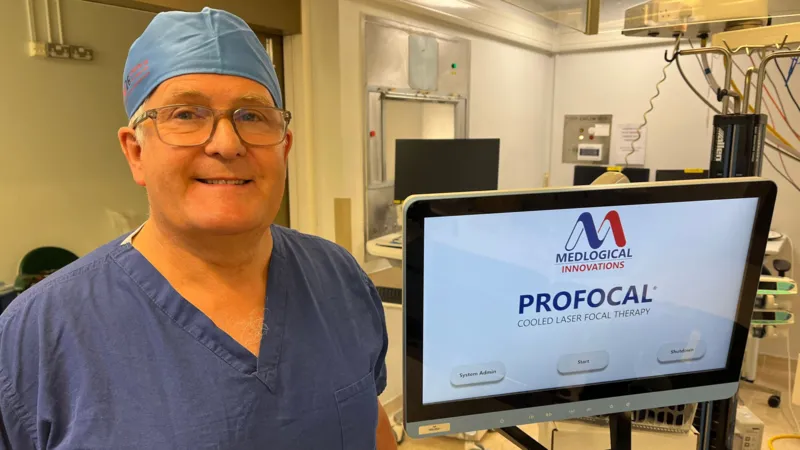
A groundbreaking laser treatment for prostate cancer is delivering encouraging early outcomes at a major London hospital, marking the first time this technology has been used within the NHS.
Guy’s Hospital in Southwark is running a pilot study of ProFocal laser therapy involving 30 men with localised prostate cancer. Among the first 10 patients treated, eight saw the cancer completely eliminated in the targeted area, while the remaining two had only a very small amount of disease left behind.
One participant, 77-year-old Alex McWhirter, a semi-retired travel journalist, called the approach a significant advance. “Compared with surgical removal of the prostate or radiotherapy, this really feels like a huge leap forward,” he said.
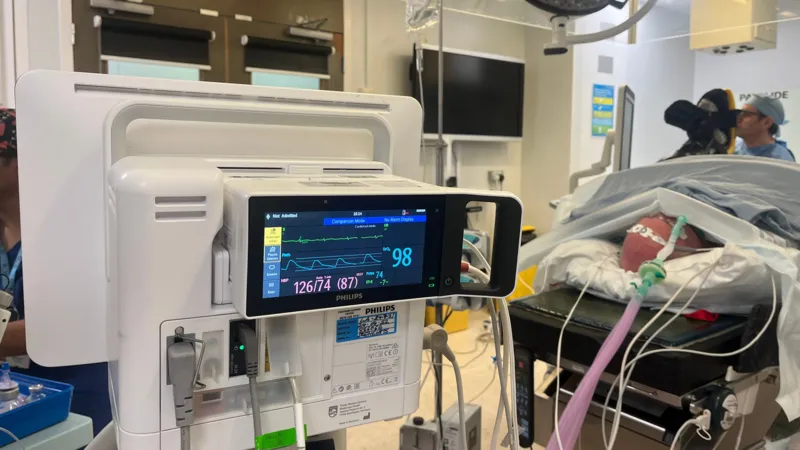
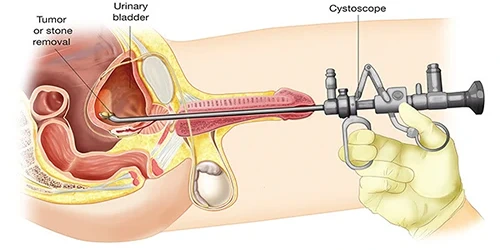
Unlike some other focal therapies, the ProFocal system can reach tumours in any part of the prostate, including harder-to-access regions. Rick Popert, senior consultant urological surgeon at Guy’s and St Thomas’ NHS Foundation Trust, explained that the treatment delivers laser energy directly into the tumour through a fine fibre housed inside a cooled metal rod. The rod is inserted via the perineum and precisely guided using a combination of MRI and ultrasound imaging.
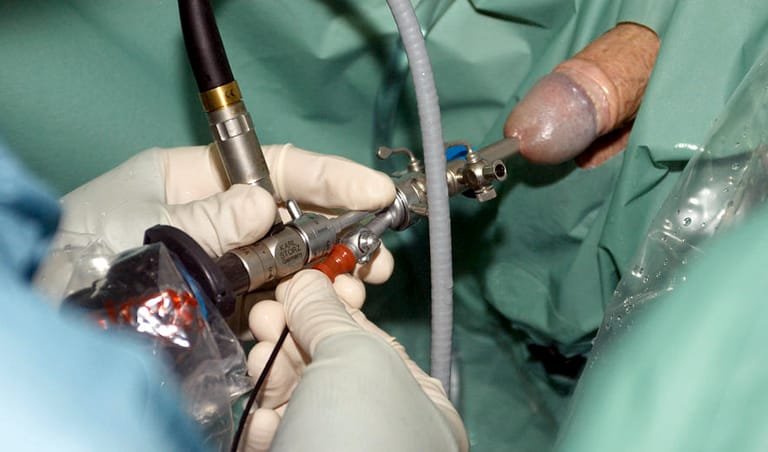
The one-hour procedure is performed under light general anaesthetic, allowing most patients to go home the same day. The hospital describes it as minimally invasive and designed to destroy cancerous tissue while sparing as much healthy prostate function as possible.
This pilot represents the first European hospital use of the technology. It follows earlier work in Australia involving more than 100 patients, which Guy’s is now replicating on a smaller scale. Popert first encountered the system in Australia over four years ago. After regulatory approvals and backing from Guy’s Cancer Charity, it was introduced in London. The equipment itself was funded by a £125,000 donation from the London Freemasons, channelled through the charity.
Patient Chris Bearfoot, 61, who was diagnosed with localised prostate cancer in January, described the option as “fantastic” before his treatment. He noted that the expected side effects appeared far milder than those associated with conventional surgery.
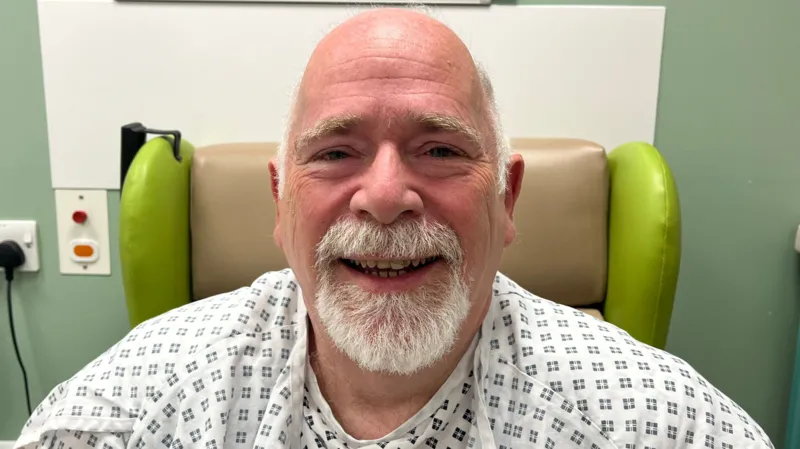
McWhirter, diagnosed in early 2025, reported a similarly straightforward experience: “The surgery was simple, I went home right afterwards and apart from minimal blood in my urine the night afterwards, I’ve had no side effects at all, and my scans so far are all clear.”
Popert said the team is “greatly encouraged” by the early findings, though longer-term data will be essential. Pilot patients will undergo regular follow-up, including an MRI at one year, to assess durability. The ultimate goal is wider availability across the UK once the system receives its UK Conformity Assessed mark.
Prostate Cancer Across Africa
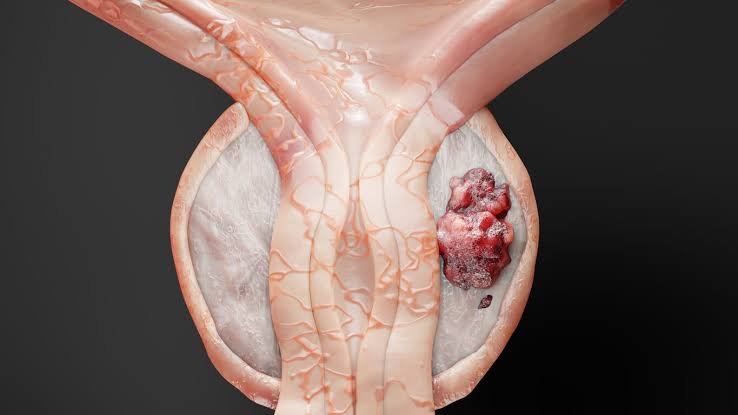
Prostate cancer remains a serious and rising threat to men’s health throughout Africa. It is the most frequently diagnosed cancer in men across much of sub-Saharan Africa and a leading cause of cancer deaths. Men of African ancestry often face both higher incidence and more aggressive forms of the disease. Current estimates suggest more than 100,000 new cases and over 55,000 deaths occur on the continent each year, with the heaviest burden in Southern, Central and Western Africa. These numbers are almost certainly undercounts because of limited cancer registries and underdiagnosis.
In contrast to high-income countries, where screening often detects disease early, a large proportion of African patients frequently 40–70 percent or more—are diagnosed only after the cancer has already advanced or spread. Low awareness, cultural factors, restricted access to care (especially in rural areas), shortages of specialists such as urologists and pathologists, and the near absence of organised screening programmes all contribute to late presentation.
Diagnosis usually depends on PSA blood testing (available in many centres), digital rectal examination and ultrasound-guided biopsy. More advanced tools such as MRI-guided biopsy or PET imaging are rarely accessible. As a result, diagnosis is often driven by symptoms rather than proactive screening.
Treatment options are constrained by late-stage disease and limited infrastructure. Curative surgery or definitive radiotherapy is available in only a minority of centres and suitable for relatively few patients. Many countries still lack sufficient radiotherapy capacity. Consequently, androgen-deprivation therapy—delivered either through medication or surgical removal of the testicles—remains the mainstay for most men. Orchiectomy is frequently chosen because it is more affordable and reliable where drug supply is inconsistent. Newer hormonal agents, chemotherapy and advanced therapies are often out of reach or prohibitively expensive.
Better outcomes will require increased public awareness, earlier detection (particularly for men over 40 or those with a family history), expanded diagnostic capacity, more radiotherapy and specialist services, and affordable access to effective treatments. When caught early, prostate cancer can shift from a deadly diagnosis to a manageable condition. Men are encouraged to discuss prostate health with their doctors.
What ProFocal Laser Treatment Technology Means for Prostate Cancer treatment in Africa.
The emergence of precise, minimally invasive focal therapies such as ProFocal laser treatment raises important questions about what the future could look like for African patients. Because the procedure targets only the tumour, takes about an hour, and allows same-day discharge with relatively low side effects, it offers a theoretically attractive alternative to radical surgery or radiotherapy in settings where those options are scarce or carry high morbidity.
If the technology eventually becomes more affordable and portable, and if training pathways for surgeons can be established, it could expand the pool of men eligible for potentially curative local treatment—particularly those diagnosed at an earlier stage.
However, realistic barriers remain substantial. The system relies on high-quality MRI and ultrasound guidance, specialised equipment, and experienced operators. In many African health systems these resources are limited or concentrated in a handful of urban centres.
The capital cost of the technology, ongoing maintenance, and the need for reliable electricity and sterile facilities further complicate rapid adoption. Most critically, the majority of African men still present with advanced disease that is no longer suitable for focal therapy of any kind. Without parallel progress in awareness, earlier detection, and basic diagnostic capacity, even the most promising new tools will reach only a small fraction of those who need them.
In the longer term, the ProFocal experience in the UK and Australia may help catalyse interest in adapted or lower-cost versions of laser and other focal technologies for resource-constrained environments. Combined with efforts to strengthen screening, pathology, and specialist training, such innovations could gradually shift the balance away from late-stage palliative care toward more effective local treatment for a greater number of men.
For now, the greatest immediate gains for Africa will still come from expanding access to existing affordable interventions and building the systems that allow new ones to be introduced safely and equitably when they become viable.