
Imagine climbing into bed and feeling that perfect, just-right coolness you get when you flip your pillow to the “cool side” except the entire surface of your mattress delivers it, and it never warms up under your body.
Now imagine that same surface quietly learning your sleep patterns, adjusting temperature through the night according to your body’s needs, and gently warming as morning approaches so you wake naturally instead of jolting out of a cold bed.
That is the promise of Orion’s AI-powered smart mattress pad, a $2,195 Queen water-circulating cover that has reviewers reluctantly admitting they love it even while questioning the price.
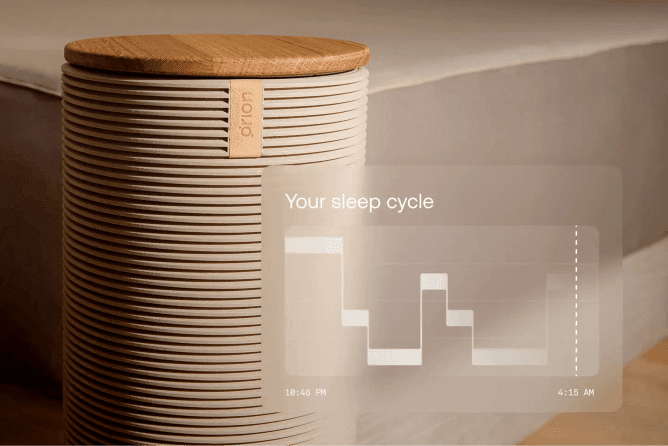
In a market dominated by Eight Sleep’s more expensive Pod systems, Orion Sleep has emerged as a compelling, slightly more accessible challenger. Launched by 26-year-old founder Harry Gestetner who previously sold his creator platform Fanfix for an estimated $65 million the product is born from personal struggle. After working nonstop and developing health issues including an inner-ear condition that left him incapacitated, Gestetner became obsessed with sleep as the foundation of longevity and well-being. He wanted technology that did more than track data; he wanted something that actively improved rest. The result is Orion: a dual-zone smart cover that sits over any standard mattress, under your sheets, and uses circulating water to heat or cool each side of the bed independently between 50°F and 115°F.

By default, the Orion will start cooling down around the time you go to bed, which you manually input. It will then get colder as you fall asleep, and then when it’s time for you to wake up, it slowly brings the mattress pad back to room temperature, making it easier for you to get out of bed.
How the Technology Actually Works
Orion is not a mattress. It is a thin, soft cover made with a breathable polyester-bamboo knit top surface that fits like a fitted sheet over Queen, King, or California King mattresses between 10 and 16 inches deep.
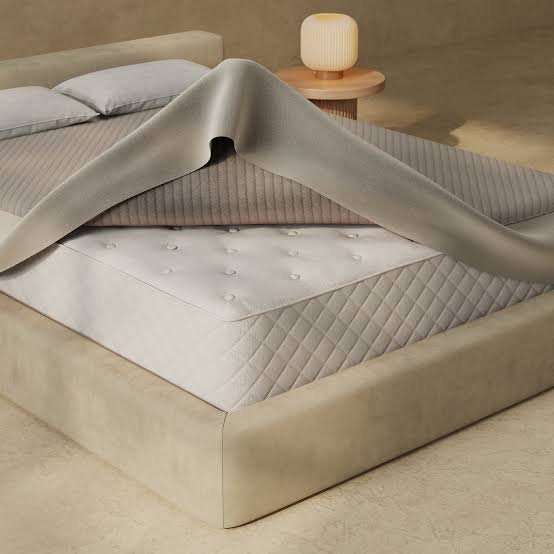
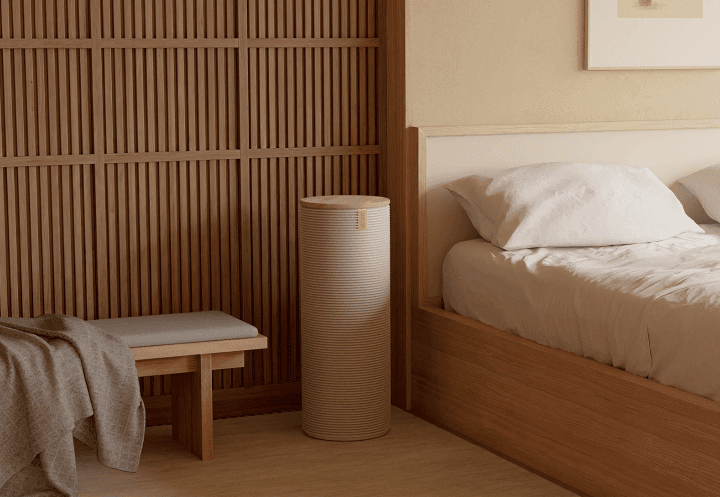
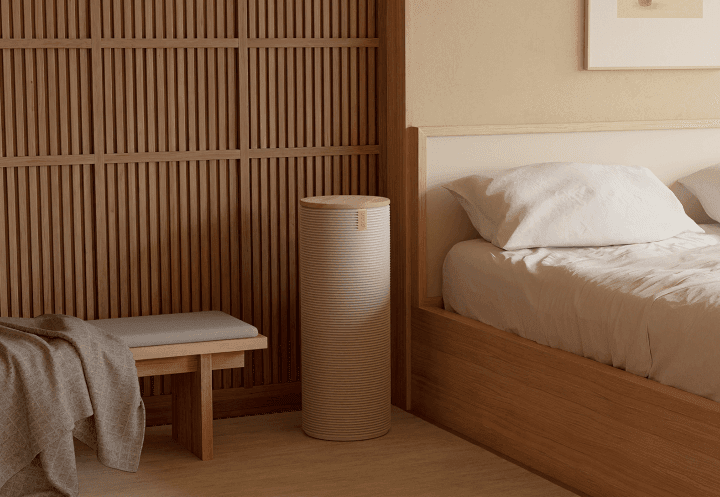
Tubing runs through the cover, connected to a sleek Control Tower that sits beside the bed and looks more like modern furniture than medical equipment. The tower fills with water topped up only once or twice a year and circulates temperature-controlled fluid to maintain the set climate on each side of the bed.
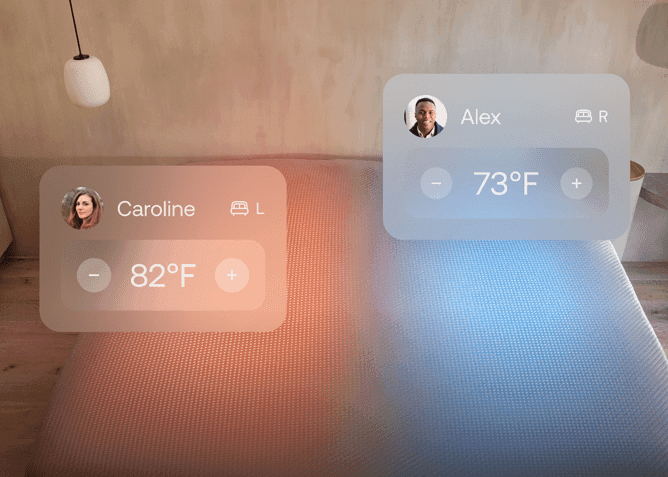
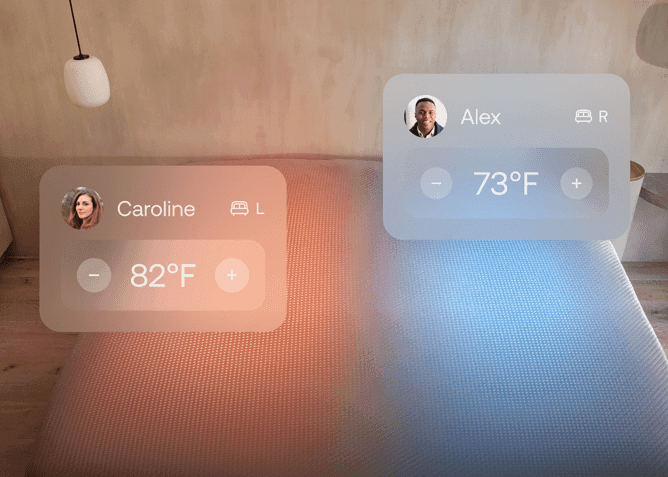
Setup takes about 10 to 30 minutes: stretch the cover over the mattress, connect the hoses, pour in water, download the app, and follow the guided process. Once running, the system is remarkably quiet. Users and reviewers consistently note that the pad transforms sleep for hot sleepers, night-sweat sufferers, and couples with conflicting temperature preferences. One side can stay cool at 73°F while the other sits at a warmer 82°F no more thermostat wars or kicking off the covers.
The AI component goes beyond basic scheduling. By default, the system begins cooling before your usual bedtime, holds or drops temperature as you fall into deeper sleep stages, and gradually warms toward morning so the transition out of bed feels natural. Embedded sensors track sleep stages, heart rate, breath rate, heart-rate variability (HRV), and movement without requiring a wearable.

Optional Orion Intelligence costs roughly $21–$250 per year depending on the plan unlocks deeper insights, personalized recommendations, and continuous refinement of the temperature schedule based on your actual sleep data.
Importantly, core temperature control and dual-zone functionality work without any subscription. An optional Sleep Disruption Test which is a one-night patch plus advisor consultation can map your core temperature and interruptions so the system arrives pre-programmed to your biology.
Gestetner emphasizes this personalization as a key differentiator: other devices often guess at ideal temperatures, while Orion starts from measured data.
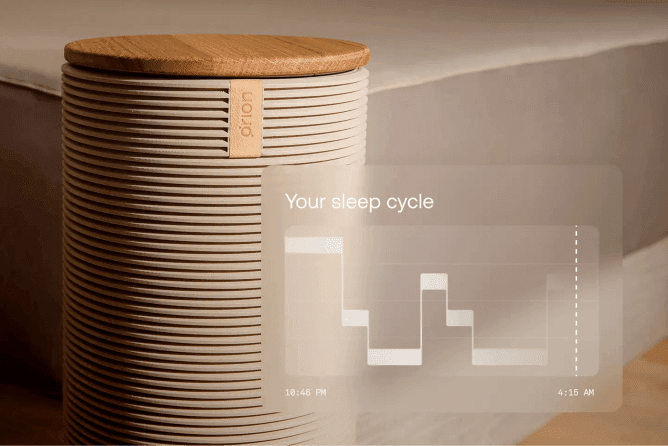
Independent testing and long-term user experiences paint a consistently positive picture of the cooling performance. One lab comparison recorded an 11.4°F surface temperature delta, outperforming some competitors in sustained active cooling.
Reviewers describe the sensation as transformative: the whole bed becomes the “cool side of the pillow.” Hot sleepers report dramatically fewer night sweats. Couples praise the dual-zone independence. Several note improved deep and REM sleep metrics when cross-checked against wearables like Oura.
TechCrunch’s Amanda Silberling, who approached the product skeptically, wrote that she ended up “so mad that I love” it after months of use. She slept better, woke less often, and found the system low-maintenance. The Strategist tester, after nearly three months, called it a more budget-friendly alternative to Eight Sleep that delivered comparable cooling with greater comfort in the cover itself. Customer testimonials on Orion’s site echo the same themes: “game changer,” “first perfect temperature for both of us,” “recovery is shockingly higher,” and “the best night’s sleep I’ve had all year.”
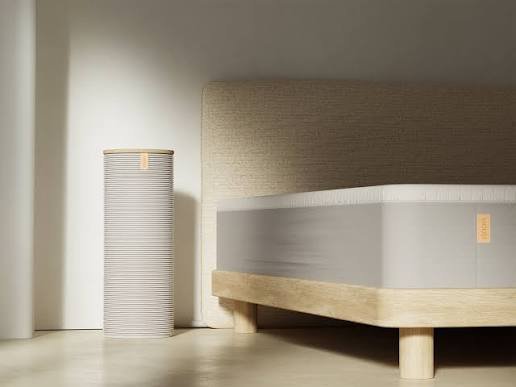
Maintenance is minimal and includes spot cleaning the cover, washing regular sheets as usual, and occasionally adding a purification tablet to the water reservoir.
The Control Tower draws power from a standard outlet and requires modest under-bed clearance. Orion offers a 30-night trial, free shipping, a two-year warranty (extendable), and HSA/FSA eligibility, which softens the financial commitment for some buyers.
Pricing, Value, and the Competition
Orion’s AI Bed is priced at approximately $2,195–$2,295 for a queen and $200 higher for King or California King.
Orion is undeniably a premium purchase. Financing options start around $64 per month with a down payment on approved credit.
Three-year total cost of ownership remains relatively favorable because there is no mandatory subscription, unlike Eight Sleep’s higher entry price plus annual fees that can push multi-year costs significantly higher.
Gestetner is transparent about the price barrier. He views the current model as the “Roadster” and has stated ambitions to eventually reach a $500 product accessible to far more households.
In the meantime, Orion undercuts Eight Sleep’s AI bed while delivering dual-zone hydro-cooling, wider temperature range of 50–115°F versus roughly 55–110°F on some competing models, wearable-free tracking, and no required ongoing fees for core functionality.
Other alternatives exist, such as ChiliPad systems, but Orion’s combination of aggressive cooling, dual zones, AI adaptation, and subscription-free base experience has carved a distinct position. The company has grown rapidly, reportedly reaching eight-figure revenue within months of launch, supported by venture funding and strong word-of-mouth among sleep-conscious consumers.
Like any connected health device, Orion transmits detailed sleep and biometric data. Gestetner says the company invests heavily in security, yet the inherent risk of cloud-processed intimate information remains a legitimate consideration for privacy-conscious users. The system also requires floor space for the Control Tower and works best on standard mattresses within the supported depth range.
Orion makes the most sense for people who already struggle with temperature regulation at night including hot sleepers, those with night sweats, couples with mismatched preferences, or anyone who has tried fans, cooling pillows, and mattress toppers without lasting success.
It is less essential for people who sleep comfortably year-round or who prioritize traditional mattress feel over active climate control. At this price point, it is a considered investment rather than an impulse buy, better suited to those who view better sleep as foundational to health, productivity, and long-term well-being.
Gestetner’s personal journey from burnout and vertigo to building a sleep company reflects a broader cultural shift. In an era of longevity interest, quantified self-tracking, and relentless productivity culture, high-quality sleep is increasingly recognized as non-negotiable. Orion does not claim to cure insomnia or replace good sleep hygiene. Instead, it removes one of the most common physical barriers which includes uncomfortable temperature and layers intelligent adjustment on top.
Whether the AI features justify every dollar of the premium remains open to debate; some users may find the scheduled cooling alone transformative. What is clear from reviews is that the core experience: consistent, personalized thermal comfort across an entire night, delivers measurable improvements in rest for many people. For those who can afford it and whose sleep is currently compromised by heat or temperature mismatch, Orion’s $2,195 AI mattress pad offers a compelling, if still exclusive, path to waking up more restored.