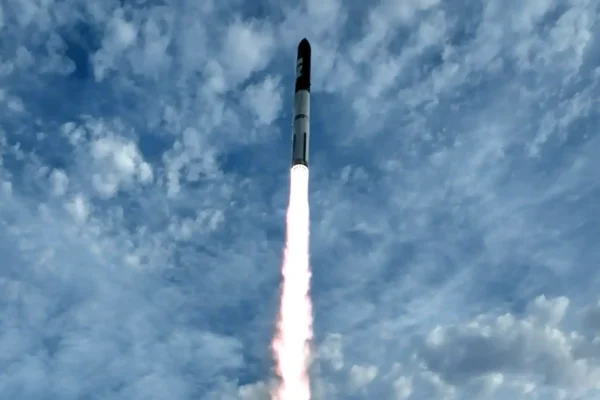
SpaceX’s Starship has reached orbit for the first time, marking its biggest flight achievement since full-scale testing began in 2023.
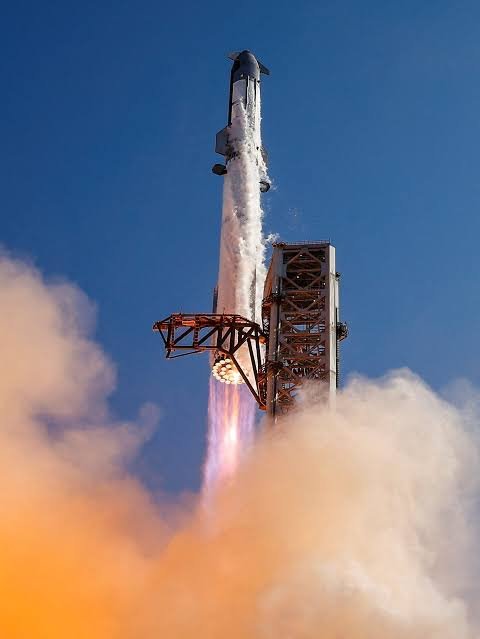
The uncrewed rocket launched on September 28, 2026, from SpaceX’s Starbase facility in South Texas.
Standing about 407 feet (124 meters) tall, the complete Starship system consists of the Super Heavy booster and the Starship upper stage. This was Starship’s 14th full-scale test flight. The previous 13 flights followed suborbital trajectories and did not complete a full orbit around Earth.
The mission delivered two major firsts: achieving a sustained low-Earth orbit and successfully deploying an operational payload from orbit.
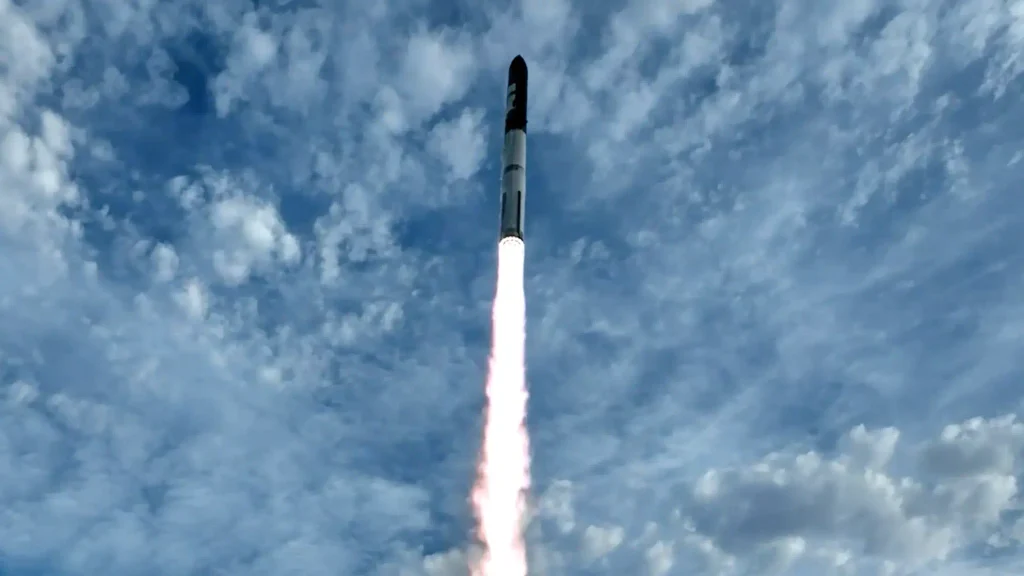
The flight was not completely smooth. During ascent, one of Starship’s upper-stage Raptor engines shut down earlier than planned. SpaceX’s live commentary initially suggested the vehicle might not proceed with the orbital insertion burn.
Engineers quickly assessed the health of the remaining engines and determined the ship could continue. Starship then performed its orbital insertion burn using a single Raptor engine and successfully entered orbit at an altitude of roughly 262–275 kilometers (163–171 miles).
Once in orbit, Starship opened its payload bay and deployed 26 next-generation Starlink V3 satellites. The deployment sequence took approximately 30 minutes.
SpaceX later confirmed contact with all 26 satellites through a combination of laser links, ground stations, and user terminals. This marked Starship’s first orbital payload deployment and the first time operational Starlink V3 satellites reached a stable orbit via the vehicle.
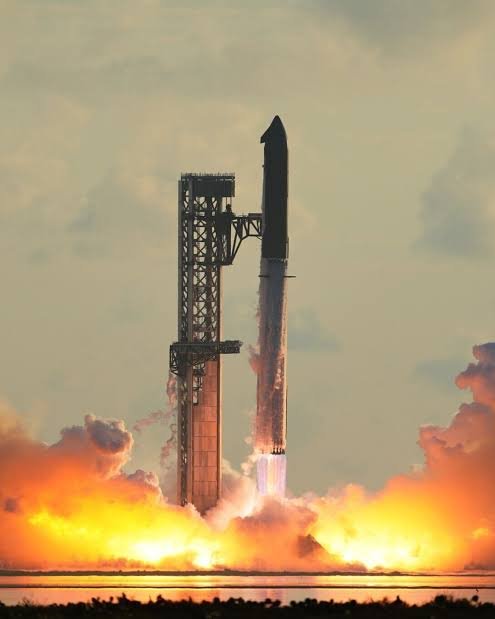
The original mission plan called for a roughly 10-hour flight that would have included about six orbits around Earth before a controlled deorbit and splashdown. After the engine anomaly, flight controllers shortened the mission as a precaution.
Starship completed roughly three hours in space before performing its deorbit burn, reentering the atmosphere, and splashing down in the Pacific Ocean north of Hawaii. Residual propellant ignited on impact, producing the expected post-splashdown fireball.
Meanwhile, the Super Heavy booster completed a controlled return and splashdown in the Gulf of Mexico. Neither the booster nor the Starship upper stage was scheduled for recovery or catch on this flight; the focus remained on reaching orbit and deploying the satellites safely.
Starship is the largest and most powerful rocket ever flown. SpaceX is developing it to launch large volumes of satellites at lower cost, support NASA’s Artemis program as a lunar lander, and eventually enable human missions to Mars.
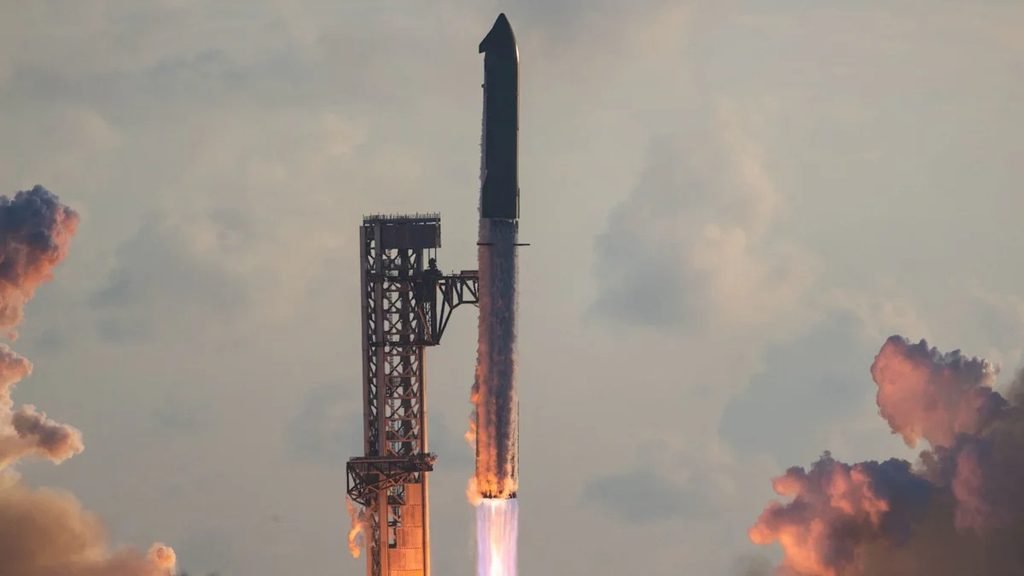
Reaching orbit on Flight 14 represents a critical step beyond the long series of suborbital tests that refined the vehicle’s engines, heat shield, staging, and flight software.
The successful deployment of Starlink V3 satellites is especially significant. These next-generation satellites offer substantially higher capacity than earlier versions designed to expand network throughput and user speeds. A single Starship flight can carry far more satellites than Falcon 9, potentially accelerating the growth of the Starlink constellation.
For NASA, the milestone reduces risk for the Artemis Human Landing System variant of Starship, which is intended to return astronauts to the lunar surface. Demonstrating reliable orbital insertion, payload deployment, and controlled reentry builds confidence in the architecture needed for deep-space missions.
While the early engine shutdown and shortened mission highlight that Starship is still in active development, the overall success of Flight 14 shows clear progress. SpaceX has steadily improved vehicle performance across the flight test campaign. Future flights are expected to push toward rapid reusability, tower catches of the booster and ship, higher flight rates, and more ambitious payload and trajectory demonstrations.
From its first integrated flight tests in 2023 to this first orbital success in 2026, Starship has moved from experimental prototype to a vehicle capable of reaching orbit and delivering operational satellites. The September 28 flight marks a genuine turning point in the program’s development.
SpaceX’s Starship is now an orbital vehicle. The path to routine operations, lunar landings, and beyond continues.