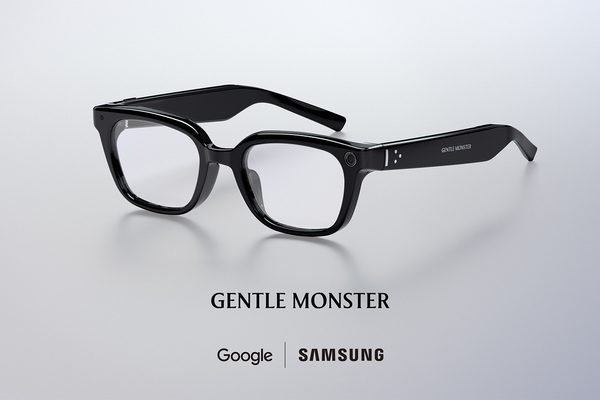
Samsung is set to launch its first SuperLight AI Smart Glasses Officially known as Galaxy Glasses next month November 2026.
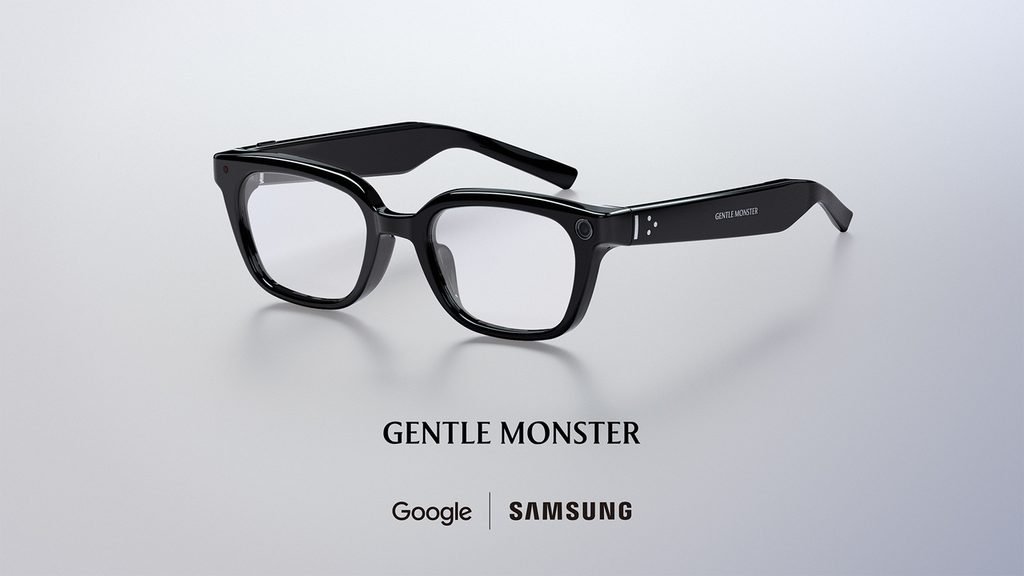
These Intelligent Eyewear, camera-equipped AI glasses aim to challenge Meta’s dominant Ray-Ban Meta lineup with a focus on extreme lightness, stylish designs from fashion partners, Google Gemini AI integration, and seamless Galaxy ecosystem ties.
A Samsung official confirmed the November launch window to The Korea Herald in early October, narrowing the company’s earlier “fall 2026 in select markets” guidance from Google I/O in May and Galaxy Unpacked in July.
Recent leaks and FCC certifications of models including SM-O200J and SM-O200P variants further support an imminent release.
Sales are expected to begin in the US and South Korea, available through Gentle Monster and Warby Parker websites/stores plus Samsung Experience Stores in the US. Pricing remains unannounced, though rumors place it in the $349–$499 range in the US.
Features of Galaxy AI Glasses
Superlight Design: Comfort as a Core Advantage
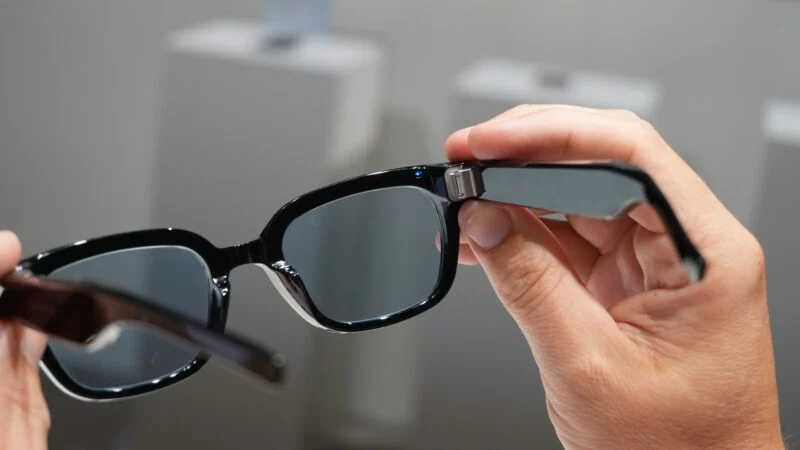
Samsung has emphasized that the glasses are “lighter than most AI glasses.” The latest exclusive reports put the weight at approximately 41 grams with standard lenses noticeably lighter than Meta’s Ray-Ban Meta models which weighs around 51–51.5g for camera versions and 43g for the lighter audio-only variant. Prescription lenses add only a small amount of extra weight.
This ultra-light build, combined with an IPX4 rating for splash and sweat resistance positions the glasses for all-day wearability. Battery life is rated at up to 9 hours of mixed use, extendable to roughly 72 hours with the included charging case that provides up to seven additional full charges.
Style Meets Tech: Partnerships with Gentle Monster and Warby Parker
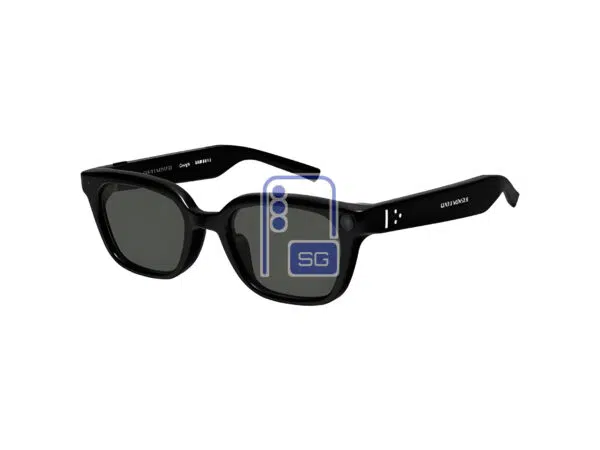
Unlike tech-first designs, Samsung collaborated with established eyewear brands for fashion-forward frames that look like regular glasses.
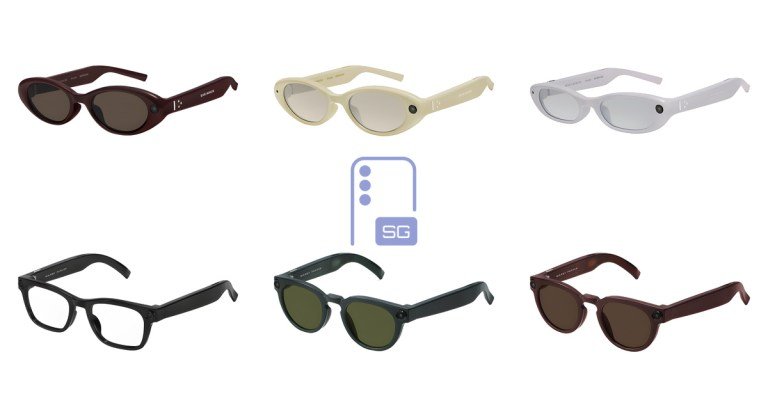
- Gentle Monster: Six frame shapes including squared, rounder, bold square, cat-eye, slim oval, and regular oval across about 16 variants. Colors include black, burgundy, cream, light gray, and pale lilac, with various lens options such as clear, light blue, gray, brown, etc.
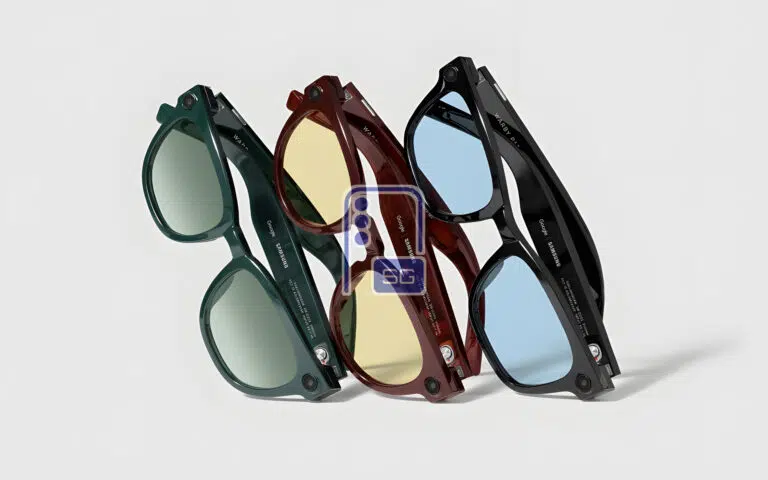
- Warby Parker: Three styles (Alden, Reid, and Wren) in colors such as jet black, pine/dark green, and reddish-brown “Saddle.”
In total, reports point to around 26 frame/color/lens combinations. Gentle Monster models are expected in both South Korea and the US; Warby Parker versions initially in the US only.
Key Specifications
Weight: About 41g with standard lenses
Chip: Snapdragon AR1 Gen 1
RAM and storage: 2 GB and 64 GB
Camera: 12 MP, 3K video at 30 fps
Audio: Two open-ear speakers and four microphones
Battery: Up to 9 hours, or up to 72 hours with the charging case
Water resistance: IPX4 (the case isn’t rated)
AI Features Powered by Gemini and Android XR
These are not traditional AR glasses with a heads-up display. Instead, they follow the camera + audio formula popularized by Meta:
- A 12MP camera capable of 3K video at 30 fps.
- Four microphones and two open-ear speakers for natural conversation and situational awareness.
- Qualcomm Snapdragon AR1 Gen 1 processor, 2GB RAM, and 64GB storage.
- Connectivity including Bluetooth 5.3, Wi-Fi 6E, and even Wi-Fi 7.
Google’s Gemini AI processes visual and audio input often via a connected Galaxy phone for heavier computation. Users can ask questions about what they’re looking at, get live translation, receive navigation help, summarize messages, take notes from meetings or whiteboards, capture photos/videos hands-free, manage calls, and more, all through voice or touch controls on the temple. Responses come via the speakers so the wearer stays aware of their surroundings.
Deeper Galaxy ecosystem integration is expected: compatibility with Galaxy S, Z Fold, and Z Flip phones running One UI 9 or later for full features, plus potential gesture controls via a compatible Galaxy Watch (Wear OS 7+). Hand gestures through the Watch and even Galaxy Ring support all integrated into Samsung Galaxies AI Glasses.
Privacy Safeguards
Samsung has prioritized privacy amid broader concerns about camera-equipped glasses:
- Dual LED indicators external for bystanders and internal for the wearer light up when the camera is active.
- “Thwart detection” automatically disables the camera if the external LED is covered or blocked.
- Wear detection turns off recording when the glasses are removed.
- Data from audio, video, and screen-sharing is not used to train AI models, according to Samsung.
These measures mirror and in some cases expand on Meta’s approach, though bystander consent remains an industry-wide challenge that regulators in places like South Korea have already scrutinized.
Market Context and What’s Next
Meta currently holds a commanding share of the camera-equipped, display-less smart glasses market. Samsung’s entry backed by Google’s Android XR platform, Gemini AI, stylish partnerships, and a genuine lightness advantage, positions it as a strong challenger, especially for existing Galaxy users.
Apple’s AI glasses are still expected later (reports point to next year or beyond), while other players like XREAL are also active in related categories.
Exact launch day, final pricing, full availability, and confirmed software features will likely come in an official announcement closer to or during November. Until then, the combination of recent confirmation from a Samsung official, FCC clearances, detailed frame leaks, and consistent reporting makes a November 2026 debut highly probable.
Samsung’s Intelligent Eyewear represents a significant step in making AI companions more wearable and socially acceptable. If the final product delivers on the promised comfort, battery life, AI usefulness, and style, it could meaningfully expand the smart glasses category beyond early adopters.