
The Strait of Hormuz is one of the world’s most strategically important waterways, carrying a significant share of global oil and gas shipments. Any threat to shipping in this narrow passage can have far-reaching economic and security consequences.
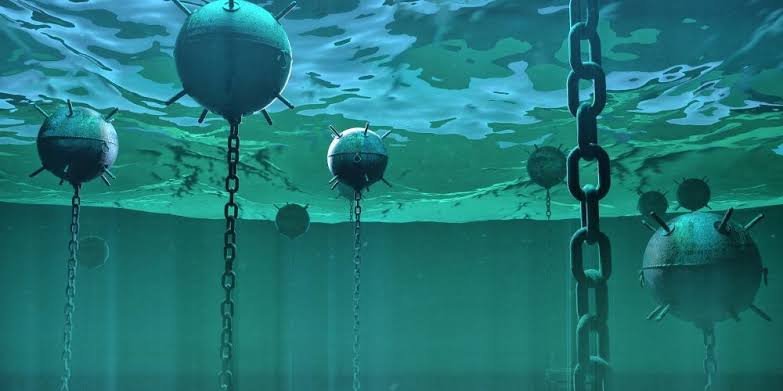
One of the biggest challenges is the potential use of underwater naval mines. Traditionally, clearing these mines has required crewed minesweepers and divers to operate in hazardous conditions. Today, autonomous underwater vehicles (AUVs) and unmanned surface vessels (USVs) are transforming that mission.
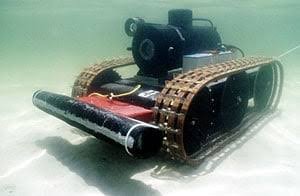
Equipped with advanced sonar, artificial intelligence, and high-resolution mapping systems, these robotic platforms can detect, classify, and help neutralize underwater mines while keeping sailors at a safer distance. They can operate for extended periods, survey large areas efficiently, and work together as coordinated fleets to speed up mine-hunting operations.
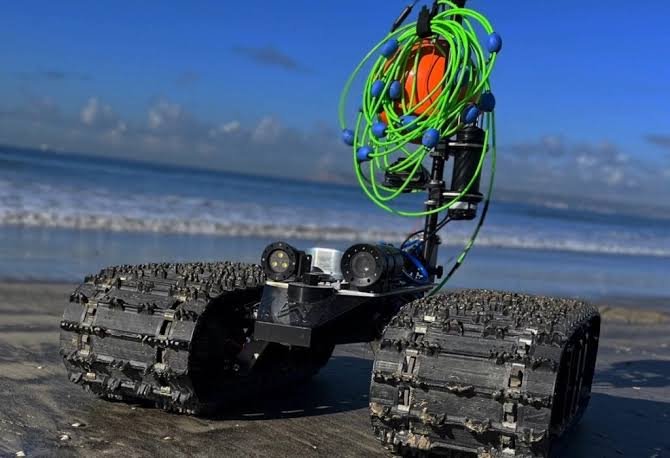
Although human operators still play a critical role in supervising missions and authorizing mine disposal, the growing use of autonomous systems marks a major shift in naval mine countermeasures. Defense analysts believe these technologies will become increasingly important in maintaining freedom of navigation through strategic chokepoints such as the Strait of Hormuz.
As autonomous robotics continue to advance, they are set to redefine underwater mine clearance making operations safer, faster, and more effective in some of the world’s most challenging maritime environments.
SUBSCRIBE TO SEEDUFY TECH NEWSLETTER
[sureforms id=’2360′]