
Today the world is witnessing a global technology revolution with old unsustainable and outdated Technologies being replaced by new Modern Technologies that are more efficient, sustainable and climate friendly.
Key Takeaways
• Electric Vehicle’s set to overtake Petrol Cars by 2028
• How will this change Impact on African Economy who has long depended on Oil Revenues?
• What are the opportunities that lie Electric Vehicles for Africa to embrace?
• Are there potential negative sides to EV’s Africa should look out for?
For several decades, petrol engines have defined daily travel, but that era is beginning to shift. Electric vehicles (EVs) are rapidly gaining ground, and projections suggesting EVs could surpass petrol cars in new vehicle sales across major markets by around 2028 however where those this industry shift place Africa a continent largely dependent on Petrol and Crude Oil revenues.
China is a leader in the production and sales of Electric Vehicles. As of early 2026, Chinese manufacturer BYD is the world’s highest producer of electric vehicles (including battery-electric and plug-in hybrids), having officially surpassed Tesla in total volume and market share. BYD holds a significant lead, selling approximately 2.26 million vehicles in 2025 compared to Tesla’s roughly 1.64 million.
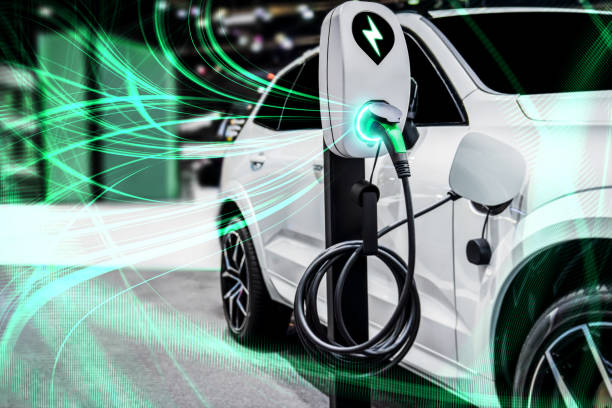
Today, the rapid switch to Electric Vehicles is championed by advancements in Lithium a core element in the Production of Electric Cars and Burgeoning wide spread Government Adoption of Electric Cars as a reliable, renewable, and climate friendly means of transportation.
Countries like Norway today, have set into place a decree banning the production/Importation of Petrol Cars, and ushering a switch into Electric Vehicles.
This doesn’t mean petrol cars will vanish immediately, but it signals a major turning point in consumer preference. Falling battery costs, stricter emissions rules, and fast technological progress are driving EV adoption, while rising fuel prices and environmental concerns are making petrol vehicles less appealing.
What will happen to the Global Economy and Transportation if the Whole World switches to Electric Vehicles?
A total and complete global switch from Petrol cars to Electic Cars needs to be carefully could bring about a lot of positive benefits and negative benefits if rashly deployed especially in sensitive regions of the Planet like Africa.
Electric Vehicle’s have come bearing many gifts of renewability and sustainability but questions continue to Linger on Energy costs of running electric, Durability and the Ability of Electric Vehicles to adapt to Local regions and parts of the world.
A complete switch to Electric Vehicles is sure to increase Global Electricity Power demands in huge numbers. This increase in Power, could bring about power outages, grid failures, crippled businesses, livelihoods and the ultimate fear of an Economy, solely dependant on Electricity.
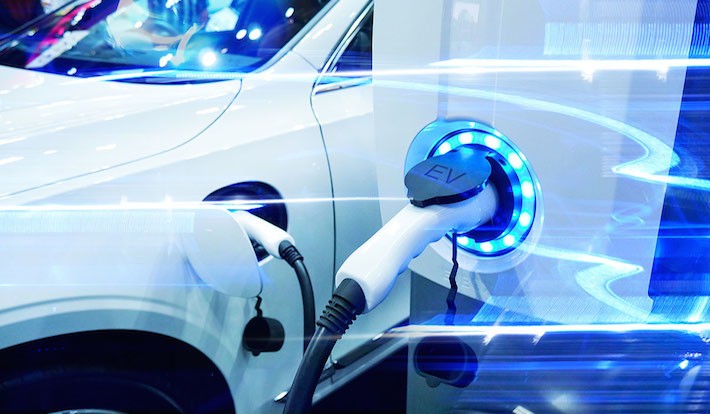
Picture Showing an Electric Vehicle Refueling with Electricity- iStockphoto
Today, there is increasing demand for Energy from AI Data Centres that require heavy energy for heating and cooling of AI Data Systems. This increase in energy demand for AI Data Centres has led Big Tech Companies such as, Alphabet (Google) to turn to alternative power generation sources such as Wind Power and Solar Power.
If this increase in Energy demand surges higher, more Electricity will be needed to Power Electric Cars thereby causing a hike in power rates which is sure to affect Africa a continent that has always fallen short in energy and power generation for household and community needs.
What will be the Impact of Electric Vehicles on Africa?
The African continent will greatly benefit from the introduction of Modern Ev cars in the continent in recent years. Electric cars are starting to grow in number in different parts of Nigeria particularly Lagos, Abuja, Portharcourt and several other states in Nigeria. Their unique ability to save PMS petrol costs makes them exceptional. Presently, an electric car on full charge of just 3 hours (in charging time) can convey via road travel from Abuja F.C.T to Benue State Nigeria, a 270KM journey which normally will cost over ₦60,000 in Petrol cost.
Electric Vehicle’s, if well experimentally deployed in Africa, with more preference for home grown designed and Produced Electric Vehicles, can reap profit of over $5 Billion Dollars in IGR for African countries cumulatively, while creating Millions of Jobs for Africa’s unemployed Youths and Populace.
Furthermore, EV’s emmit little to zero harmful toxic chemicals to the outer environment, in their operations, making them a good Sustainable option, to combat Green House Gas effect (GHG), Climate change, and sustainable biodiversity.
Are there any Challenges that Might come with Electric Vehicle Deployment in Africa?
Very much Yes! There a few potential hiccups Electric Vehicles might face when fully deployed in Africa.
Some of these problems include:
1. Availability of Electric Vehicle Engineers and Mechanics
2. Readily Availability of spare parts
3. Availability Commercial Charging Centres
4. Adaptability to rough interior Local terrains in Africa
1. Availability of Electric Vehicle Engineers and Mechanics:
Africa might face struggle in recruiting mass EV Engineers and Mechanics needed to setup Electric car manufacturing plants and setup maintenance offices rapidly in different parts of the continent.
2. Readily Availability of spare parts:
The timely availability of Electric Vehicle spare parts will determine its survival in Africa due to bad roads predominant in the African continent which leads to frequent vehicle repairs.
3. Avaliability of Commercial Charging Centres:
Electric Vehicle’s are built differently from Petrol cars. In EV’s, charging is of two types 1. Personal Charging or 2.Commercial Charging. The difference between the two types of EV charging lies in the time and speed to fully charge your Electric Car.
Presently, the Benue State Government has deployed Electric Vehicles Electric Motorcycles In Benue State, for Commercial Transportation service, thereby, reducing the strain on Petrol and gas. However, commercial motorcycllists in Benue State, are massively complaining about delays witnessed in their Electric Motorcycles charging which takes longer time leaving them with reduced work time compared to their Petrol Motorcycle rivals.
This shows that Electric Vehicles still have a long way to go inorder to be fully deployed in Nigeria.
4. Adaptability to rough interior Local terrains in Africa
The adaptability of Electric Vehicles to the rough interior parts of Africa will be a huge determinant in EV’s use in Africa. This comes as Electric Vehicles are not to be subjected to water. A measure of which an electric vehicle half immersed in water, could damage the central electric box and lead to total vehicle damage.
This means that Electric Vehicles will struggle in sensitive parts of Africa with bad road networks making EV’s a doubt for Agricultural use in Africa.
What Must Africa Do to Pioneer Itself for the Coming of Electric Cars
Africa must fully deployed Targeted resources, in the development of renewable power generation sources such as Solar Power, and Wind Power energy systems. Large Solar Farms should be installed in States and Cities in Africa to Boost Energy outputs. By increasing energy generation, Africa can fully harness the benefits of AI and Electric Vehicles.
Furthermore, Africa Must quickly setup it’s own Indigenous Electric Car Manufacturing Factories in different parts of the continent while training and deploying home talents in the production and maintenance of Electric Vehicles.
If these measures are fully deployed, Africa will be well positioned to fully participate in the global Electric Vehicle Industry. Thereby, increasing generated revenue in large folds and creating thousands of new job opportunities for Africa youths.






Leave a Reply