Kenya has partnered with Google in a move aimed at integrating artificial intelligence into tourism marketing and destination management as the government seeks to boost visitor arrivals and improve the sector’s competitiveness.
The Ministry of Tourism and Wildlife announced the partnership last week Friday through its Magical Kenya platform, saying the initiative is intended to position the country as a leading technology-driven tourism destination in Africa.

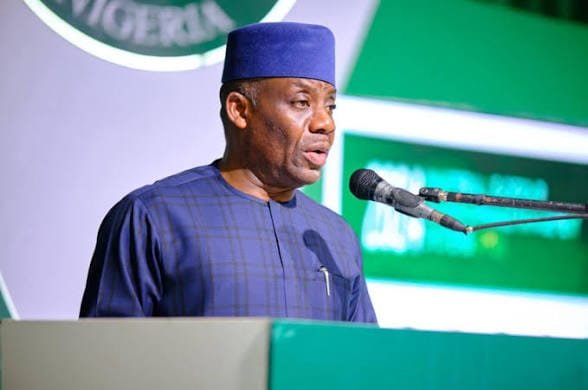
Tourism and Wildlife Cabinet Secretary Rebecca Miano in a Picture with Google Sub-Saharan Africa Managing Director Alex Okosi during the partnership announcement – COURTESY PHOTO
Under the strategy, artificial intelligence tools will be integrated into the Magical Kenya platform to directly connect travellers with destinations, experiences and attractions tailored to their interests.
Tourism and Wildlife Cabinet Secretary Rebecca Miano said the collaboration follows recommendations made by the Kenya Tourism Rebranding and Repositioning Taskforce and is expected to support efforts to grow tourism revenues and create jobs.
Kenya’s tourism marketing struggles with a limited budget, a heavy reliance on traditional safari and beach products, and intense regional competition. Campaigns often fail to capture emerging niche markets, struggle to differentiate from other African destinations, and remain vulnerable to negative international travel advisories and localized security concerns.
According to the ministry, the partnership will leverage artificial intelligence and machine learning technologies to market Kenya to travellers in key international markets and provide data-driven insights for decision-making.
“Adopting an AI-first approach allows us to move beyond traditional marketing and build a sophisticated digital infrastructure. This will position Kenya as Africa’s leading digitally enabled tourism destination, helping us to double international arrivals and increase revenue for national prosperity,” said CS Miano.
As part of the initiative, the ministry and Google will jointly develop a Tourism Pulse Data Hub on Google Cloud. The platform will use data from Google Search trends and online sentiment analysis to provide real-time information on tourism demand and market trends.
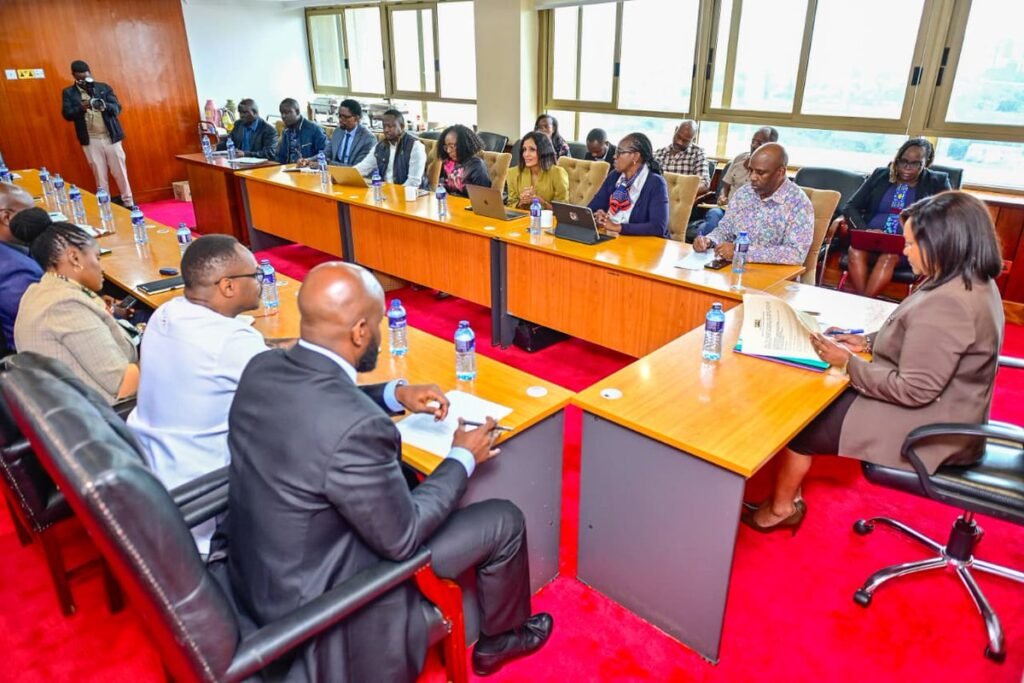
Tourism and Wildlife Cabinet Secretary Rebecca Miano in a group Picture with Google Sub-Saharan Africa Managing Director Alex Okosi and Kenya’s Tourism Executives during the partnership announcement – PHOTO CREDIT: COURTESY
Officials say the data hub is expected to help policymakers monitor shifts in traveller interests and respond more quickly to changes in global tourism patterns.
The partnership will also introduce an AI-powered trip planning tool based on Google’s Gemini models. The tool is expected to generate personalised travel itineraries tailored to visitors’ interests and preferences.
In addition, Google will support digital skills training programmes targeting young people and small tourism businesses.
The ministry said local content creators and tourism curators will be trained to develop tourism experiences using Kenya’s digital assets available through Google Arts & Culture, with the aim of creating new employment opportunities within the sector.
To enhance Kenya’s visibility in international markets, the partnership will also utilise Google Analytics and Google Ads to support targeted tourism marketing campaigns.
Speaking on the collaboration, Google Sub-Saharan Africa Managing Director Alex Okosi said the initiative would help strengthen digital skills and provide tourism stakeholders with better market intelligence.
”We are excited to see how the power of AI and our digital skilling initiatives can empower Kenyan youth and tourism SMEs. By supporting ecosystem innovators to train local curators and provide advanced market intelligence, we are helping to create a more resilient and inclusive tourism economy that showcases the very best of Kenya to the world,” said Okosi.
The ministry said the partnership is part of broader efforts to modernise Kenya’s tourism infrastructure and strengthen the country’s position as a preferred destination for international travellers.
Challenges Facing Tourism Marketing and Management in Kenya
Kenyan Tourism Marketing and Management Industry is faced with a warehouse of challenges that incapacitates tourism in the country. Some of the Challenges Include:
–Over-reliance on Mass Tourism: There is a persistent debate over whether to chase mass tourism arrivals or high-value travelers. Relying heavily on budget-friendly mass tourism risks cheapening the brand, while high-end tourists (who spend significantly more) are sometimes underserved by marketing campaigns.
-Narrow Product Positioning: Marketing heavily fixates on the Big Five safari and coastal beaches. There is a lack of promotion for Kenya’s rich cultural heritage, sports, birding, and religious tourism, which limits the overall scope of travel information and destination appeal.
-Inadequate Marketing Budgets: The Kenya Tourism Board (KTB) faces criticism for underfunding overseas marketing compared to competitor destinations like South Africa, Egypt, and Thailand. This lack of financial backing hinders the ability to launch strong international advertising campaigns.
-Negative Perceptions and Travel Advisories: The destination remains vulnerable to negative travel warnings regarding security and political instability, which drastically impacts international arrival numbers and requires reactive, costly PR measures.
-Intense Regional Competition: Countries like Tanzania and Egypt have aggressively expanded their tourism offerings, siphoning market share from Kenya due to perceived better product development and active promotion.
Areas for Google’s AI Deployment through Gemini in Tourism Marketing and Management in Kenya
Kenya’s partnership with Google’s Artificial Intelligence (AI) will transform tourism marketing by enabling hyper-personalization, automated customer service, and predictive data analysis. Google’s Gemini Model’s will allow destination marketers and travel brands to engage audiences more effectively and optimize campaigns in real-time thereby, improving productivity, efficiency and revenue generation by wide margins.

Tourism and Wildlife Cabinet Secretary Rebecca Miano in a group Picture with Google Sub-Saharan Africa Managing Director Alex Okosi and Kenya’s Tourism Executives during the partnership announcement – COURTESY PHOTO
Primary areas for Google’s AI Application in Tourism Marketing include:
-Hyper-Personalization & Recommendations: Gemini’s AI algorithms analyze user behavior, past bookings, and preferences to deliver tailored travel recommendations, dynamic landing pages, and customized itinerary suggestions.
-Conversational AI & Chatbots: Gemini’s AI-driven virtual assistants handle customer inquiries, offer 24/7 support, overcome language barriers, and assist with booking processes across websites and messaging apps.
Sentiment Analysis: AI tools monitor real-time reviews, social media mentions, and surveys across platforms to gauge traveler sentiment, protect brand reputation, and identify areas for improvement.
-Predictive Analytics: By analyzing massive volumes of data, Google’s Gemini AI models will be able to predict travel trends, seasonal spikes, and visitor interests, allowing marketers to launch targeted campaigns at the right time.
Dynamic Pricing: Google’s Gemini AI model will evaluate supply and demand, competitor rates, and market dynamics to optimize pricing strategies for flights, hotels, and tours in real-time, maximizing revenue.
Content Generation: Google’s Gemini Generative AI tool deploys large language models and image generators which can used to create engaging Tourism blog posts, social media content, promotional copy, and visual assets efficiently. The Kenyan Ministry has said that local content creators and tourism curators will be trained to develop tourism experiences using Kenya’s digital assets available through Google Arts & Culture, with the aim of creating new employment opportunities within the sector.
SUBSCRIBE TO SEEDUFYTECH NEWSLETTER
[sureforms id=’2360′]