
Electric mobility firm Kibo Africa has announced plans to deploy 10,000 electric motorcycles in Kenya over the next 12 months.
The rollout is backed by a localized battery-swapping network developed in partnership with energy firm Powerhive and features an ambitious goal of deploying 10,000 electric bikes on Kenyan roads in the next 12 months, with 30,000 slated over three years
The initiative is part of a partnership with energy company Powerhive aimed at expanding battery-swapping infrastructure for riders.
The Kibo Spark launch is designed to transform the Kenyan commercial and delivery mobility sector by providing riders with reliable, rugged, and cost-effective alternatives to internal combustion engines.
The plan was unveiled on Thursday during the launch of the Kibo Spark electric motorcycle in Nairobi, where the two firms also formalised a memorandum of understanding to collaborate on electric mobility solutions.
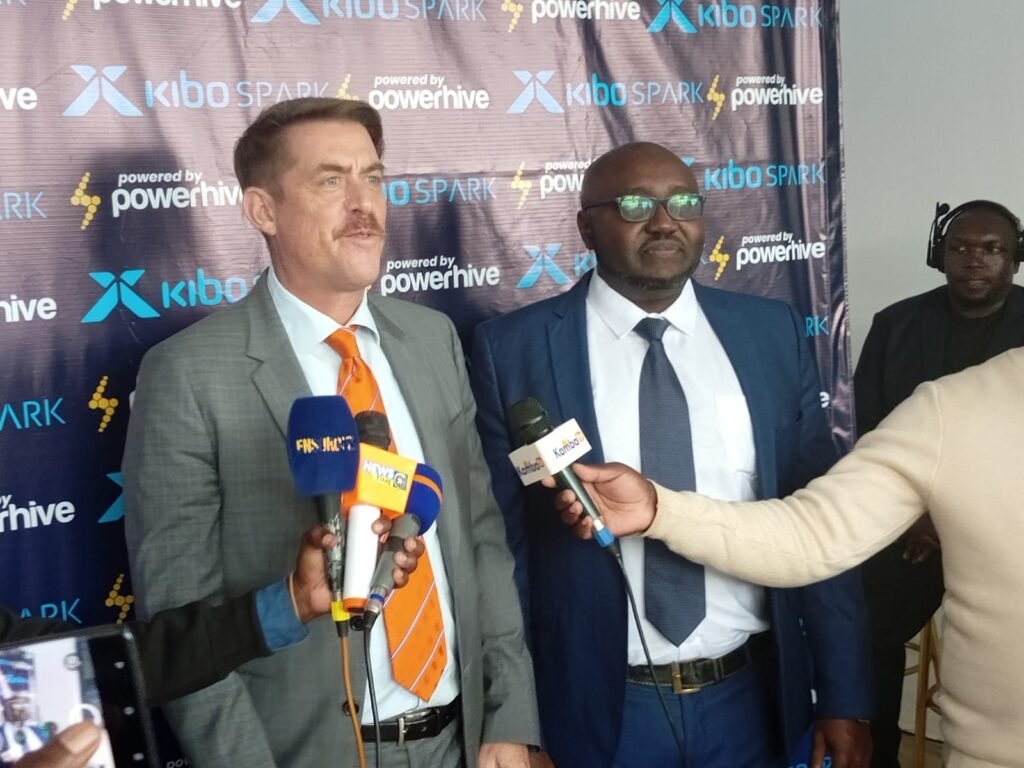
Picture ShowingKibo Africa Director Felix Mulwa- alongside Powerhive CEO Christopher Hornor speak to press during the rollout – Photo Credit: HANDOUT
Kibo Africa Director Felix Mulwa said the company intends to scale up adoption of electric motorcycles by combining locally assembled bikes with a network of battery-swapping stations.
”We plan to launch around 10,000 bikes in the next 12 months in the market,” Mulwa said.
The company said the motorcycles have undergone testing over the past three years and will initially be rolled out in Nairobi before expanding to other areas.
According to Mulwa, the initiative is targeting the boda boda sector, which has increasingly become a focus for electric mobility companies seeking to reduce operating costs associated with conventional fuel-powered motorcycles.
He said riders using the Kibo Spark would have access to battery-swapping services throughout Nairobi, allowing them to exchange depleted batteries for charged ones rather than waiting for batteries to recharge.
Mulwa argued that the model could help riders reduce daily operating expenses at a time when fuel prices remain a major concern for many motorcycle operators.
”With the current increase in fuel prices, a rider can be able to save around Sh500 to Sh600 per day compared to fuel motorcycles,” he said.
Beyond the first-year target, the company said it aims to deploy approximately 30,000 electric motorcycles within the next three years.
Powerhive Chief Executive Officer Christopher Hornor said the partnership brings together the firm’s experience in energy infrastructure and Kibo Africa’s presence in the motorcycle market.
Hornor noted that Powerhive has operated energy projects in Kenya for more than a decade and currently serves thousands of customers through mini-grid systems.
He said the company has spent the last four years working with Kibo Africa on the engineering and development of the electric motorcycle ecosystem that was unveiled on Thursday.
”We’re committed to building the energy infrastructure layer all over Africa, starting in Kenya,” Hornor said.
The rollout comes as Kenya continues to witness growing interest in electric mobility, with several firms investing in electric motorcycles, battery-swapping stations and charging infrastructure amid efforts to reduce emissions from the transport sector.
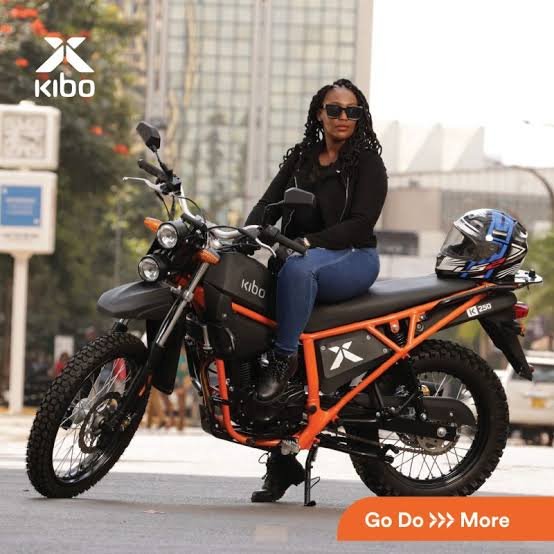
Picture Showing A Lady Sitting Down on a Kibo Electric Bike – Photo Credit: Kibo
Industry players have increasingly targeted the country’s large boda boda market, arguing that lower energy costs and reduced maintenance requirements could make electric motorcycles a viable alternative to conventional bikes.
Kibo Africa and Powerhive said their partnership would focus on expanding access to battery-swapping services as they seek to support the planned deployment of thousands of motorcycles across the country.
Who is Kibo Africa Ltd ?
Kibo Africa Ltd also known as Kibo Motorcycles is a socially grounded mobility company that designs purpose-built, rugged motorcycles for the African continent. Designed in the Netherlands (Holland) and assembled in Kenya, their bikes are specifically engineered to tackle demanding work requirements and tough off-road terrains.
Kibo Motorcycles (Kibo Africa Limited) was founded in 2011 by Huib van de Grijspaarde, a Dutch economist and entrepreneur. The company operates out of Nairobi, Kenya, where they design and assemble durable motorcycles built specifically for African terrain and infrastructure.
They are known for producing heavy-duty bikes widely used by individuals, commercial fleets, micro-entrepreneurs, and county governments.
In 2024, Kibo Africa introduced the third generation of the Kibo 250R motorcycle, which the company says aims to improve urban mobility standards.
The new bike has a 250cc engine and a fuel economy of up to 33km per litre. In addition to its operating cost-effectiveness, the Kibo 250R provides a unique blend of adventure and manoeuvrability, allowing riders to explore new horizons. With its sleek design and innovative features, the motorcycle is poised to redefine urban mobility for Kenyan riders.
Speaking at the launch event, Kibo Africa CEO Huib van de Grijspaarde stated that the new bike aims to address some of the challenges faced by many of Kenya’s working youth by providing practicality and easy maintenance in the face of rising economic pressures.
Why This Matters for Kenya and Africa?
Kibo’s plan to roll out 10,000 Electric Bikes in the next 12 months into the market, is a highly welcomed initiative that is targeted at the boda boda sector, which has increasingly become a focus for electric mobility companies seeking to reduce operating costs associated with conventional fuel-powered motorcycles.
This new uprising is destined to improve mobility in Kenya, increase Kenyan National GDP while creating Thousands of new job opportunities for Kenyan’s to enjoy!
SUBSCRIBE TO SEEDUFYTECH NEWSLETTER
[sureforms id=’2360′]