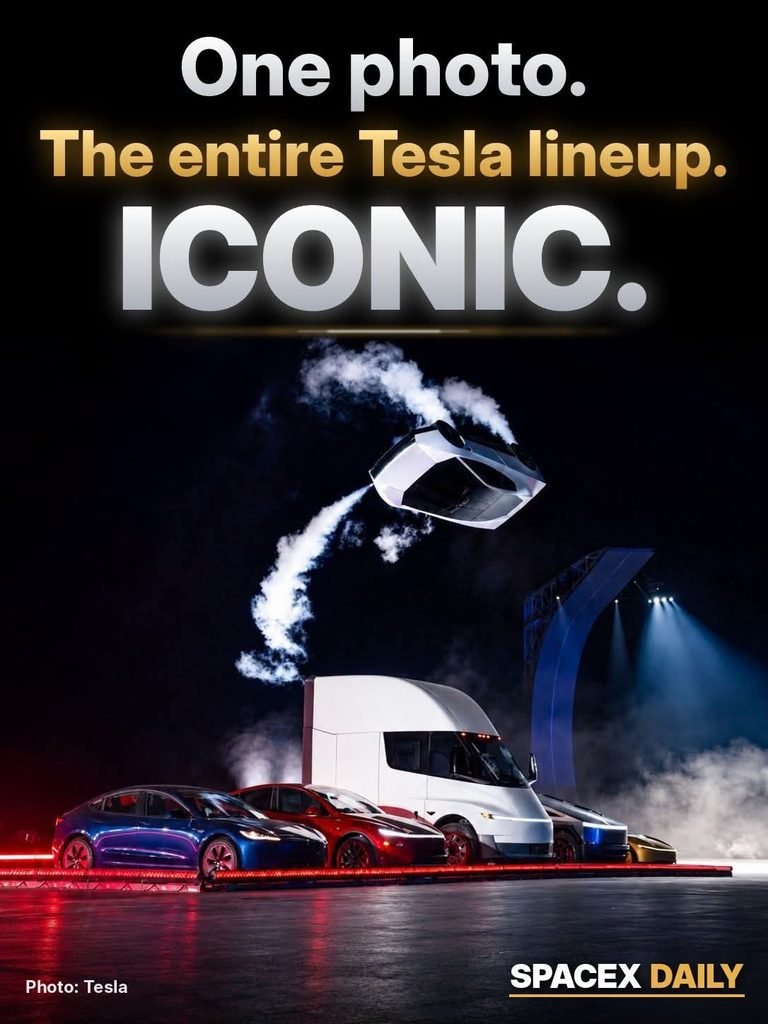
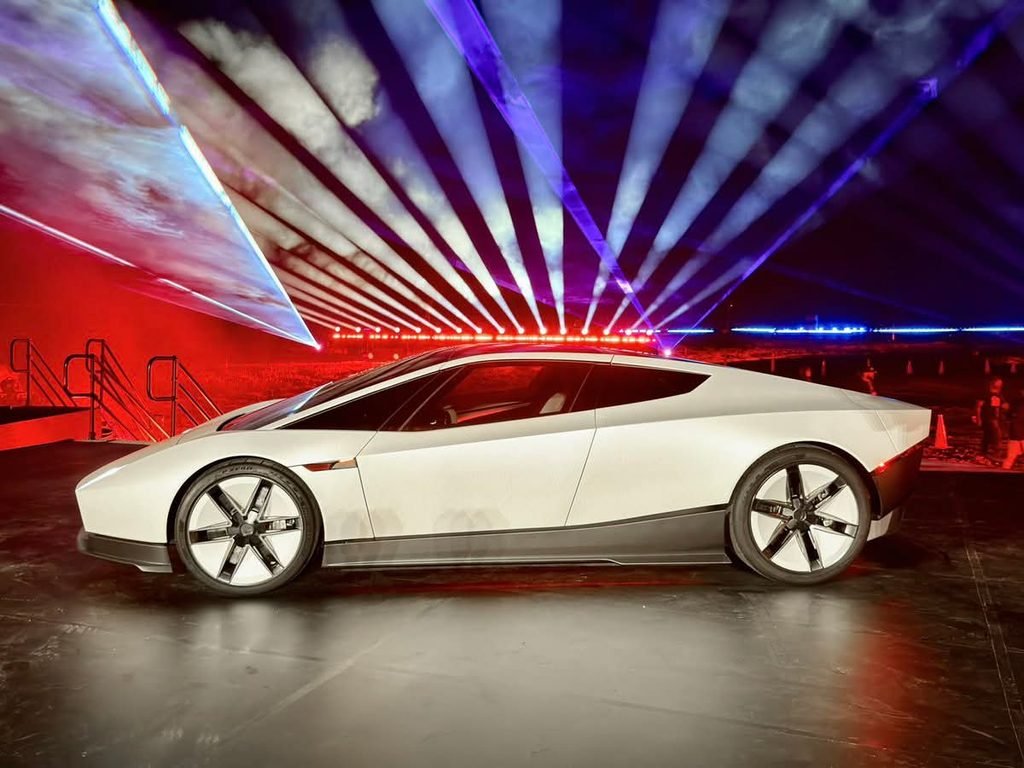
On October 15, 2026, at SpaceX’s rocket development and testing facility in McGregor, Texas, Tesla finally showed the long-delayed second-generation Roadster and it briefly flew.

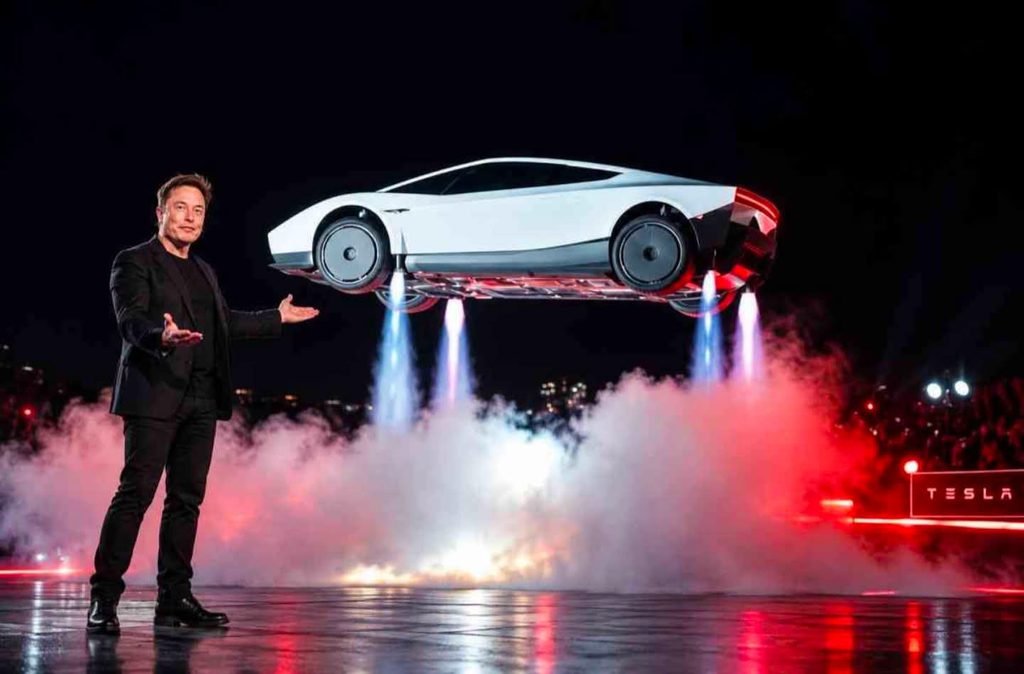
In a dramatic live streamed demonstration, the prototype drove up an inverted ramp using a high-powered underbody suction system, hung upside down, then launched itself into the air with cold-gas thrusters. It flipped mid-air, landed safely, and later hopped over a lineup of other Tesla vehicles including a Cybertruck and Semi. The car also posted a 0-60 mph time of 0.81 seconds.
CEO Elon Musk declared the moment a collaboration between “the world’s best car company and the world’s best rocket company.” Production is now targeted for 2028—nearly a decade after the car was first teased in 2017 with an original delivery window of 2020.
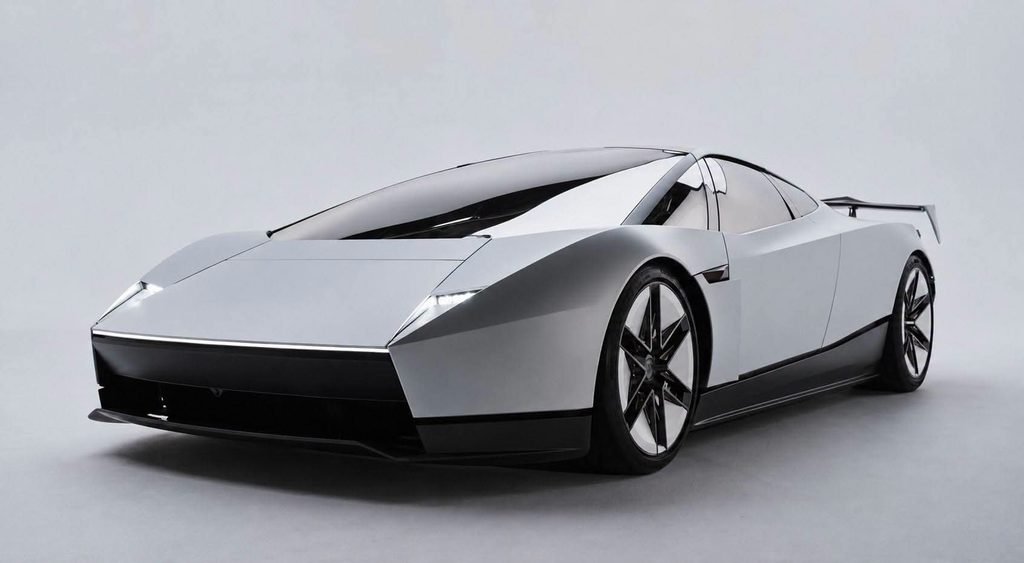
Tesla says the Roadster’s thrusters deliver “roughly the same thrust as a fighter jet,” fed by a 10,000 psi tank. In a new video interview recorded before the reveal, Tesla engineering chief Lars Moravy explained that the Thrust version uses a 200 liter COPV, a composite overwrapped pressure vessel, to launch the car from 0 to 60 mph in under a second.
The catch is that each fill delivers just one launch. Host Tom called the system “beautifully pointless,” but Moravy said Elon Musk has always described it as “the cherry on top.”
Beneath the theatrics, the standard Roadster already makes 1 MW, roughly 1,340 HP, and a 330 mph version is in the works, with Tesla noting “it’s just gearing.” The top Rocket edition goes even further, with a single seat, a larger tank placed where the passenger would normally sit, and six extra thrusters.
How the “Flying” Actually Works
The flight capability relies on cold-gas thrusters developed with SpaceX technology. These are not traditional chemical rockets that burn propellant. Instead, the system stores compressed air in large carbon-fiber overwrapped pressure vessels (roughly 600 liters capacity) and expels it through multiple nozzles—typically described as 10 thrusters positioned around the vehicle for upward lift, lateral control, rotation, and forward thrust.

A multi-mode suction fan system under the car generates extreme downforce that exceeds 2g of lateral force, allowing the vehicle to stick to surfaces even when inverted. The thrusters provide short bursts of lift and attitude control rather than sustained free flight. Musk has openly noted that the car is “not necessarily a safety-optimized” vehicle.
Three Variants Planned
Tesla is offering the Roadster in three configurations:
· Performance — The road-oriented two-seater with the suction system and active aerodynamics posting 0-60 mph under 1.6 seconds. Reservations require a $50,000 deposit.
· Thrust — Adds rear-mounted cold-gas thrusters for extreme acceleration 0.9 or even under 1 second to 60 mph. Limited release, $250,000 reservation deposit.
· Rocket — The single-seat, invite-only version with the full perimeter thruster package that enables the aerial maneuvers shown at the event. Tesla states this variant is not approved for public road use.

All versions are said to offer more than 300 miles of range and top speeds exceeding 230 mph, though Musk has suggested the production car could aim for “halfway to the speed of sound” which is around 385 mph. No final pricing has been announced.
A Long wait and Lingering questions
The second-generation Roadster was first revealed in 2017 as a four-seater promising blistering performance. Repeated delays followed as Tesla focused on higher-volume models and manufacturing challenges. Early reservation holders have waited years; Tesla’s current reservation language still includes the caveat that delivery is not guaranteed.
Regulatory hurdles remain significant. The flying Rocket variant is explicitly not street-legal, and even the more conventional versions will need to clear normal vehicle safety and emissions requirements. Analysts note the car is unlikely to move Tesla’s sales volume needle but could reinforce the company’s engineering image and brand halo at the high end.

Musk has framed the Roadster as potentially Tesla’s last long-term manually driven car, aligning with the company’s broader push toward autonomy. Whether the 2028 production target holds—and how many of the spectacular demonstration features reach customers—will be closely watched. For now, the prototype has delivered on one long-standing promise: it can, at least briefly, fly.