
Behind the electricity that powers homes, offices, factories and commercial buildings are essential products many people rarely stop to think about: electrical wires and cables.
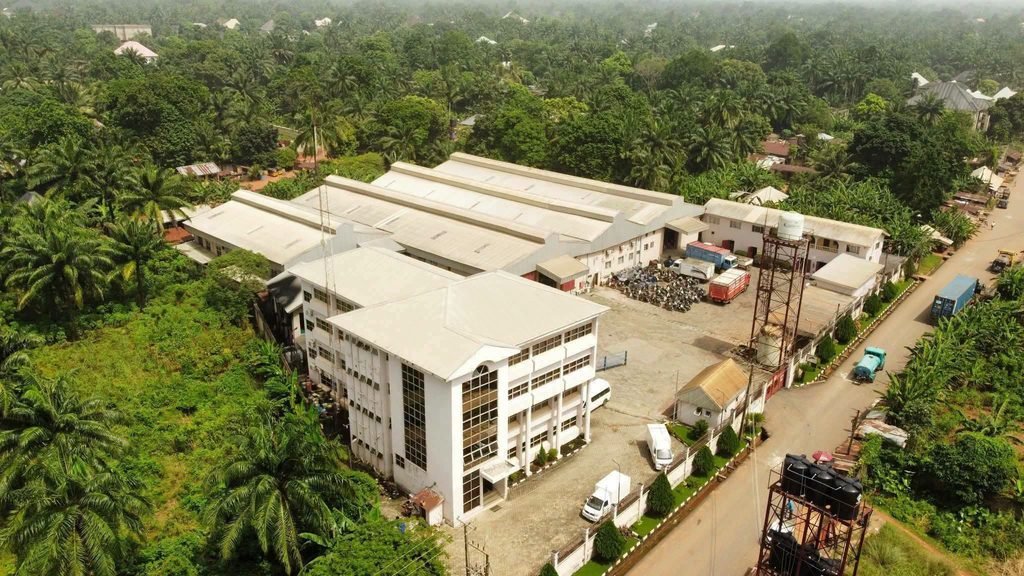
In Nnewi, Anambra State, one Nigerian company has spent decades manufacturing these important products. Its name is Cutix Plc, a homegrown industrial business that has contributed to Nigeria’s electrical cable manufacturing sector since the early 1980s.
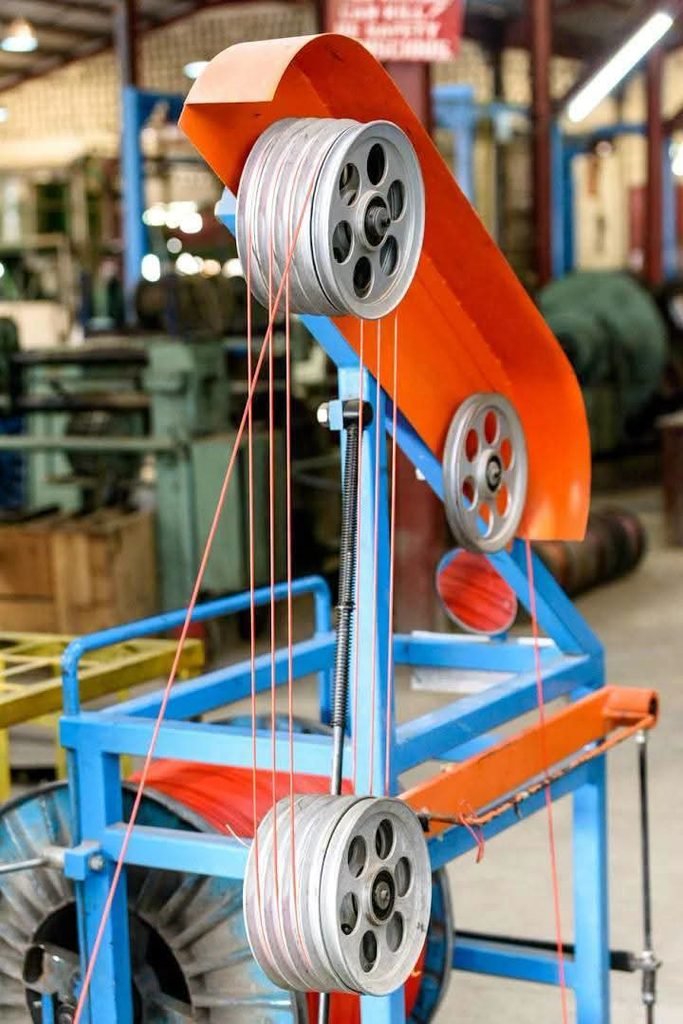
Founded by Engineer Gilbert Obiajulu Uzodike, Cutix grew from an indigenous business into a publicly listed Nigerian company. Its operations include the production and marketing of electrical wires and cables for different applications, including building installations, power distribution and industrial use.
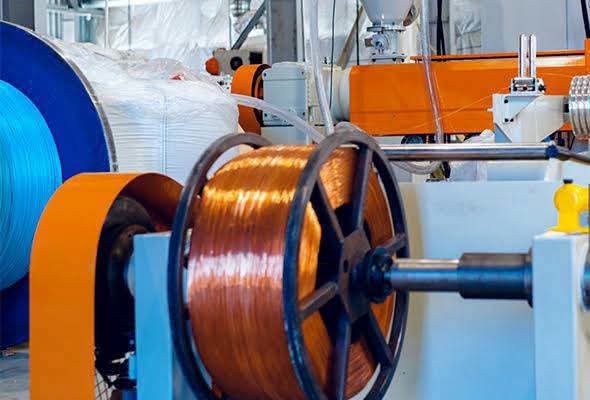
Electrical cables are not all the same. The type required depends on the amount of electricity being carried, the installation environment and the level of protection needed.
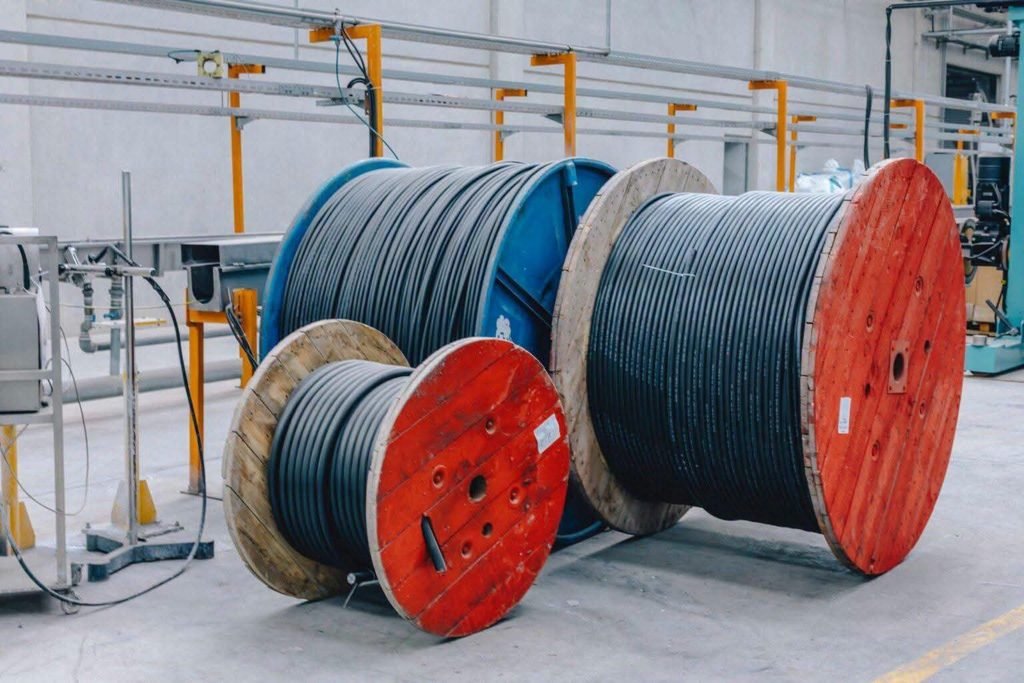
Cutix produces different cable types, including flexible cables, automotive wires, aluminium conductors and armoured cables. Armoured cables, for example, have additional protective layers designed for applications where mechanical protection is important. Other cable types serve different electrical and installation requirements.
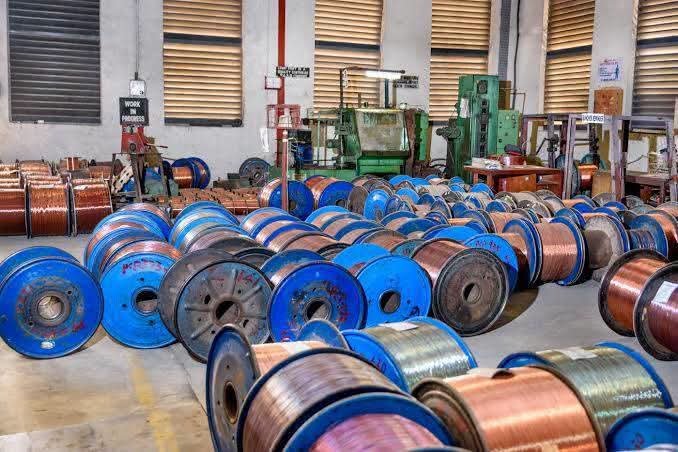
These products are essential to the infrastructure that supports everyday life. From residential buildings and commercial complexes to industrial facilities and power networks, properly specified and installed cables help electricity reach the equipment and spaces where it is needed.
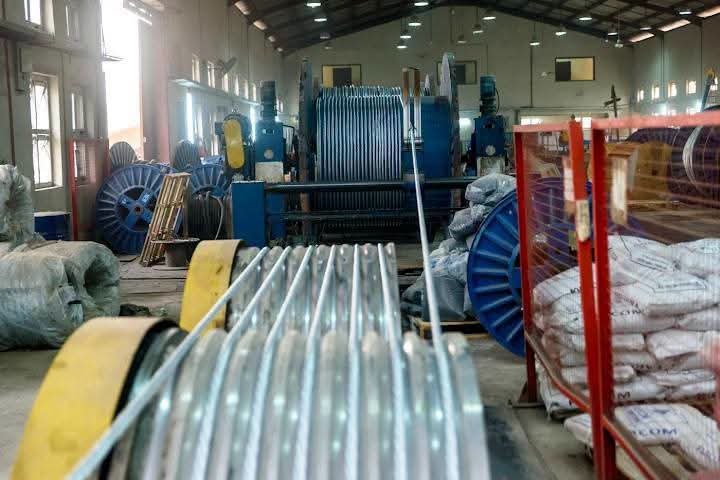
Manufacturing electrical cables locally is about more than placing a Nigerian name on a product. It is also about developing technical expertise, operating industrial equipment, maintaining quality standards and building the workforce needed to sustain production.
A stronger domestic manufacturing sector can create opportunities for skilled workers, technicians, engineers, distributors and supporting businesses. Local production can also give customers another source of supply, although its impact on prices and import dependence depends on production capacity, input costs and the availability of raw materials.
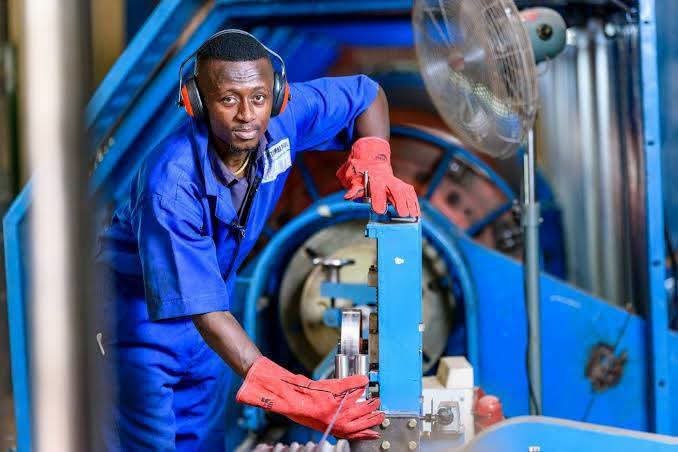
For a country seeking to expand its industrial base, these capabilities matter. Industrial development depends not only on large, highly visible products such as cars and aircraft, but also on the less celebrated components that make buildings, factories and infrastructure function.
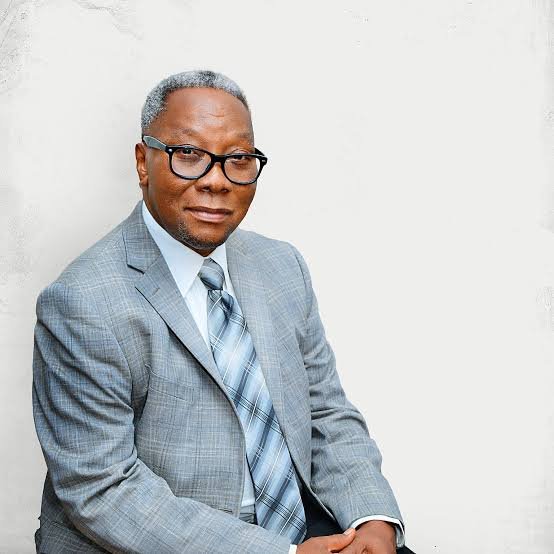
In June 2024, Cutix lost its founder, Engineer Gilbert Obiajulu Uzodike. His death marked the passing of an industrialist associated with the growth of manufacturing in Nnewi.
Yet the company continued beyond its founder’s lifetime. As a publicly listed business, Cutix has a board and management structure responsible for guiding its operations and future direction.
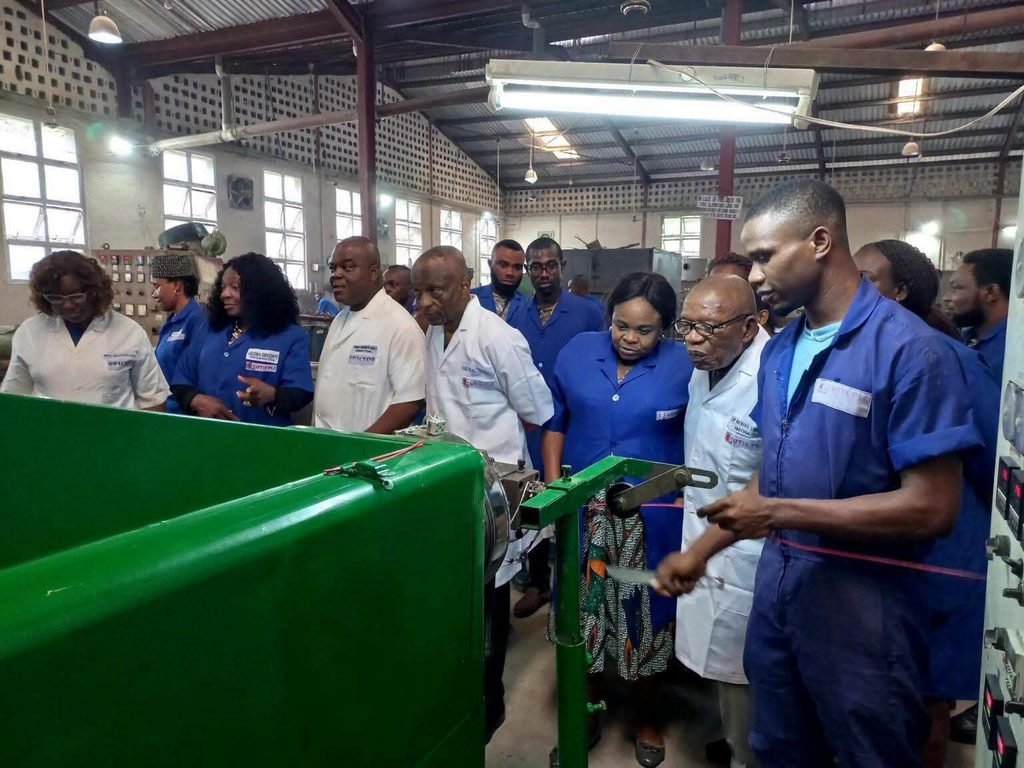
This highlights an important lesson in business development: building a company is one achievement, but creating an organisation capable of continuing beyond its founder is another.
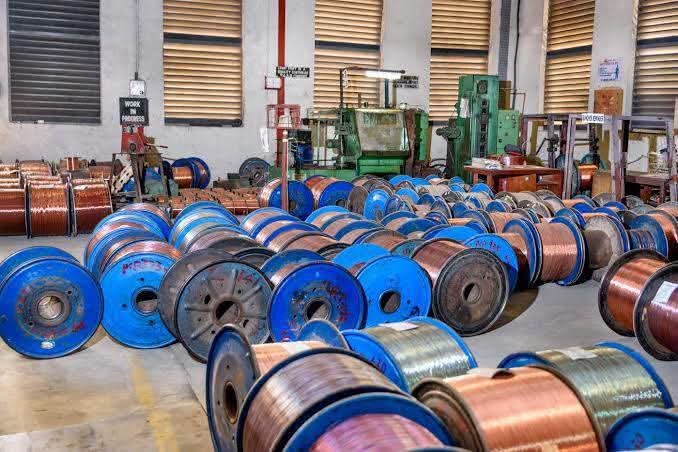
From Nnewi, Anambra State, Cutix offers an example of Nigerian industrial activity in a sector that is fundamental to the country’s buildings, businesses and electricity infrastructure.