
What if doctors could destroy certain liver tumors from outside the body without making an incision?
Key Takeaways
• Scientists create a device that uses highly focused ultrasound waves to destroy Liver tumors.
• The device received FDA De Novo marketing authorization in October 2023.
• Since FDA clearance in 2023, HistoSonics’ Edison histotripsy system has been used to treat more than 1,000 patients with liver tumors.
MEET HISTOTRIPSY
The device received FDA De Novo marketing authorization in October 2023 (DEN220087) as the first focused ultrasound system for non-thermal, mechanical tissue ablation. It is indicated for the non-invasive destruction of liver tumors, including unresectable ones.
The FDA-cleared Edison System uses highly focused ultrasound waves to create microscopic bubbles inside targeted tissue. As these bubbles rapidly expand and collapse, they mechanically break apart the tissue without using heat or ionizing radiation.
HOW HISTOTRIPSY WORKS
Traditional high-intensity focused ultrasound (HIFU) often relies on heat to ablate tissue. Histotripsy takes a different path. The Edison System delivers high-amplitude, microsecond-duration focused ultrasound pulses that induce controlled acoustic cavitation at a precise focal point.
Naturally occurring nanoscale gas pockets in tissue serve as nuclei. When the peak negative pressure exceeds an intrinsic threshold (typically in the range of tens of megapascals), these nuclei expand into a dense “bubble cloud” of microscopic bubbles.
The bubbles rapidly expand and collapse within hundreds of microseconds. This cyclic mechanical stress and strain squeezing and pulling on surrounding cells fractionates the tissue into a homogeneous acellular lysate with little to no recognizable cellular structure.
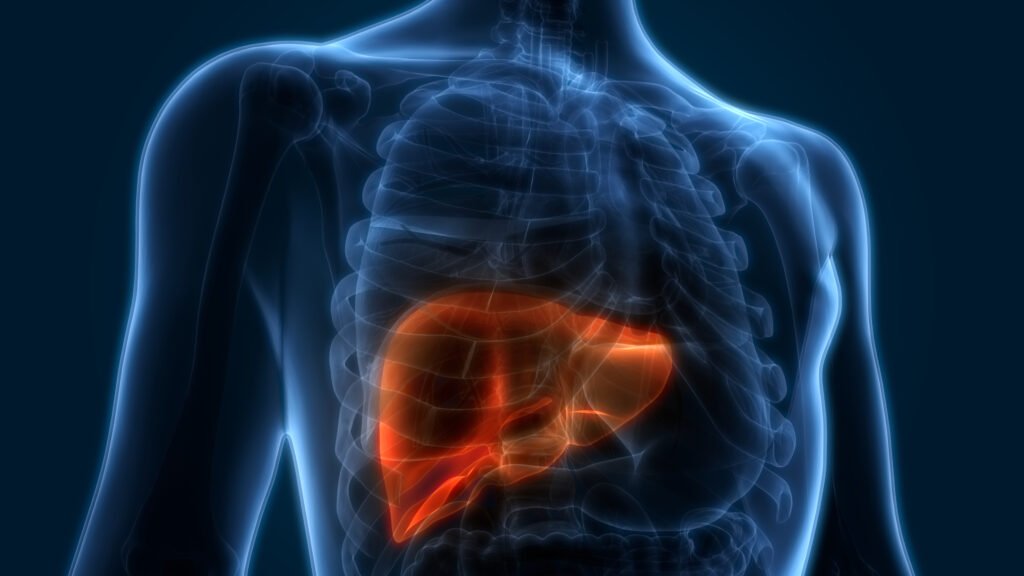
Because the pulses are extremely short and delivered at a low duty cycle, thermal buildup is minimized. The process is purely mechanical and does not rely on ionizing radiation. Larger collagenous structures such as blood vessels and bile ducts tend to be more resistant to the cavitation forces than cellular parenchyma, offering a potential tissue-selective effect.
Real-time diagnostic ultrasound imaging is integrated into the system. Physicians can visualize the hyperechoic bubble cloud as it forms, contour the planned treatment volume, and continuously monitor and adjust the therapy. An automated robotic arm moves the treatment head through the planned volume while the clinician retains control.
WHAT MAKES IT DIFFERENT?
Unlike surgery, histotripsy does not require an incision. It also avoids the heat used in many other tumor-ablation techniques and may be an option for selected patients with liver tumors, including some tumors that cannot be surgically removed.
Clinical Evidence from the #HOPE4LIVER Trials
FDA authorization rested in large part on the prospective, multicenter HOPE4LIVER trials conducted in the United States and Europe. In the pooled pivotal analysis of 44 patients (18 with hepatocellular carcinoma and 26 with metastatic liver tumors), technical success—defined as complete coverage of the targeted tumor by the treatment zone—was achieved in 95% of evaluable tumors. Procedure-related major complications within 30 days occurred in approximately 7% of patients, meeting the pre-specified performance goals.
Longer-term follow-up has shown encouraging local control. At one year, local tumor control rates of around 90% have been reported, with overall survival rates comparable to other locoregional therapies for similar disease stages. Treatment zones typically involute substantially over time as the body resorbs the liquefied tissue.
Potential Advantages Over Conventional Approaches
Because the procedure is completely non-invasive—no incisions, no needles, no probes inserted into the body—it avoids many risks associated with surgery or percutaneous ablation, such as bleeding, infection, and prolonged recovery. The non-thermal mechanism may help spare critical structures near the treatment zone. Many patients can be treated in a single session and discharged the same day.
The technology is also being studied beyond the liver. A pivotal trial for primary renal tumors (#HOPE4KIDNEY) has supported a regulatory submission for an expanded indication, and investigations continue in other organs. The system has received CE Mark approval in Europe for liver tumors
IMPORTANT LIMITATION
FDA clearance does not mean histotripsy is a proven cure for liver cancer. It does not guarantee that every tumor can be treated, that all surrounding tissue will be spared, or that a patient will live longer. Some patients may still need surgery, radiation, chemotherapy, immunotherapy, or other treatments.
➡️ INSTEAD: Patients should ask a multidisciplinary liver cancer team whether histotripsy is appropriate for their specific tumor, location, overall health, and treatment goals.
THE BIG TAKEAWAY: Focused sound waves are now a real clinical option for selected liver tumors but they are not a replacement for every cancer treatment.
Histotripsy represents a genuine new category of non-invasive therapy. By harnessing the mechanical power of controlled cavitation rather than heat or radiation, the Edison System offers a precise way to destroy targeted soft tissue while leaving surrounding structures relatively intact.
Ongoing clinical experience and research will further define its role alongside surgery, thermal ablation, embolization, and systemic therapies for patients with liver tumors and, potentially, other solid-organ disease.
As with any medical technology, treatment decisions remain individualized and should be guided by a multidisciplinary team experienced in the device. The science of turning focused sound into microscopic bubble clouds that dismantle tissue without heat or radiation is no longer experimental—it is FDA-cleared and entering routine clinical use.
DISCLAIMER: This content is for educational purposes only and is not medical advice. Histotripsy is not suitable for every patient or every tumor. Treatment decisions should be made with qualified medical professionals.