

In a Landmark moment that underscores Dubai’s relentless pursuit of innovation, His Highness Sheikh Hamdan bin Mohammed bin Rashid Al Maktoum, Crown Prince of Dubai, Deputy Prime Minister and Minister of Defence of the UAE, and Chairman of The Executive Council of Dubai, today reviewed and effectively Launched the operational readiness of the city’s first purpose-built air taxi station near Dubai International Airport (DXB).
Key Takeaways:
• Dubai’s Royal Crown Prince Officially Launches Dubai Air Taxis
• This revolutionary Air Taxi and Station is designed to make air transport cheaper and affordable for all
• Developed from a strategic partnership with Joby, this invention seeks to put Dubai ahead of world in terms of Translocation
Sheikh Hamdan, affectionately known as Fazza, personally inspected the newly completed vertiport, declaring it ready and directing the launch of public air taxi services later this year. “The launch of the Air Taxi infrastructure marks an important step in adopting new, sustainable modes of transport and strengthening Dubai’s readiness for the decades ahead,” he stated during the visit, which aligned perfectly with preparations for World Public Transport Day on April 17.
This isn’t just another infrastructure project—it’s a bold leap into the future of urban mobility, positioning Dubai as the world’s first city to operationalize a comprehensive electric vertical take-off and landing (eVTOL) air taxi network.
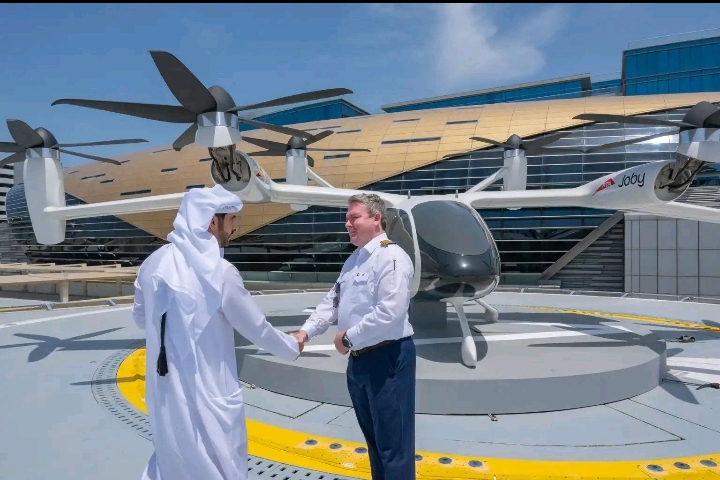
Dubai Crown Prince Sheikh Hamadan Bin Mohammed Bin Rashid Al Maktoum Officially Launched Dubai’s Air Taxis today
This announcement comes as Dubai continues to transform from a Desert metropolis into a global beacon of futuristic living. Under the visionary Leadership of His Highness Sheikh Mohammed bin Rashid Al Maktoum, Vice President and Prime Minister of the UAE and Ruler of Dubai, the emirate has consistently turned ambitious dreams into reality. Today’s milestone with the air taxi station is no exception—it’s the culmination of years of planning, testing, and international partnerships that promise to revolutionize how residents and visitors navigate one of the world’s most dynamic cities.
The Dawn of a New Mobility Revolution
Imagine soaring above Dubai’s iconic skyline, bypassing the notorious traffic on Sheikh Zayed Road, and reaching Palm Jumeirah from DXB in mere minutes instead of the usual 45. That’s the promise of Dubai’s air taxi service. The first station, developed by Skyports Infrastructure, spans 3,100 square meters across four storeys and includes dual take-off and landing pads, advanced charging facilities for electric aircraft, dedicated passenger lounges with climate control, and a two-level car park for seamless ground integration. It is engineered to handle approximately 170,000 passengers annually at full capacity.
This vertiport serves as the central hub for an expanding network. Additional stations in Downtown Dubai, Palm Jumeirah, and Dubai Marina are slated for completion by the end of 2026, creating an interconnected aerial ecosystem that will link key economic and tourist hubs. The project reflects Dubai’s Roads and Transport Authority (RTA) strategy to integrate advanced air mobility into the city’s broader transport framework, reducing road congestion while promoting zero-emission travel.
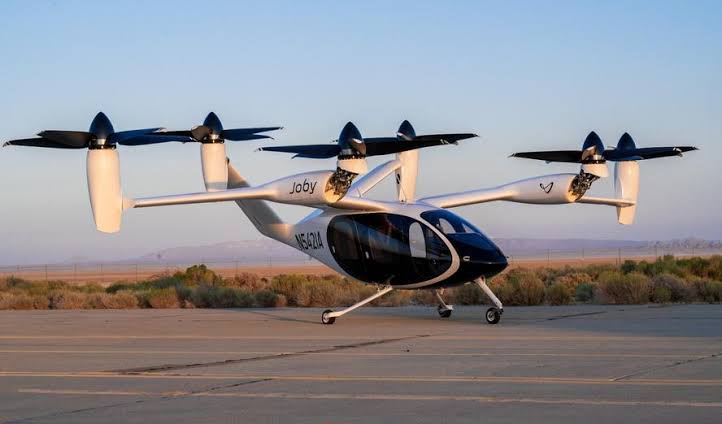
Dubai’s Electronic Powered Air Taxis by Joby
Sheikh Hamdan’s hands-on review today highlights the leadership’s commitment to execution at lightning speed. The infrastructure moved from planning to completion in record time, thanks to high-level directives and collaborative efforts. Officials emphasize that the service will meet the highest international safety and operational standards, with rigorous testing already underway.
Partnership with Joby Aviation Pioneering eVTOL Technology
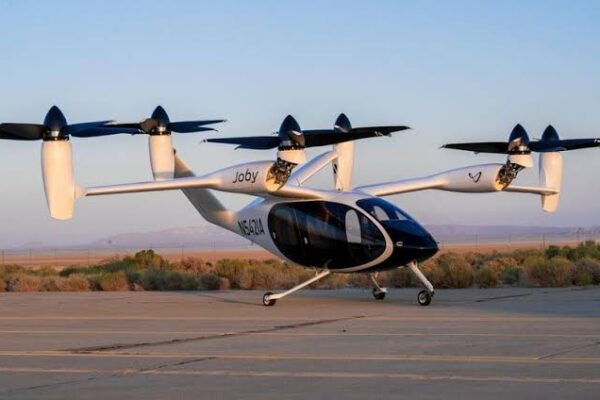
At the heart of Dubai’s air taxi initiative is a strategic partnership with Joby Aviation, the California-based leader in eVTOL aircraft. Joby has secured an exclusive six-year contract with the RTA to operate the service, marking Dubai as Joby’s global launchpad for commercial operations. The company’s aircraft, such as the S4 model, are fully electric, quiet, and designed for urban environments. They feature six propellers, can carry a pilot and up to four passengers, and boast a range of around 160 km with top speeds reaching 320 km/h (approximately 200 mph).
Test flights have already demonstrated the technology’s potential. In 2025, Joby completed the region’s first test flight of its aerial taxi in collaboration with the RTA. This was followed by a historic crewed point-to-point flight from Margham in the Dubai desert to Al Maktoum International Airport (DWC), covering the distance in about 17 minutes. These milestones paved the way for integrated urban operations, with more piloted tests scheduled using the actual vertiports.
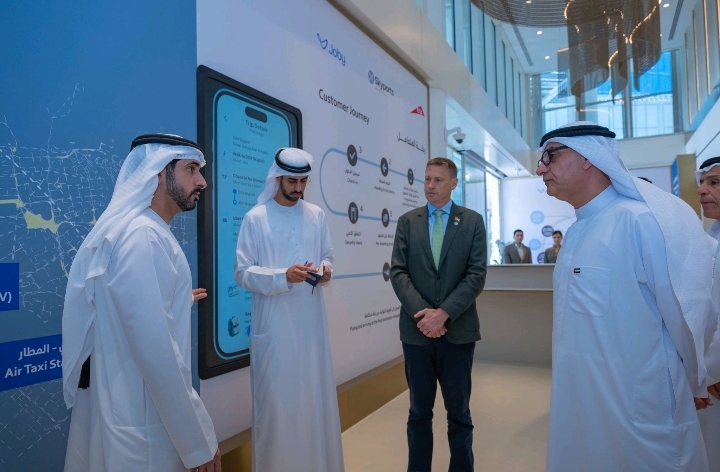
Sheikh Hamadan Proves once Again to be Visionary with the Launch of the World’s first Air Taxi and Air Taxi Station
The eVTOLs operate like helicopters but without the noise and emissions of traditional aviation. Vertical take-off and landing eliminate the need for long runways, making them ideal for dense city environments. Passengers will enjoy a premium experience: quick boarding, breathtaking aerial views of Burj Khalifa, the Dubai Fountain, and the Palm, all while contributing to Dubai’s sustainability goals. By shifting short urban trips to the skies, the service aims to cut travel times dramatically—transforming a 45-minute ground journey into a 10-minute flight.
Joby’s involvement isn’t just technological; it’s a vote of confidence in Dubai’s regulatory environment and infrastructure readiness. While other cities grapple with certification delays and airspace challenges, Dubai’s agile governance and proactive investment have accelerated progress. The General Civil Aviation Authority and Dubai Civil Aviation Authority are working closely to ensure seamless integration with existing airspace.
Visionary Leadership
Sheikh Hamdan bin Mohammed Al Maktoum embodies the spirit of modern Dubai—adventurous, forward-thinking, and deeply connected to his people’s aspirations. As Crown Prince, he has championed numerous initiatives in sports, culture, youth empowerment, and innovation. His poetry and photography, shared widely as Fazza, inspire millions, but it’s his leadership in practical governance that drives tangible change.
Today’s review of the air taxi station is part of a broader portfolio where Sheikh Hamdan oversees mobility projects, including the rollout of autonomous ground taxis. Earlier in 2026, he personally experienced a driverless taxi ride en route to the World Government Summit and directed its public launch. This dual focus on aerial and ground autonomy positions Dubai as a holistic smart mobility pioneer.
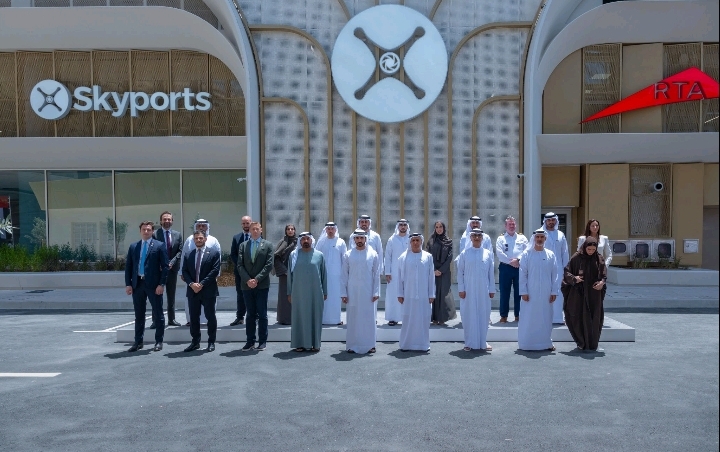
Dubai Crown Prince Pictured with all Transportation Ministers and relevant stakeholders
His directives emphasize safety, sustainability, and accessibility. “Today, we take another step forward with the completion of the first Air Taxi Station, reaffirming our commitment to shaping the future of mobility,” Sheikh Hamdan remarked, linking the project directly to Sheikh Mohammed’s vision of Dubai as a global hub for innovation.
Under his guidance, the RTA has fast-tracked the project, completing key infrastructure in under a year in some phases. This leadership style—vision combined with meticulous oversight—ensures that Dubai doesn’t just follow global trends but sets them.
Transforming Daily Life in Dubai
The impact of air taxis will be profound. For business executives rushing between meetings in DIFC and hotels on the Marina, it means reclaimed time for productivity rather than gridlock. Tourists can zip from the airport to iconic attractions without the hassle of ground transport. Emergency services could benefit from faster response times, and the overall reduction in road vehicles will ease pressure on highways, lowering carbon emissions and improving air quality.
Initial routes are expected to focus on high-demand corridors: DXB to Downtown, Downtown to Marina, and connections to Palm Jumeirah. Pricing is anticipated to be premium initially, targeting tourists and business travelers, but scalability could bring costs down over time as adoption grows and more aircraft join the fleet.
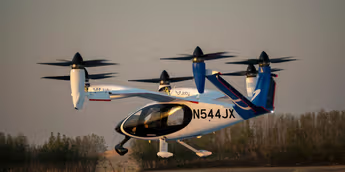
Dubai’s Electric Air Taxis by Joby
Beyond convenience, this initiative aligns with Dubai’s ambitious sustainability targets. Electric propulsion means zero local emissions during flight, supporting the UAE’s net-zero goals and the Dubai Clean Energy Strategy. Noise levels are significantly lower than helicopters, making the service more harmonious with urban living.
Challenges remain, of course. Public acceptance of flying taxis will require education and demonstrated safety. Airspace management in a busy aviation hub like Dubai demands precise coordination. Regulatory approvals, pilot training, and maintenance infrastructure must scale rapidly. Yet, Dubai’s track record—with projects like the Hyperloop explorations, autonomous vehicles, and world-class metro—suggests these hurdles will be overcome with characteristic efficiency.
Global Implications
Dubai’s air taxi launch isn’t happening in isolation. Cities worldwide are eyeing eVTOL technology, with players like Joby, Archer, and others testing in the US, Europe, and Asia. However, few match Dubai’s integrated approach: dedicated vertiports, exclusive operator partnerships, and top-level governmental support.
By aiming for commercial operations by the end of 2026, Dubai could claim the title of the first city with a fully operational urban air taxi network. This will attract investment, talent, and tourism, reinforcing its status as a future-ready destination. International media and aviation experts are already watching closely, with the project generating buzz at events like the Dubai Airshow.
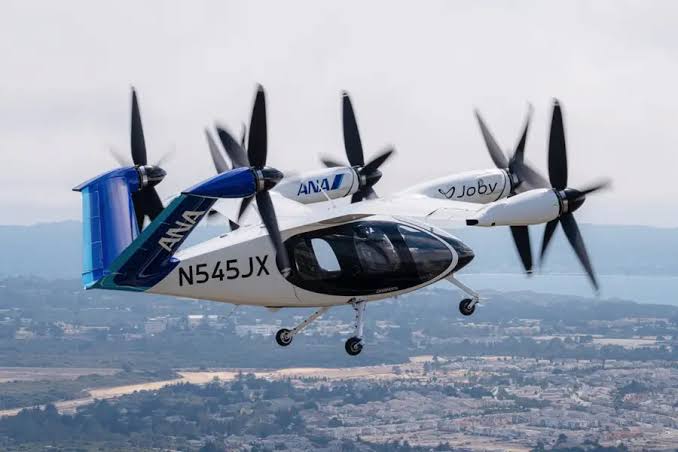
Uber riders in Dubai will be able to book rides on Joby’s air taxis later this year, the companies said on Wednesday. Uber/Joby
The initiative also fosters local innovation. While the aircraft come from Joby, the infrastructure, operations, and supporting ecosystem will create jobs in engineering, aviation maintenance, customer service, and data analytics. Partnerships with universities and tech firms could spur homegrown advancements in drone technology, AI for traffic management, and sustainable aviation.
A Glimpse into 2030 and Beyond
Looking ahead, today’s milestone is just the beginning. Planners envision expanding the network to more locations, including potential links to Abu Dhabi or other emirates. Integration with the metro, autonomous pods, and even hyperloop concepts could create a seamless multi-modal transport system. Advances in battery technology and autonomous flight (initial services will include pilots) may eventually enable fully pilotless operations, further reducing costs.
For Sheikh Hamdan and the leadership, this is about more than transport—it’s about building a city that anticipates the needs of future generations. A city where innovation enhances livability, sustainability drives growth, and ambition knows no bounds.
As the sun sets over the Arabian Gulf, the skies above Dubai are poised to buzz with electric air taxis, carrying passengers on journeys that once seemed like science fiction. Today’s announcement by Sheikh Hamdan bin Mohammed Al Maktoum signals that the future has arrived. Dubai isn’t waiting for tomorrow; it’s launching it today.
In the words of visionary leadership, every great achievement begins with a single, determined step. The air taxi station near DXB is that step—a soaring testament to what collective vision, rigorous execution, and unwavering commitment can accomplish. Residents and visitors alike can look forward to a transformed skyline, not just in appearance, but in how we move through it.





Leave a Reply