Silas Adekunle is a standout Nigerian-British robotics engineer and entrepreneur whose achievements have drawn global headlines and gained huge attention around the World.
At age 26, Silas Adekunle became the World’s Highest Paid Robotics Engineer in 2018. 🇳🇬
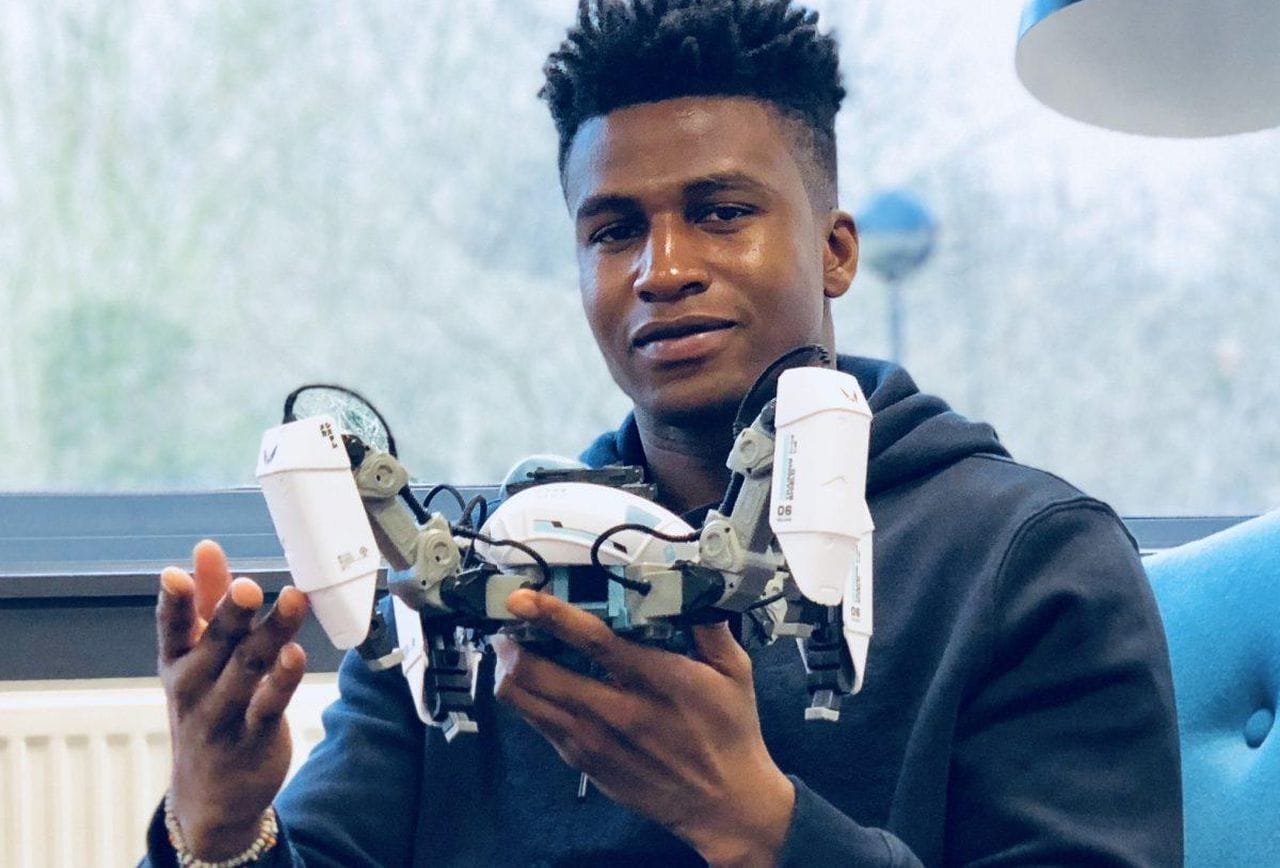
Silas Adekunle was born around July 1991 in Ibadan, Oyo State, Nigeria, Adekunle moved to the United Kingdom at age 12. He earned a First-Class degree in Robotics from the University of the West of England (UWE) in Bristol and later received an honorary Doctor of Technology degree from the same institution.
While still a student, he immersed himself in the Bristol Robotics Laboratory environment and began building the foundations of what would become Reach Robotics.
Mekamon
At age 24 in 2016 he built the world’s first intelligent gaming robot, Mekamon and sold 500 units that same year. Mekamon is a four-legged robot with lifelike movement, sensors, and emotional expression through motion. Users control it via a smartphone app, battling in mixed physical-digital arenas, customizing performance, and using it as an educational tool. It was marketed as the world’s first intelligent gaming robot.
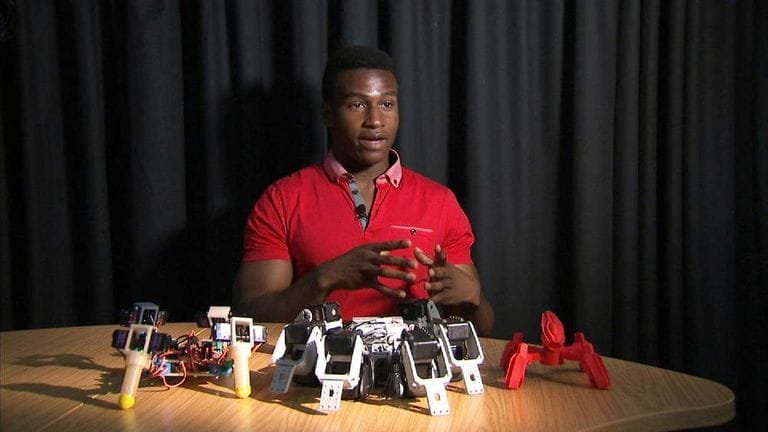
MekaMon appeared in Apple stores and online in the US and UK (priced around $300), as well as through other retailers. Early sales momentum and the Apple partnership generated significant revenue and visibility, including coverage in Forbes, TechCrunch, CNBC, and others. Adekunle was named to the Forbes 30 Under 30 Europe (Technology) list in 2018, the Financial Times Top 100 Minority Ethnic Leaders in Technology, and related recognitions.
Reach Robotics
Silas co-founded Reach Robotics a UK-based augmented reality gaming company that created robots for gaming and STEM education with a clear vision: fuse robotics, augmented reality (AR), and gaming to create engaging experiences that also supported STEM education.
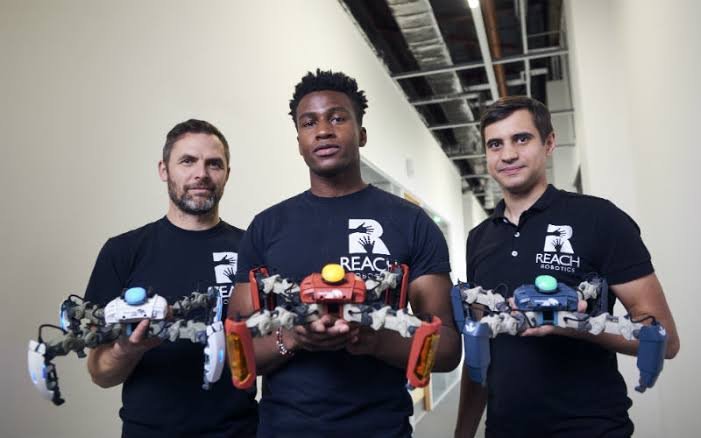
The product gained serious traction. Reach Robotics raised approximately $12 million (including support from London Venture Partners), grew to around 65 employees at its peak, and in late 2017/2018 secured an exclusive retail distribution deal with Apple.
Silas Adekunle received $12 million from investors, including London Venture Partners, allowing the company to expand to about 65 full-time employees at its peak.
In 2018, Silas Adekunle partnered with Apple, signing an exclusive distribution deal to sell his product in both the United States and Britain.
Awwari
Silas Adekunle also founded Awarri, which aims to enable the development and adaptation of advanced AI and robotics technology in Africa. Awarri has worked on multilingual large language models including Nigeria’s first government-backed open-source multilingual LLM, N-ATLAS, developed in partnership with Nigerian authorities, data infrastructure tailored to African contexts, education programs, and tools to help local talent create rather than only consume advanced technology.
What are the Salaries for high paying Robotics jobs in the UK?
Pay for robotics engineer jobs in the UK varies widely by source, because trackers blend industrial, software and research roles. Recently, Skills shortages have reportedly pushed robotics pay up around 12% recently. However records show that these are typical ranges, not guarantees, and offers vary by employer, location and specialism.
How Much Does Adekunle Silas Earn as the World’s Highest Paid Robotics Engineer in the World?
According to Roboticsjobs, the highest-paid robotics engineers in the UK earn between £110,000 and £245,000+ per year. While typical Indeed and PayScale averages sit much lower at around £36,000 to £47,000, top-tier specialists command premium compensation packages.
Given his strong First-Class background in robotics, industry skills and experience, Silas Adekunle earns roughly £250,000 per year with the Nigerian born engineer also pocketing huge £paychecks from his Robotic Startup Mekamon, Reach, & Awwari Robotic Startups.
Current Work
Silas Adekunle has not stepped away from the field. Today, he leads Reach Industries, where the flagship product is Lumi a visual AI/copilot platform that uses Computer vision and Automation to support laboratory workflows, improve reproducibility, and accelerate scientific work. It has seen adoption in Biotech and Pharmaceutical settings.
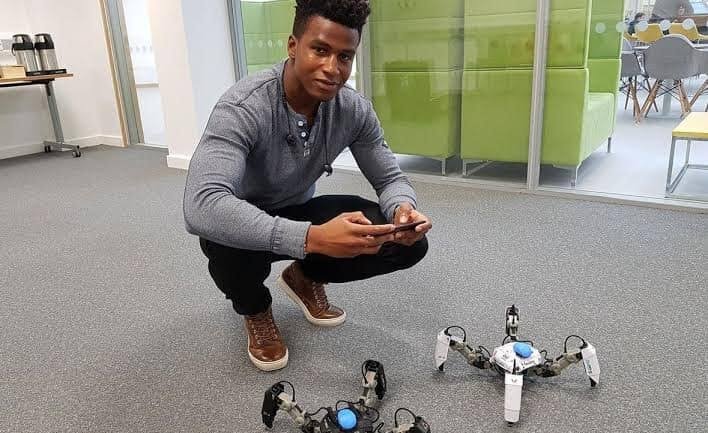
Silas Adekunle is currently working on multilingual large language models including Nigeria’s first government-backed open-source multilingual LLM, N-ATLAS, developed in partnership with Nigerian authorities, data infrastructure tailored to African contexts, education programs, and tools to help local talent create rather than only consume advanced technology.
Silas Adekunle has spoken at high-level forums, including United Nations events related to AI governance.
Silas is now focused on using MekaMon to develop the Robotics education ecosystem across Africa and cloud infrastructure for industrial automation in the UK.
In November 2018, Silas Adekunle was named to the Financial Times’ list of the “Top 100 minority ethnic leaders in technology”. In the same year, he was selected for the Forbes 30 Under 30 Europe 2018: Technology list.
Under his leadership as CEO, Reach Robotics raised over $12 million to $15 million in venture funding and employed dozens of engineers before pivoting away from consumer hardware
Why the Story Resonates
Silas Adekunle’s path from a Nigerian upbringing, through elite UK robotics education, to shipping a novel consumer robot into Apple stores, navigating a hard market exit, and redirecting effort toward science automation and African tech sovereignty, illustrates both individual excellence and broader themes.
Representation of Black and African talent in advanced robotics and AI remains limited; visible successes like his matter for inspiration and for challenging assumptions about where innovation originates. He has repeatedly emphasized that Africa can compete globally through science and technology when given the right tools and investment in local capacity.
Silas Adekunle’s career continues to evolve. For anyone following robotics, AI for science, or technology development on the African continent, his trajectory remains one of the more interesting and constructive stories of the past decade.