In a continent where critical infrastructure such as power plants, mines, pipelines, and borders faces persistent threats from terrorism, banditry, and resource theft, a young Nigerian startup is rewriting the rules of defense technology.
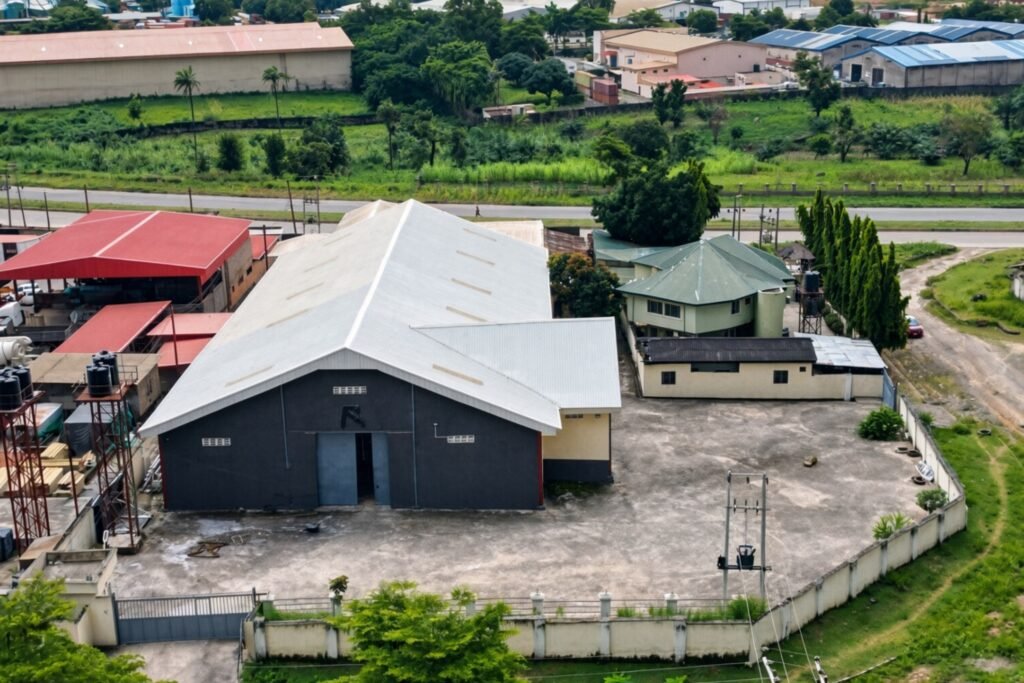
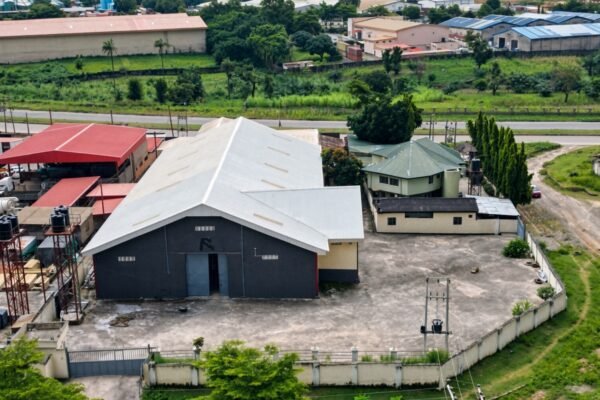
Picture Showing Terra Industries 15,000 Square Foot Drone and Robotics Manufacturing Factory Located in Idu Abuja – Photo Credit: Terra Industries
Terra Industries formerly Terrahaptix, founded by Nigerian entrepreneurs Nathan Nwachukwu and Maxwell Maduka has rapidly emerged as Africa’s largest and most ambitious defense manufacturing company. With factories in Nigeria and Ghana, Terra is positioning itself as the “Anduril of Africa” or, more accurately, the first true pan-African defense prime focused on sovereign capability for the Global South.
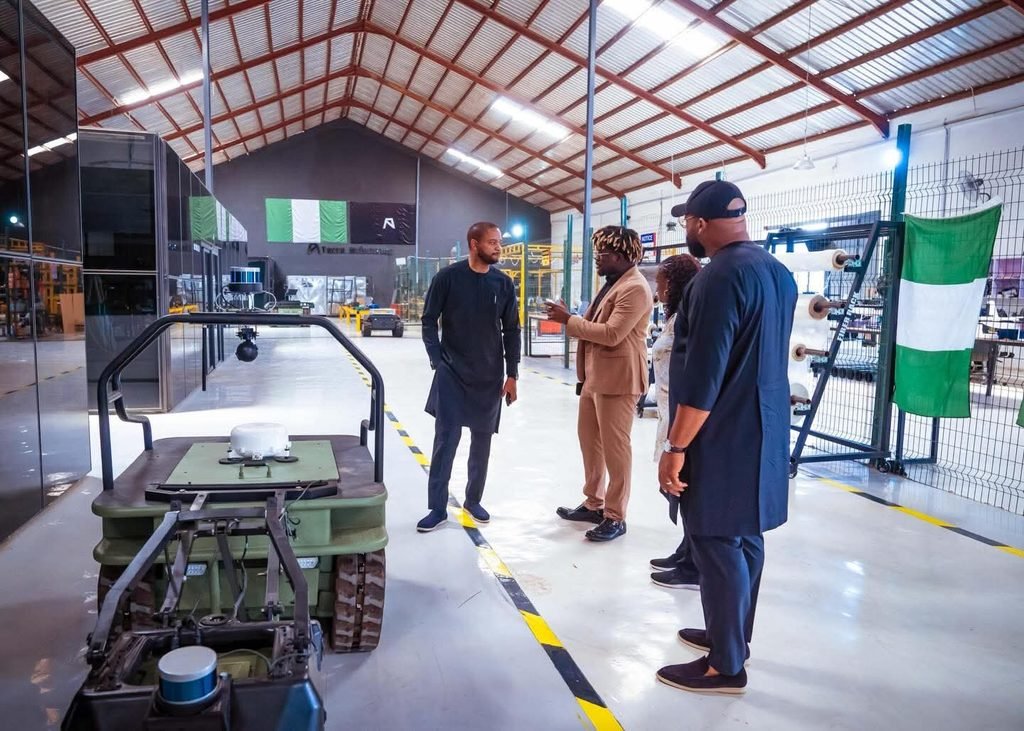
Picture Showing Terra Industries 15,000 Square Foot Drone and Robotics Manufacturing Factory Located in Idu Abuja – Photo Credit: Terra Industries
Terra Industries was founded in 2024 by two entrepreneurs then in their early twenties. Nathan Nwachuku (CEO) previously built an education technology platform that reached hundreds of thousands of users and represented Nigeria at the Physics Olympiad; he briefly studied software engineering before pivoting fully into entrepreneurship. Maxwell Maduka (CTO), who grew up in Nigerian naval barracks and served as a lead UAV engineer in the Nigerian Navy, had earlier founded Spatial Nova, a micro-drone company later acquired by Nord Motors. Their shared vision: end Africa’s heavy reliance on imported defense systems from China, Turkey, Russia, or the West by designing, manufacturing, and deploying autonomous systems on the continent itself.
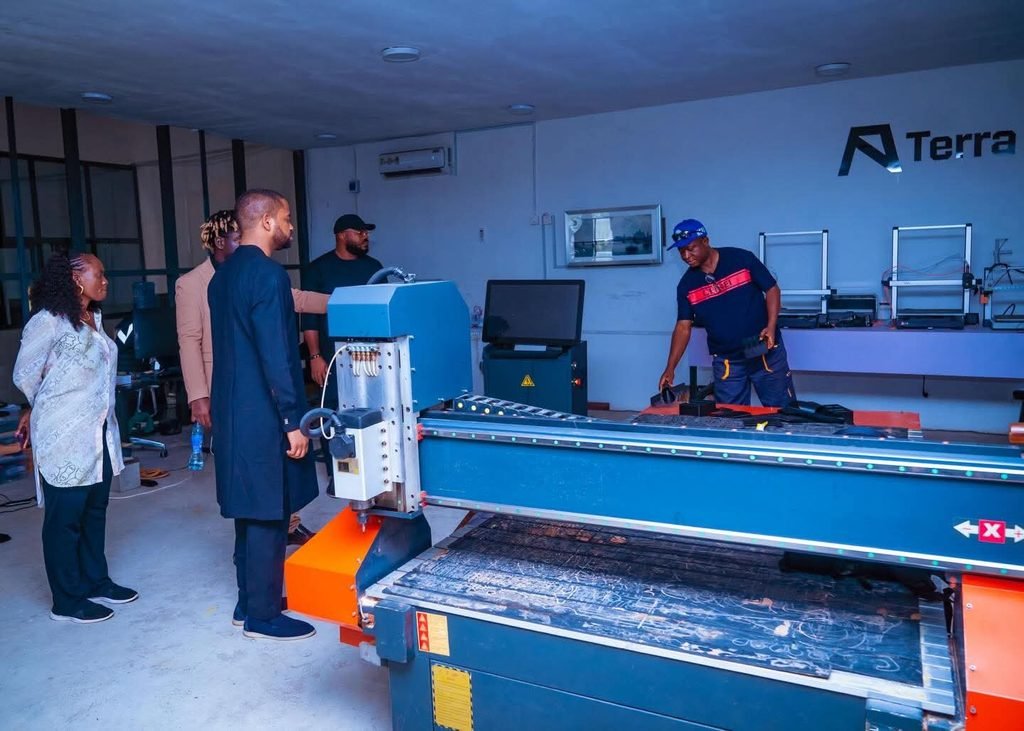
Picture Showing Terra Industries 15,000 Square Foot Drone and Robotics Manufacturing Factory Located in Idu Abuja – Photo Credit: Terra Industries
A 15,000-Square-Foot Defense Manufacturing Factory Located in Idu, Abuja
Terra Industries boasts of a 15,000-square-foot manufacturing plant called Pax-1 in Abuja’s Idu Industrial District, where the company develops autonomous systems for security and industrial applications.
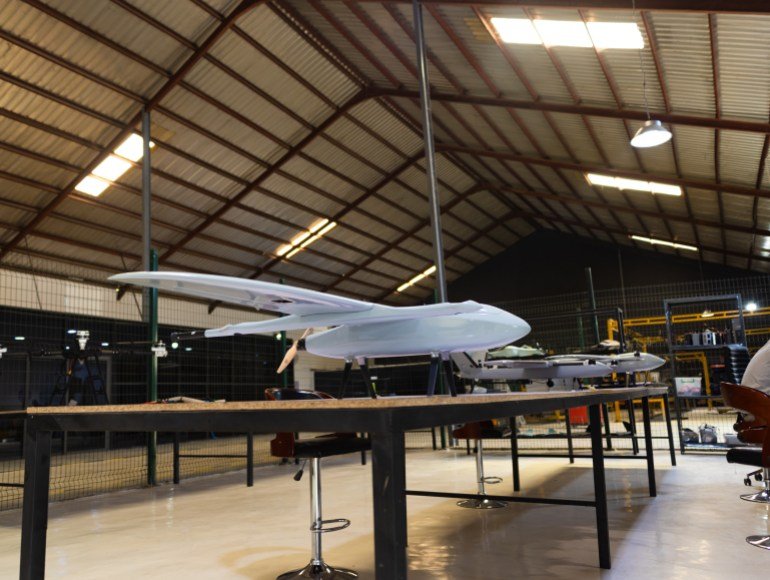
Photo Credit: Terra Industries
Pax-1 is a 15,000 square-foot manufacturing facility Located in Idu area of F.C.T Abuja, where the Nigerian technology company builds drones, ground robots and intelligent surveillance systems designed to help protect critical infrastructure in Nigeria, Africa and Worldwide.
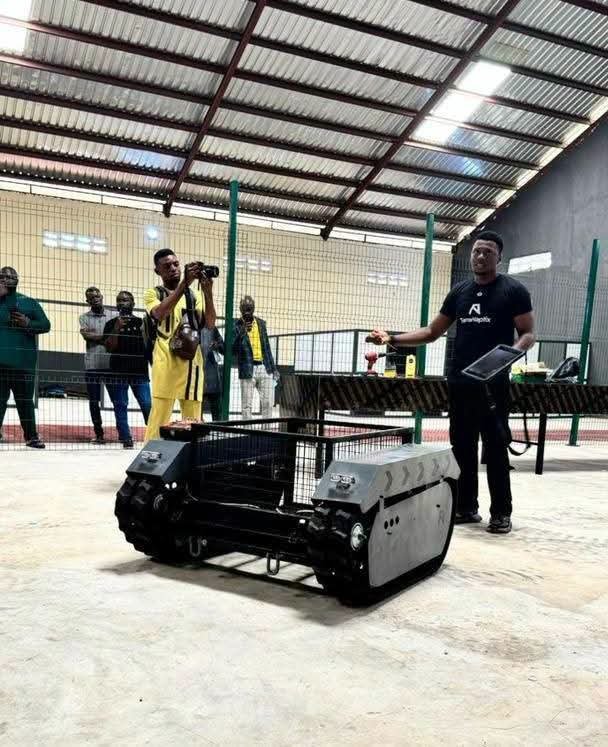
Photo Credit: Terra Industries
Pax-1 is Named after the founders’ “Pax Africana” vision of indigenous security, this site handles design, software development, airframe production, propellers, lithium-ion battery packs, and final assembly. Its work offers a glimpse into what Nigeria could achieve by investing more seriously in locally developed technology.
Expansion Currently Ongoing with Pax-2 in Ghana
In 2026, SeedufyTech reported how construction kicked-off on Pax-2, a 34,000-square-foot facility in Accra, Ghana set to become the largest drone manufacturing plant on the African continent. Once fully operational (targeted for late 2026 with full capacity by 2028), it will more than double Terra’s under-roof manufacturing space and create significant local employment.
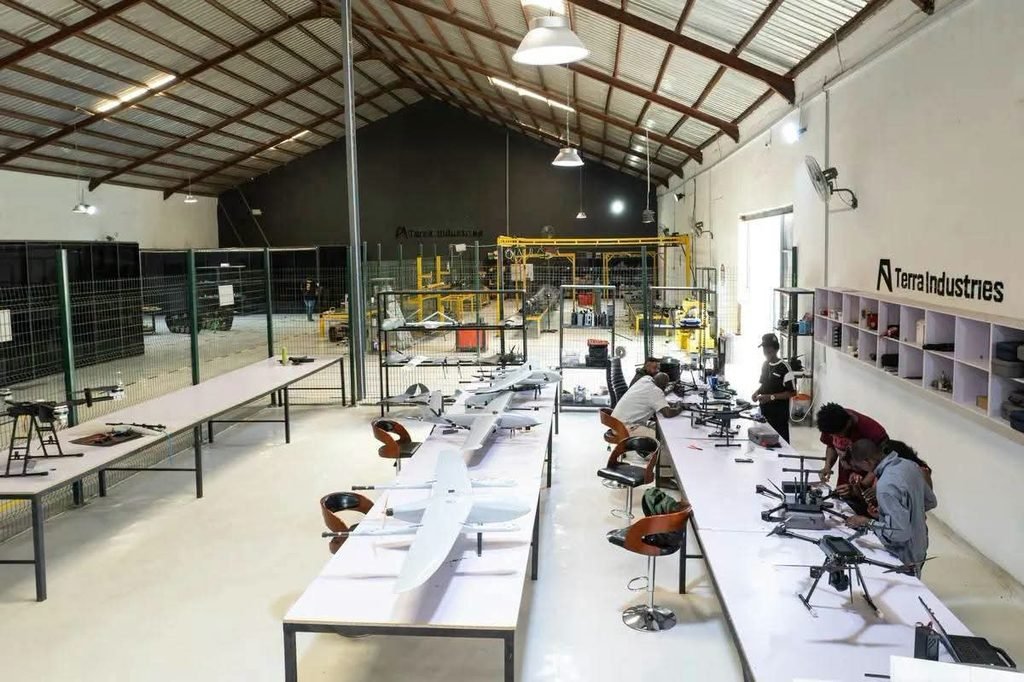
Photo Credit: Terra Industries
The company has also opened its first office outside Africa in London to access global defense institutions, talent, and capital markets, with additional presence planned in San Francisco and Washington, D.C. Manufacturing, however, remains firmly rooted in Africa, with longer-term plans for further hubs across the Gulf, South America, and South Asia.
Terra Industries Defense, Security and Surveillance Products
Terra Industries specializes in the production of high end technology products such as drones, ground robots and intelligent surveillance systems for defense, security and surveillance operations.
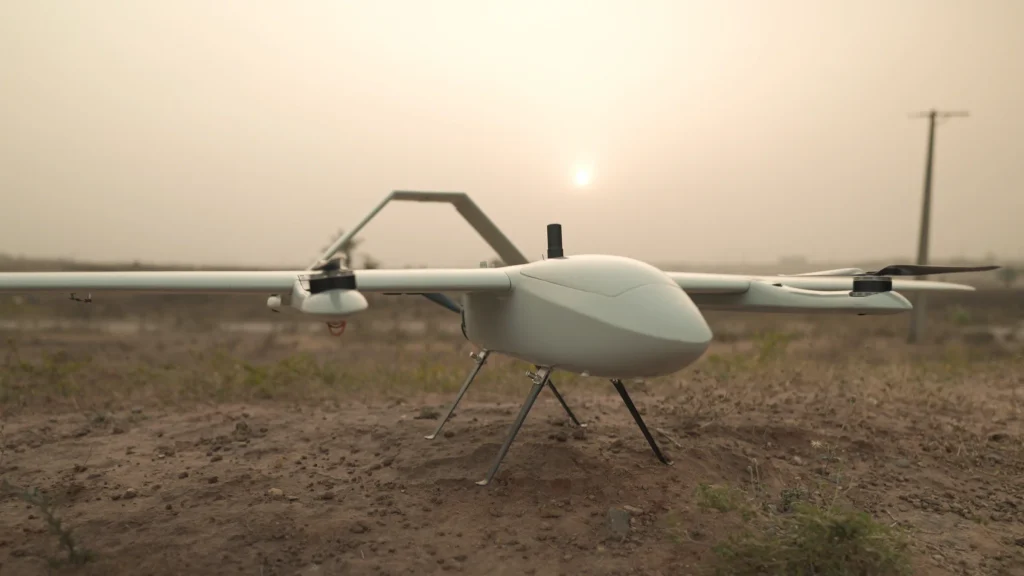
Photo Credit: Terra Industries
Terra does not sell isolated drones. It builds a family of air, land, and fixed systems unified by ArtemisOS, its proprietary AI-powered operating system.
ArtemisOS handles real-time data fusion, threat detection and classification, autonomous mission planning, command-and-control, and secure data storage, keeping intelligence sovereign rather than routed through foreign suppliers.
Key Terra Defense and Surveillance Products Include:
- Archer VTOL: A long-range vertical take-off and landing unmanned aerial vehicle designed for persistent surveillance and multi-mission roles over mines, pipelines, and borders. Specifications include up to 1,000 km range, 4-hour endurance, 20 kg payload capacity, carbon-fiber airframe, and speeds around 110 km/h. It is built for African heat, dust, and intermittent communications.
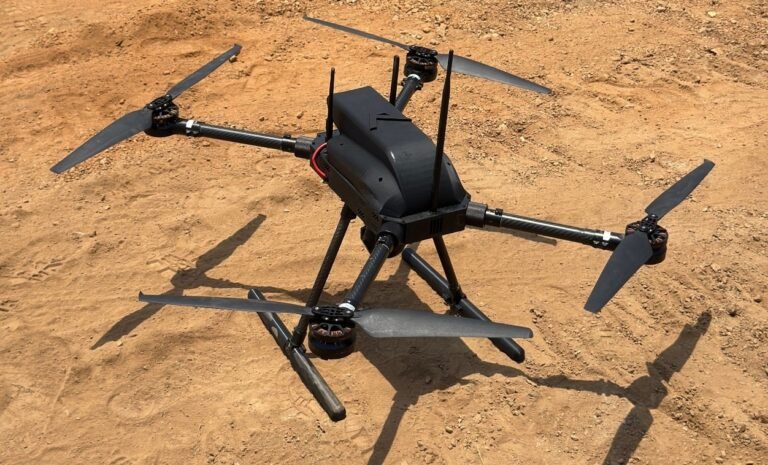
Picture Showing Terra Industries Archer VTOL Drone – Photo Credit: Terra Industries
- Iroko UAV: A modular, mass-producible quadcopter optimized for rapid tactical deployment, first response, infrastructure inspection, and short-range ISR. It features up to 50 km range, 50-minute endurance, 1.5 kg payload, and compatibility with EO/IR, LiDAR, and multispectral sensors.
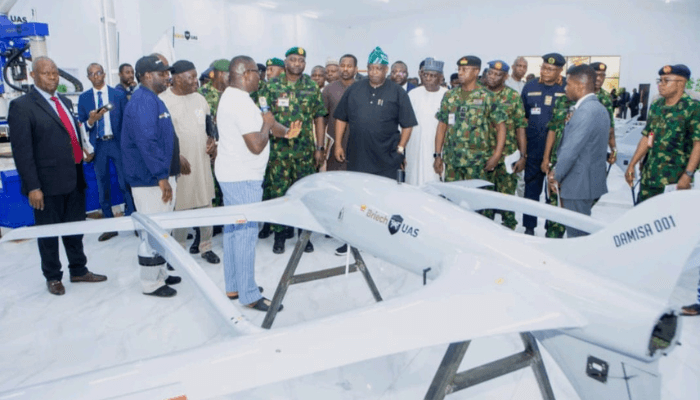
Picture Showing Terra Industries Iroko UAV Drone – Photo Credit: Terra Industries
- Kama: A high-speed interceptor drone developed for counter-UAV defense. Capable of reaching 300 km/h, it provides a kinetic option for neutralizing hostile drones where traditional air-defense systems are unavailable or too costly. It has undergone trials with several West African militaries.
Picture Showing Terra Industries Kama Drone – Photo Credit: Terra Industries
- Duma UGV: A tracked unmanned ground vehicle for surveillance and cargo. Weighing approximately 350 kg, it carries up to 600 kg payload, offers 24-hour endurance, 10 km control range, and speeds up to 45 km/h, with an open architecture for mission-specific configurations.
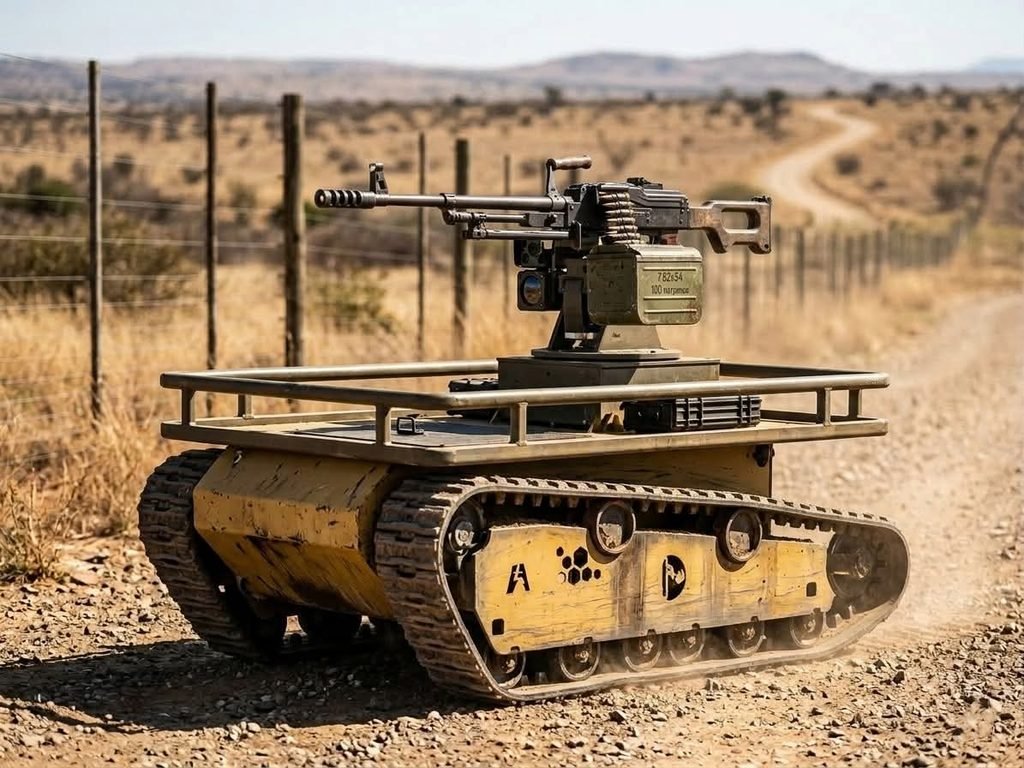
Picture Showing Terra Industries Duma UGV Drone – Photo Credit: Terra Industries
- Kallon Sentry Tower: A solar-powered, AI-enabled fixed surveillance tower providing 360° coverage, detection ranges up to 3 km with observation distance of up to 5 km, edge processing, and 24/7 operation without grid power making it ideal for remote pipelines, borders, and industrial sites.
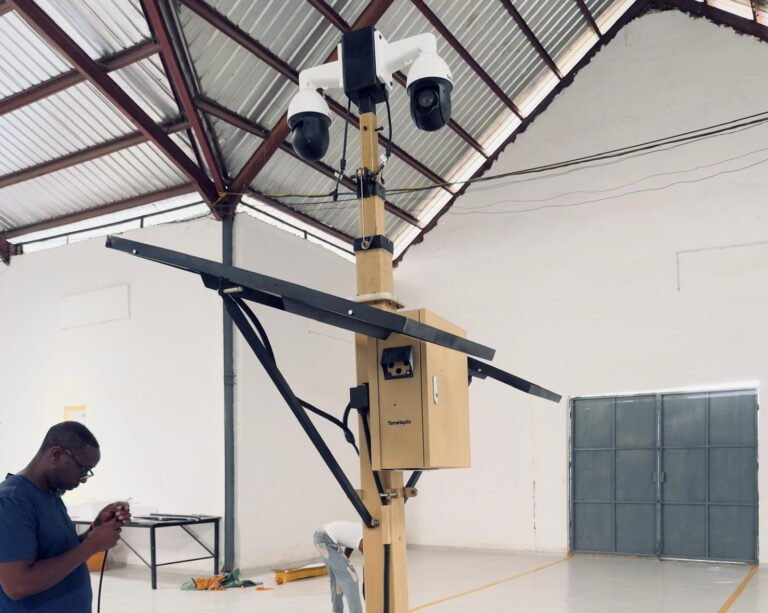
Picture Showing Terra Industries Kallon Sentry Tower – Photo Credit: Terra Industries
These impressive technologies show that modern robotics is not limited to flying machines. A combination of aerial drones, ground robots, sensors and software can help organisations monitor and manage complex environments more effectively.
Manufacturing Workforce
Terra’s manufacturing strategy prioritizes scale, local talent, and resilience. The Abuja Pax-1 facility already supports daily production of Archers, Irokos, and Kama prototypes.
Its workforce emphasizes African engineering talent. 40% of its engineering team has prior service in the Nigerian Army with Maduka’s naval background further anchoring operational realism.
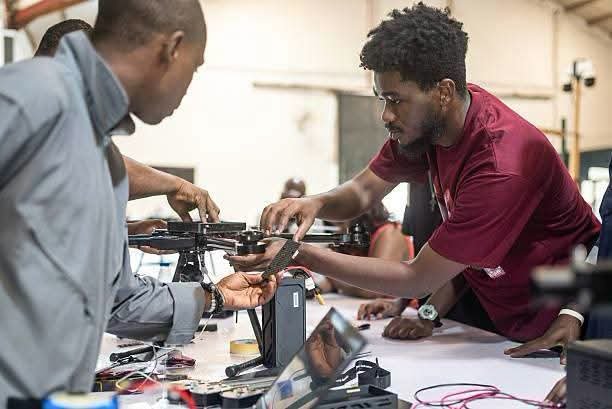
Picture showing drone Manufacturing Currently Ongoing at Terra Industries – Photo Credit: Terra Industries
The company also hires software engineers specializing in ArtemisOS, vehicle systems, autonomy, ground systems, and perception roles primarily based in Abuja.
Growth plans include expanding engineering, operations, and business development teams across Africa and the new international offices as Pax-2 (currently under-development in Ghana) is designed for high-volume output of the latter two systems, targeting 50,000 aerial units annually by 2028 and creating 120 engineering jobs on continuous production schedules. Combined under-roof capacity will exceed 4,500 square meters.
By keeping manufacturing on the continent, Terra aims to build not just products but a sustainable defense industrial base and skilled workforce.
Achievements and Funding Raises
In less than three years, Terra has secured contracts protecting critical infrastructure valued at approximately $11 billion across multiple African countries including Nigeria, Ghana, and others and Canada.
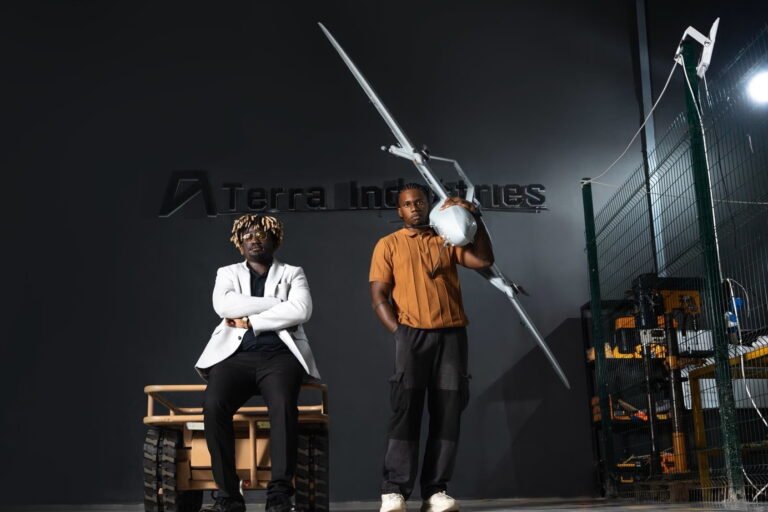
Picture Showing Terra Industries Founders Nathan Nwachuku and Maxwell – Photo Credit: Terra Industries
Deployments cover hydroelectric plants, gold and lithium mines, oil facilities, and power infrastructure. The company projects more than $100 million in contract bookings for 2026, with revenue already moving into eight figures up from roughly $2.5 million earlier.
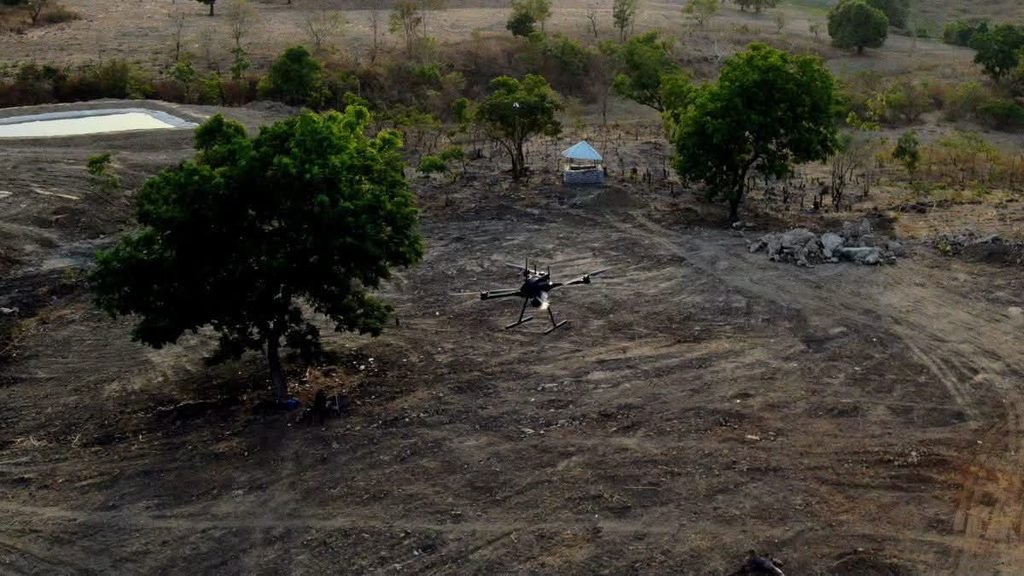
Picture Showing Terra Industries Surveillance Drone in Aerial Action – Photo Credit: Terra Industries
Strategic milestones include a memorandum of understanding with Nigeria’s Defence Industries Corporation of Nigeria (DICON) for a joint venture on local production, assembly, R&D, and training in drones, robotics, and cybersecurity. A partnership with Saudi Arabia’s AIC Steel established Terra’s first manufacturing expansion outside Africa, focused on surveillance systems for energy and industrial assets.

Picture Showing Terra Industries Co-founder and CEO Nathan Nwachuku and DICON Director- Photo Credit: Terra Industries
On the funding front, Terra closed Africa’s largest seed round at $52 million across three tranches in eight months of 2026: $11.75 million in January led by 8VC, the firm co-founded by Palantir’s Joe Lonsdale, with participation from Valor Equity Partners, Lux Capital, and others, a $22 million extension in February led by Lux Capital (taking the total to $34 million and valuing the company in the nine-figure range), and a final $18 million top-up in August. Investors include 8VC, Lux Capital, Silent Ventures, Nova Global, Belief Capital, SV Angel, Norleo Space Investments, and others. Capital is directed toward manufacturing scale-up, international offices, team growth, and deployments across the Global South.
Can Terra Industries Defense, Security and Surveillance Products put an End to Insecurity in Africa?
Terra Industries’ defense, security, and surveillance products cannot put an end to insecurity in Africa on their own but they can meaningfully reduce certain threats and strengthen protection of critical assets in Africa.
Terra Industries manufactures autonomous multi-domain systems tailored for African and Global South conditions. Its portfolio includes the Archer VTOL long-range surveillance drone, Iroko tactical UAV, Kama counter-drone interceptor, Duma unmanned ground vehicles, and Kallon solar-powered sentry towers. These are integrated through ArtemisOS, an AI-powered command-and-control and data-intelligence platform that enables real-time threat detection, analysis, and coordinated response.
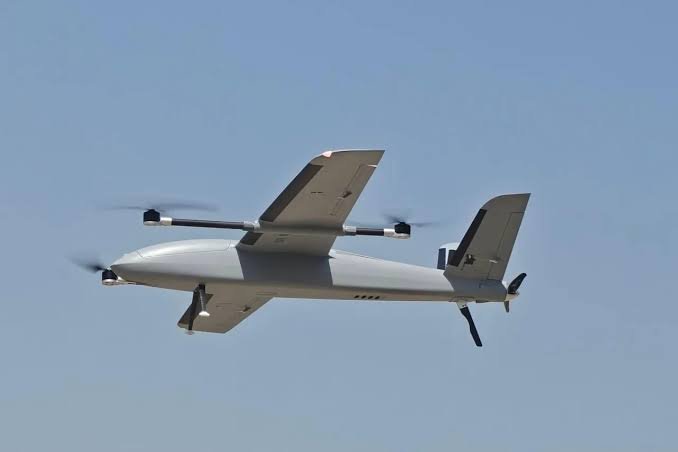
Picture Showing Terra Industries Kama Drone in Aerial Action – Photo Credit: Terra Industries
The company has already secured significant traction by successfully closing commercial defense, security and surveillance contracts to protect infrastructure assets including power plants, mines, and other critical sites valued at around $11 billion across multiple African countries, including Nigerian lithium mines.
However, insecurity across Africa is multi-causal and deeply rooted. It involves jihadist insurgencies especially in the Sahel, banditry, intercommunal conflict, weak governance and institutions, porous borders, corruption, economic exclusion, climate-driven resource competition, and limited state capacity in many regions. Hardware and software alone cannot resolve these drivers.
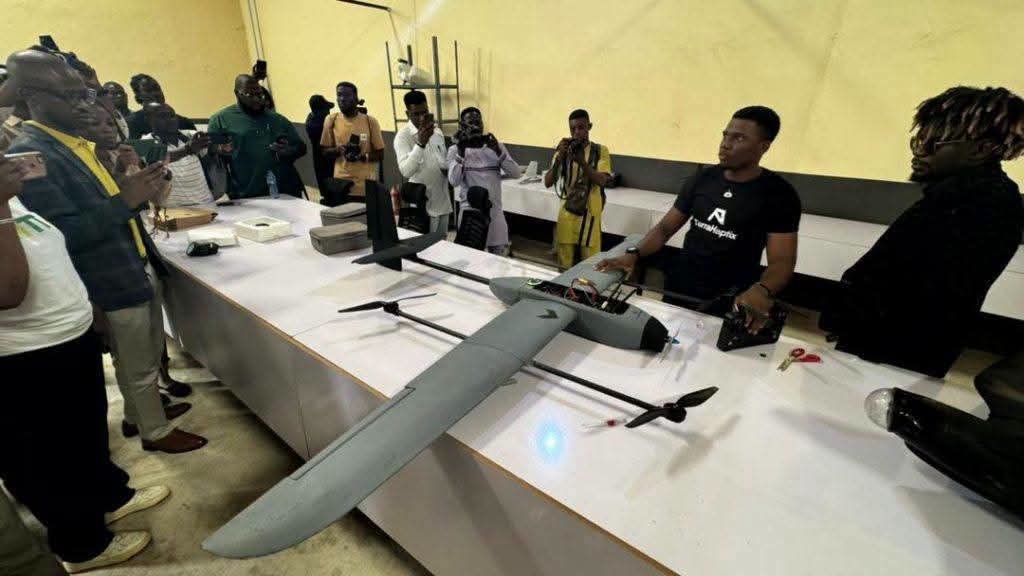
Picture Showing Drone Manufacturing Currently Ongoing at Terra Industries
Terra’s partnership with entities such as Nigeria’s Defence Industries Corporation (DICON) focuses on local production and supply-chain independence by providing persistent, relatively affordable autonomous surveillance and rapid response that traditional forces often struggle to maintain over vast or remote areas. In that sense, they can lower losses, deter opportunistic attacks, free up human resources, and contribute to greater technological sovereignty.
What Does The Future Hold for Terra Industries?
Terra’s products represent a promising, Africa-focused contribution to the security toolkit and can help secure vital economic assets while building local industrial capacity. They are a valuable part of a broader strategy, not a silver bullet that can end insecurity continent-wide.
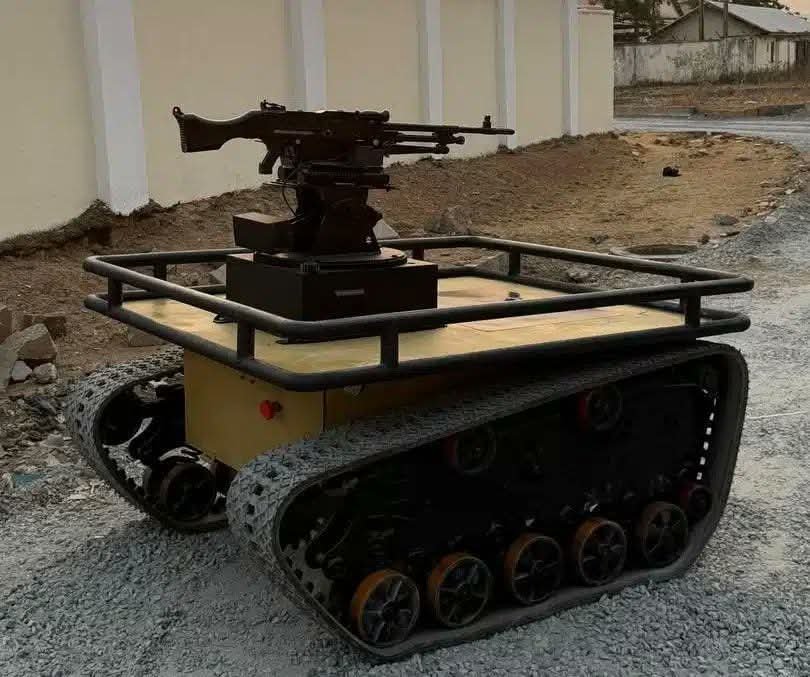
Picture Showing an Autonomously Controlled Unmanned Vehicle for Military Operations Showcased at Terra Industries
Consider Nigeria’s farms, oil and gas facilities, mining sites, power infrastructure and other critical assets. Many occupy large areas, while some are located in difficult-to-access environments.
Appropriately equipped drones can assist with agricultural monitoring and infrastructure inspections. Ground robots can support operations in hazardous locations, while surveillance systems can provide additional visibility around vulnerable facilities.
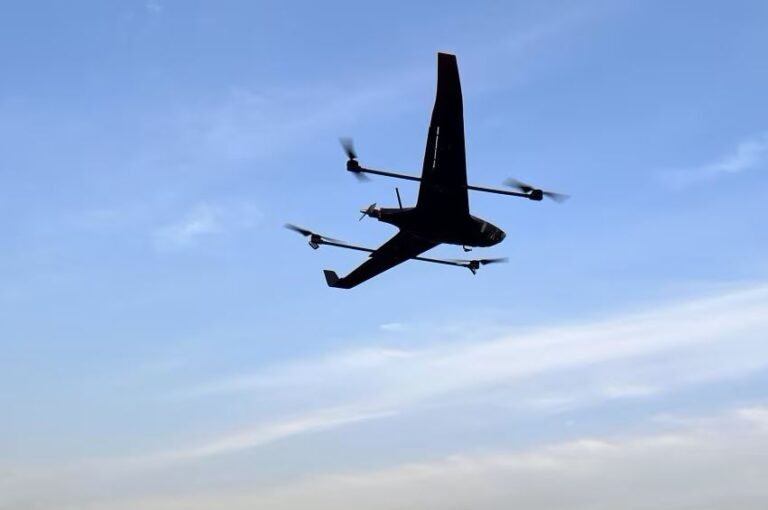
Picture Showing Terra’s Super Kama Drone in Aerial Action – Photo Credit: Terra Industries
These capabilities could also contribute to Nigeria’s broader security efforts by helping authorised personnel identify potential threats and assess situations before responding.
However, technology alone cannot eliminate insecurity. Reliable communications, trained operators, effective response systems and responsible deployment remain essential.
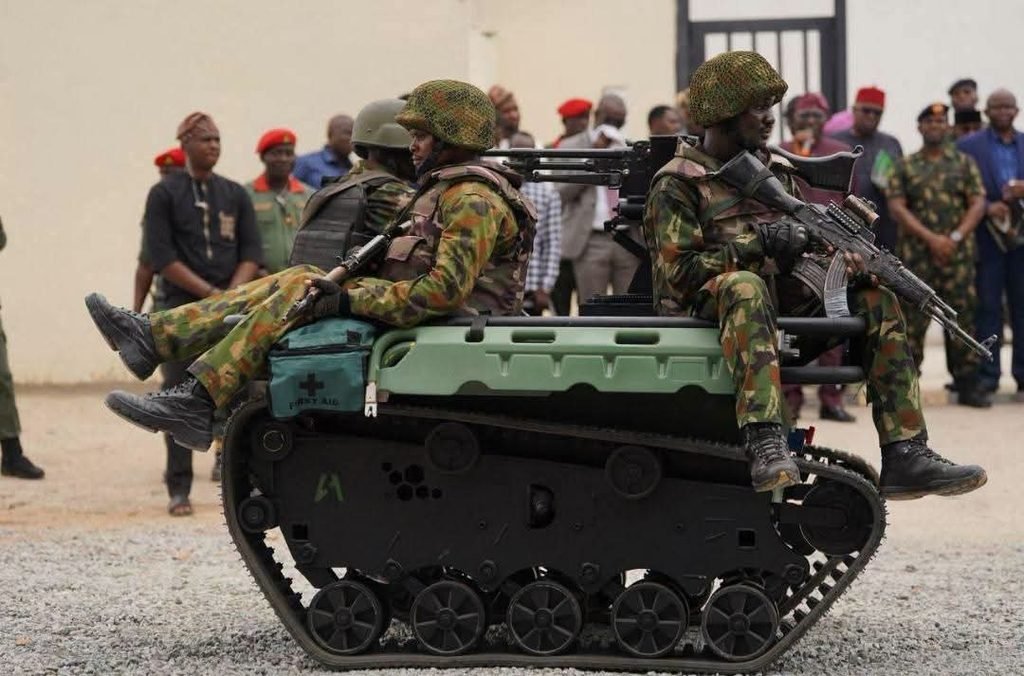
Picture Showing Nigerian Military Personnel Seated on Terra Industries Unmanned Vehicle – Photo Credit: Terra Industries
Technology must be paired with effective intelligence, trained and accountable security forces, political will, regional cooperation, development, and justice-system reforms.
Terra Industries’ factory in Idu, Abuja, is an important development to watch. Its long-term significance will depend not only on the number of machines it produces, but also on the engineering capabilities it develops, the value it creates locally and the problems its technology helps solve.
Beyond the products themselves, there is a bigger opportunity for Nigeria. This comes as developing domestic capabilities in robotics, electronics, engineering and software could create skilled employment, strengthen technical expertise and open opportunities for local suppliers.
As Nigeria continues to confront security challenges and pursue industrial growth, investing in homegrown technology could help strengthen both infrastructure protection and local technical expertise. The real opportunity lies in turning innovation into practical solutions that serve the country’s needs.