In a significant move to boost digital learning and reduce barriers to education, the Federal Government has announced that eligible Nigerian students will receive 100MB of free data daily starting October 1, 2026. The data is specifically for accessing approved educational websites and digital learning platforms.
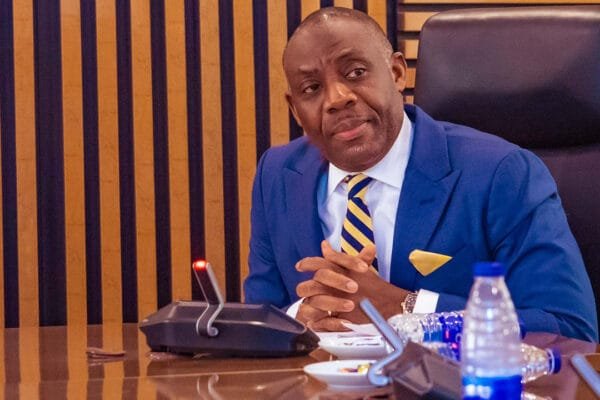
The initiative, formally known as the Initiative for Zero-Rated Access to Educational Platforms and Content in Nigeria, was unveiled in Abuja by the Minister of Education, Dr Tunji Alausa. It is being implemented by the Nigerian Communications Commission (NCC) in partnership with the Federal Ministry of Education and major telecommunications operators.
The programme will initially target students in public senior secondary schools and public tertiary institutions. There are plans to expand it later to other categories of learners. Officials have indicated it could reach about five million eligible students at launch.
Eligibility is expected to rely on verified enrolment records linked to education data systems and identity information such as the National Identification Number (NIN). Students will not automatically qualify simply by being Nigerian or having a phone line—they must be confirmed as currently enrolled in an eligible institution.
How the Free Data Works
Participating mobile network operators (including MTN Nigeria, Airtel Nigeria, and Globacom) will provide a daily 100MB zero-rated data allowance. This means the data can only be used on government-approved educational platforms and websites—it will not cover social media, general browsing, streaming, or other non-educational sites.
The 100MB daily allocation adds up to roughly 3GB per month. NCC officials have described this volume as meaningful for accessing learning materials while keeping the scheme sustainable.
Approved Platform Categories
The NCC and Federal Ministry of Education will jointly approve and whitelist platforms. Expected categories include:
- Learning management systems
- Digital libraries
- Educational repositories
- Teacher development/training platforms
- Technical training platforms
- Vocational training platforms
Only platforms that receive joint approval will qualify for the zero-rated access.
Dr Alausa highlighted that the cost of internet data remains a major obstacle for many students, especially those from low-income households and underserved communities. By removing data charges for educational content, the government aims to turn smartphones, tablets, and computers into effective tools for learning, research, and skills development.
The initiative is valued at an estimated ₦180 billion annually in data equivalent based on the scale of five million students receiving 100MB daily. It forms part of broader efforts to improve digital inclusion and support the Nigeria Education Sector Renewal Initiative.
What Students Should Do Next
As of mid-September 2026, full operational details and exact activation process, how students will be verified, and the final list of approved platforms are still being finalised. Students and institutions should:
- Ensure enrolment records are accurate and up to date.
- Confirm they have a valid NIN linked to their identity.
- Monitor official announcements from the NCC, Federal Ministry of Education, and their school or institution.
- Watch for updates from MTN, Airtel, and Globacom on how the free data will be activated on their networks.
This zero-rated data scheme represents a practical step toward making digital education more accessible. While 100MB per day is modest compared to heavy streaming or social media use, it is a targeted allocation designed specifically for learning and for many students, it could make a real difference in accessing quality educational resources without the constant worry of data costs.
Stay tuned to SeedufyTech for the full rollout details as October 1 approaches.