As Nigeria prepares for its 2027 general elections, the Nigeria Police Force is intensifying efforts to combat artificial intelligence-generated disinformation, particularly deepfakes, voice cloning, and coordinated online manipulation.
The Force also disclosed that it had carried out targeted raids on phone farms and arrested suspects involved in creating deepfake content to manipulate online conversations, adding that the police had established measures to identify people behind manipulated content, verify suspicious information and preserve electronic evidence for possible prosecution.
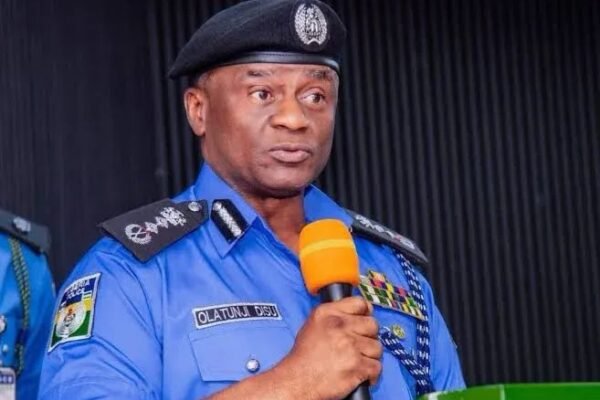
The Inspector-General of Police, Tunji Disu, gave the warning through an Assistant Commissioner of Police, Bashir Abdullahi, during The PUNCH webinar on artificial intelligence, misinformation and Nigeria’s 2027 elections on Wednesday.
Speaking at a PUNCH Media Foundation webinar on “AI Misinformation and Nigeria’s 2027 Elections,” Assistant Commissioner of Police Bashir Abdullahi (representing Inspector-General of Police Tunji Disu/Olatunji Disu) outlined the Force’s approach.
He said: “The police have strengthened cyber intelligence operations and digital forensics through the National Cybercrime Centre, established after the 2023 polls. They have also acquired cybersecurity tools claimed to detect deepfakes, cloned voices, and other AI manipulations with up to 99% accuracy”
The police Chief revealed partnerships with major technology companies, including Meta (parent of Facebook, Instagram, and WhatsApp) and TikTok, to identify and track individuals behind suspicious content.
The move comes amid growing concerns that generative AI could be weaponized to mislead voters, impersonate candidates or officials, spread false announcements, or even fabricate claims of election postponements in the critical final days before voting.
Deepfakes and related AI tools allow the creation of highly realistic videos, audio, and images that make public figures appear to say or do things they never did. Voice cloning can produce convincing audio of candidates issuing endorsements, threats, or inflammatory statements.
Manipulated photos of rallies can distort perceptions of support, while coordinated “phone farms” facilities using hundreds of devices and automated bot accounts can artificially amplify narratives to create the illusion of widespread public opinion.
These tactics build on lessons from the 2023 elections and global trends in election interference.
The Independent National Electoral Commission (INEC) has repeatedly flagged generative AI, synthetic media, and deepfakes as major risks that could undermine public confidence.
In line with this, INEC has established a specialized AI unit within its ICT Directorate for real-time monitoring and detection, and it has engaged partners such as Microsoft which plans to use the official candidate list to restrict misleading image generation and Google.
Police officials have already started investigating real cases. One case recently involved a suspect in Benin, Edo State, arrested for creating a manipulated video depicting President Bola Tinubu making statements he never uttered; the individual reportedly claimed it was “just to trend.” Officers have also conducted targeted raids on phone farms and taken other suspects into custody over false information about political candidates.
Key Elements of the Strategy Include
1. Direct collaboration with platforms
Police now “shake hands” with Meta, TikTok, and other social media companies. When suspicious content appears, investigators can request user particulars, the geographic origin of the post, content removal, and evidence preservation. Operational teams are then positioned to act on the ground for arrests and prosecution.
2. Proactive investigation and forensics:
Focus on cyberstalking, impersonation, criminal intimidation, threats, and incitement where legal thresholds are met. Digital forensic examination of AI-generated audio, video, and images is already underway.
3. Broader Coordination:
Work with INEC, the National Broadcasting Commission (NBC), National Orientation Agency (NOA), civil society, media organizations, and other stakeholders. Information on critical electoral matters (such as postponements) must come from INEC alone.
4. Balancing rights:
Officials stressed that the campaign is not a pretext to suppress legitimate political expression or dissent protected by the Constitution. Arrests follow proactive information-gathering rather than reactive overreach, and electronic evidence is preserved carefully when intent or impact is unclear.
Abdullahi emphasized readiness: “This time around, whenever any information of this nature appears on our social media platform, we are going to immediately cross-check with these tech companies to tell us who is behind this information.”
These police efforts sit within a wider ecosystem of preparations.
This comes as INEC has upgraded its electoral systems like BVAS, enhanced result verification with cryptographic authentication and AI auditing with mandatory human oversight, and is developing an AI governance framework.
Forums involving tech firms, civil society, Yiaga Africa and others have produced commitments around content labeling, rapid removal of synthetic impersonations, stronger moderation in Nigerian languages, and capacity-building for security agencies and the judiciary in digital forensics.
The 2027 elections will test Nigeria’s ability to safeguard electoral integrity in the age of accessible generative AI. The police partnerships with Meta, TikTok, and other platforms, combined with forensic tools, INEC’s AI unit, and multi-stakeholder coordination, represent a more structured response than in previous cycles.
Success will depend on rapid response times, effective prosecution where offenses are proven, continued investment in technical capacity, and public media literacy—encouraging citizens to verify information from official sources before sharing.
As ACP Abdullahi noted, the goal is to protect the vote without chilling free expression.
Nigerians, platforms, security agencies, and electoral authorities share responsibility for ensuring that technology serves democracy rather than undermining it. With months still remaining before the polls, the systems being put in place will determine whether deepfakes become a manageable risk or a defining threat to the process.