
Wearable robotics are gradually moving from research labs and niche medical use into mainstream industrial, logistics, healthcare, and defense settings.
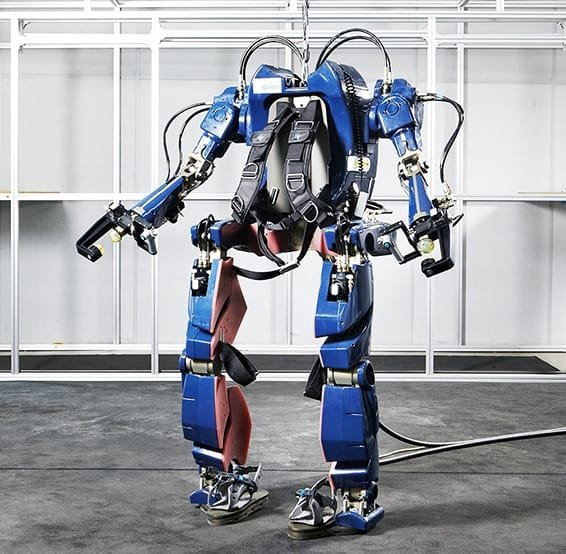
Wearable robots primarily consist of exoskeletons and soft robotic suits unlike fully autonomous humanoid robots that aim to replace human labor, these systems augment people.
They reduce physical strain, extend working capacity, cut injury rates, and enable higher output while keeping humans in control. The result is a practical path to higher productivity, new revenue streams across the value chain, and net job creation rather than wholesale displacement.
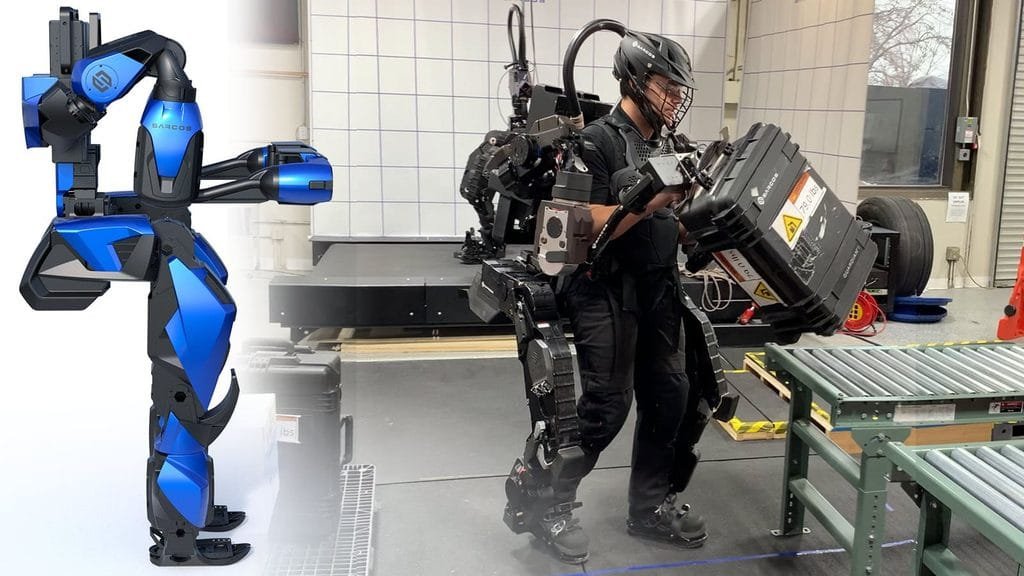
Today, researchers and companies across the world are increasingly talking about augmentation instead of automation. This makes more sense and carries humans along in the robot revolution as a powered brace might take some load off an arthritic knee, and robotic shorts could make an older person’s daily walk less exhausting. While other exoskeleton devices are designed for a wide range of users, including young adults hoping to go farther and faster.
Last October, Nike unveiled a prototype ‘powered footwear’ system called Project Amplify, which is aimed at everyday athletes, and tourists in China.
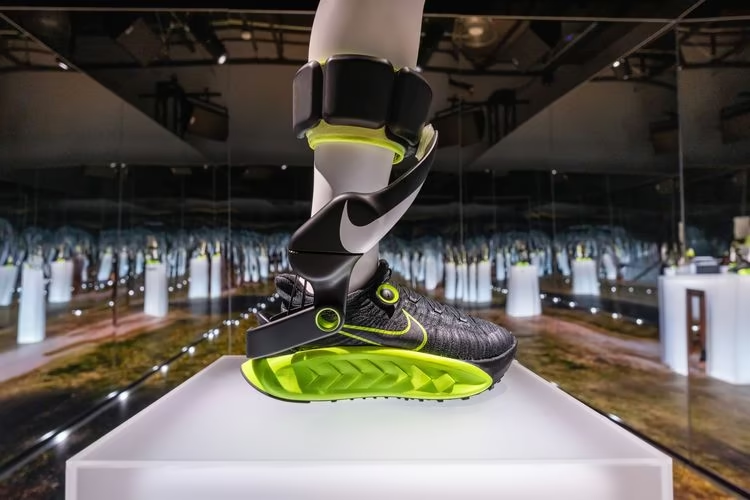
With Project Amplify, users can rent exoskeletons during a visit to a hilly section of the Great Wall.
Nike’s project Amplify is engineered to augment natural lower leg and ankle movement. The project Amplify system breaks the perception of possibility by providing an unparalleled boost to anyone who wants to move, creating a new future for running, jogging and walking.

The State of Wearable Robotics in the World Today
The global wearable robots and exoskeletons market is expanding rapidly. Estimates place the 2025 market size in the range of roughly USD 1.2–5.3 billion, depending on the exact definition and inclusion of powered versus passive systems.
Projections show strong growth margins with forecast showing the market rising from USD 5.30 billion in 2025 to USD 6.83 billion in 2026 and reaching USD 24.28 billion by 2031 at a CAGR of about 28.9% driven by falling component costs, better batteries and actuators, AI-enabled control, and rising demand from aging populations and labor shortages.
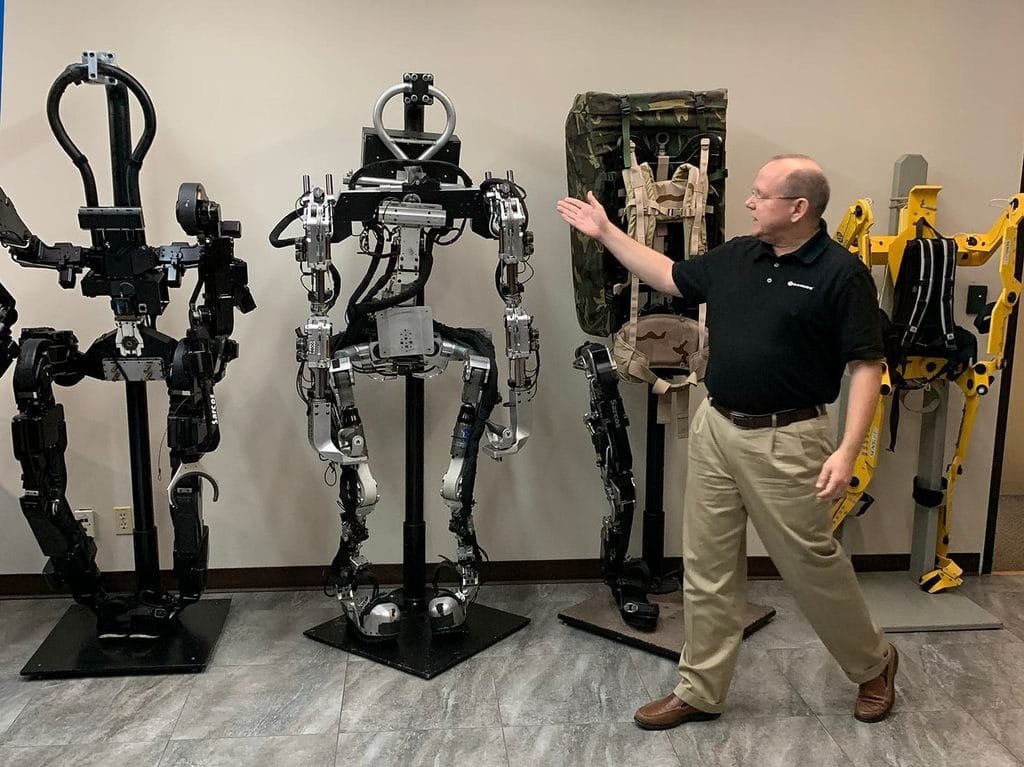
Today, North America currently leads in wearable robotics with roughly 40% of revenue, supported by strong healthcare infrastructure, FDA clearances, defense spending, and industrial adoption.
Asia-Pacific is the second fastest-growing region with roughly 30% of revenue, fueled by manufacturing scale-up in China, South Korea, and Japan, plus government support for rehabilitation and industrial safety. While Europe maintains solid activity through companies focused on both medical and occupational systems.
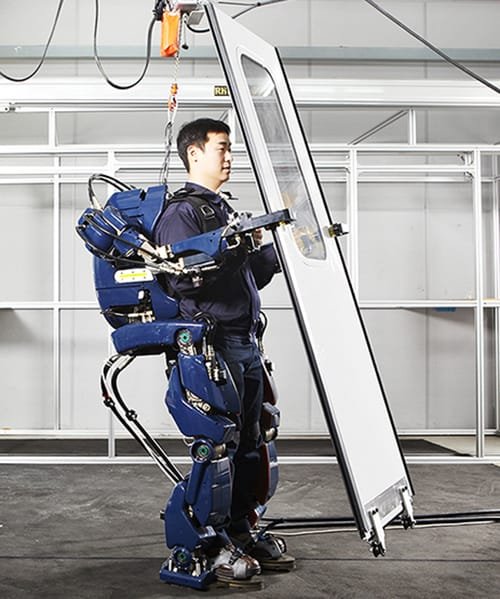
Key players include Cyberdyne (HAL systems), ReWalk Robotics (Lifeward), Ekso Bionics, Sarcos Technology and Robotics, Ottobock (including SuitX), Honda, Hyundai, German Bionic, Parker Hannifin, and others.
Powered (active) wearable robotic systems account for the majority of revenue while passive designs are growing quickly due to lower cost and simpler deployment.
Healthcare remains the largest end-use segment (often 40–45%), followed by rising industrial, logistics, and military applications with Defense budgets increasing the demand for soldier augmentation.
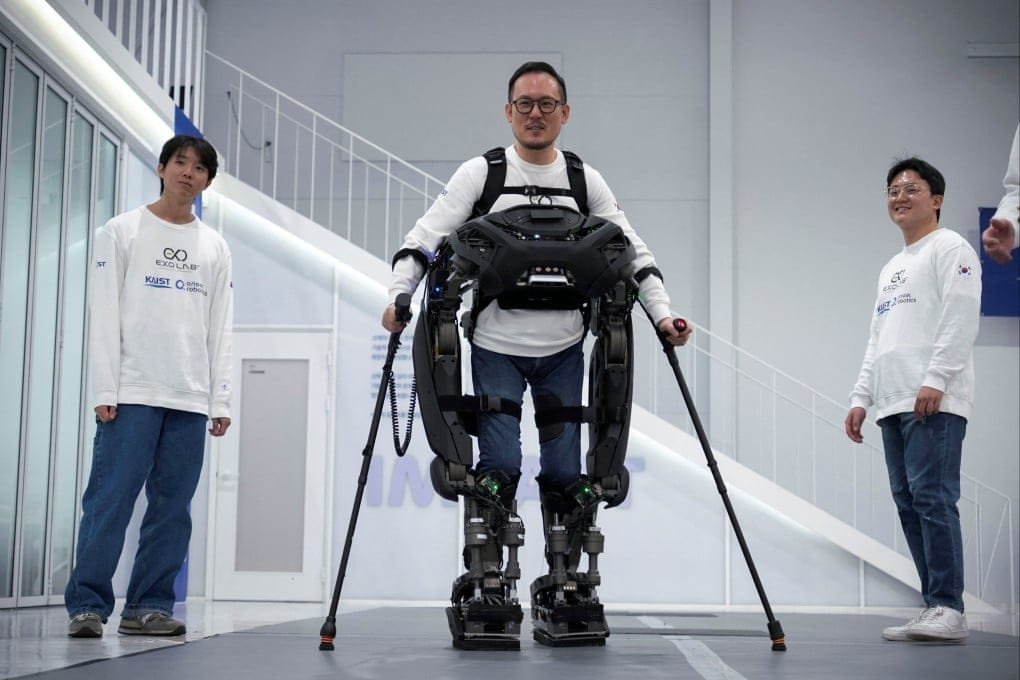
Overall, wearable robotic Technology has moved past pure prototypes into commercial pilots and early deployments across factories, warehouses, rehabilitation centers, and military settings.
Types and Features of Wearable Robotics
Wearable robotics are classified along several axes:
– Power source / actuation :
– Active (powered) systems use electric motors, hydraulics, pneumatics, or cable-driven actuators and require batteries or external power. They deliver significant force assistance and are dominant in revenue.
- Passive systems rely on springs, dampers, or mechanical structures to store and release energy or redirect loads; they are lighter, cheaper, and need no power.
– Hybrid designs combine both.
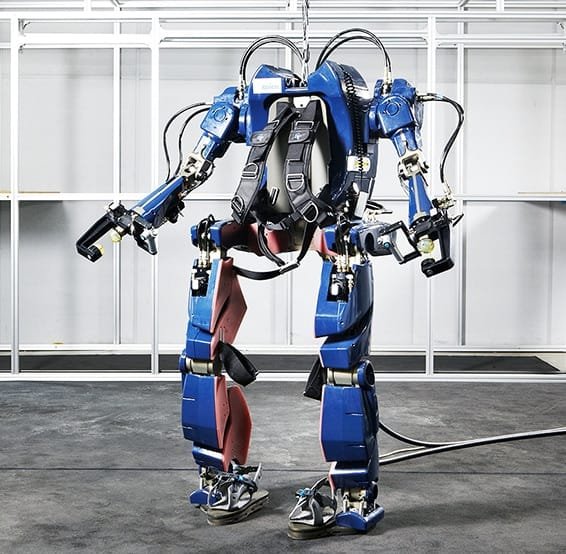
Structure:
– Rigid exoskeletons use metal or composite frames aligned with the skeleton for precise force transmission and high load capacity.
– Soft systems (exosuits) use textiles, cables, and compliant actuators that work in parallel with the body; they are lighter, more comfortable for prolonged wear, and less restrictive of natural movement.
– Hybrid rigid-soft designs are emerging.
Body region:
– Lower-extremity (hips, knees, ankles) for walking, standing, and load-bearing.
– Upper-extremity (shoulders, elbows, wrists, hands) for lifting, overhead work, and fine motor tasks.
– Full-body or multi-joint systems.
– Specialized hand/glove devices.
- Purpose: Rehabilitation (repetitive, precise therapy), assistance (daily living or occupational support), and performance augmentation (strength, endurance, or reduced fatigue).
Core features across modern systems include sensors (IMUs, force, EMG, pressure) for real-time intention detection and adaptive control; AI or task-agnostic algorithms that estimate user effort and supply proportional assistance; lightweight materials; modular designs; and increasingly longer battery life or passive operation.
Many industrial models emphasize ergonomics, quick donning/doffing, and integration with existing workflows. Soft systems and newer actuators aim for a “wearable e-bike” feel that provides assistance without rigid constraint rather than full super-strength suits.
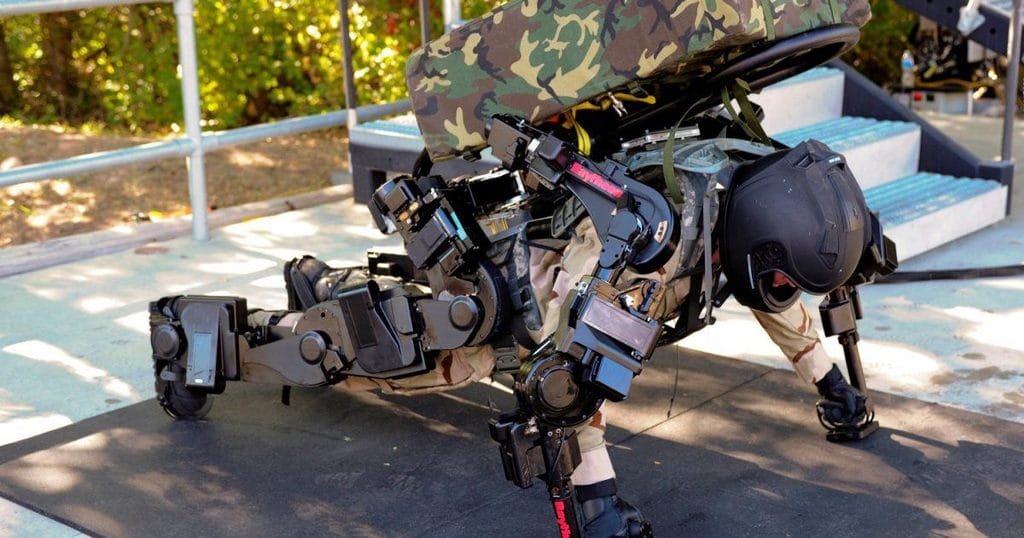
What are the Areas for Wearable Robotic Applications to Increase Human Productivity?
Wearable robotics boost productivity by reducing fatigue and injury risk, enabling workers to handle heavier loads or work longer with less strain, improving precision and consistency in rehabilitation or skilled tasks, and allowing aging or partially impaired workers to remain productive. Areas for Wearable Robotic applications include:
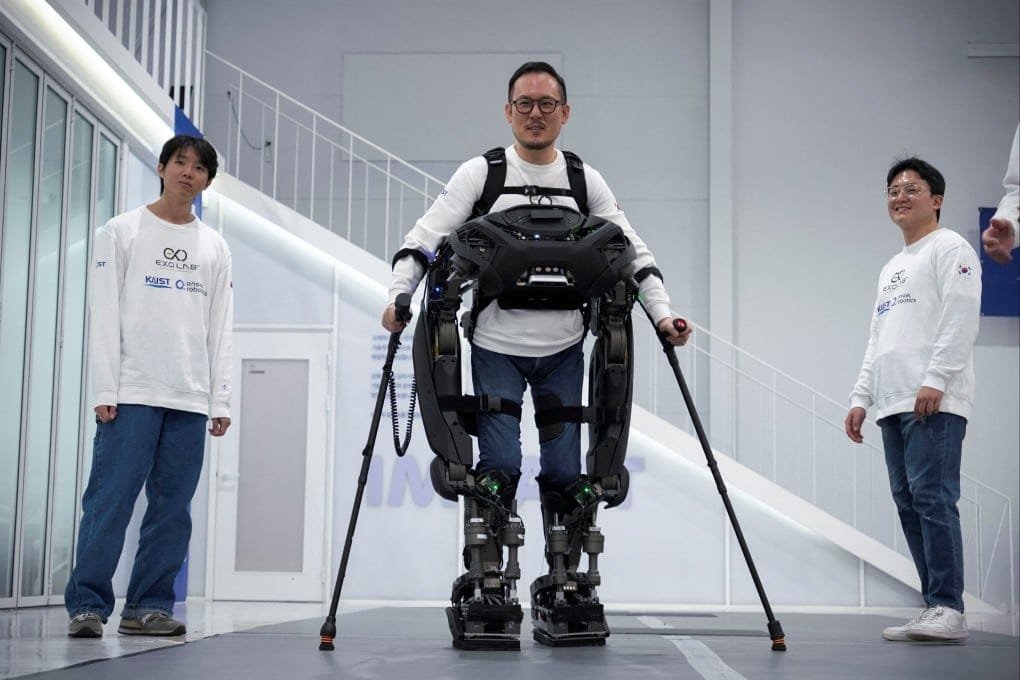
Healthcare and rehabilitation: Lower- and upper-limb systems support gait training for stroke, spinal-cord injury, and neuromuscular patients. They deliver consistent, measurable therapy that can accelerate recovery and free therapists for higher-value work. Assistive devices help elderly or disabled individuals with daily activities, reducing caregiver burden and supporting independent living thereby, indirectly expanding the productive workforce.
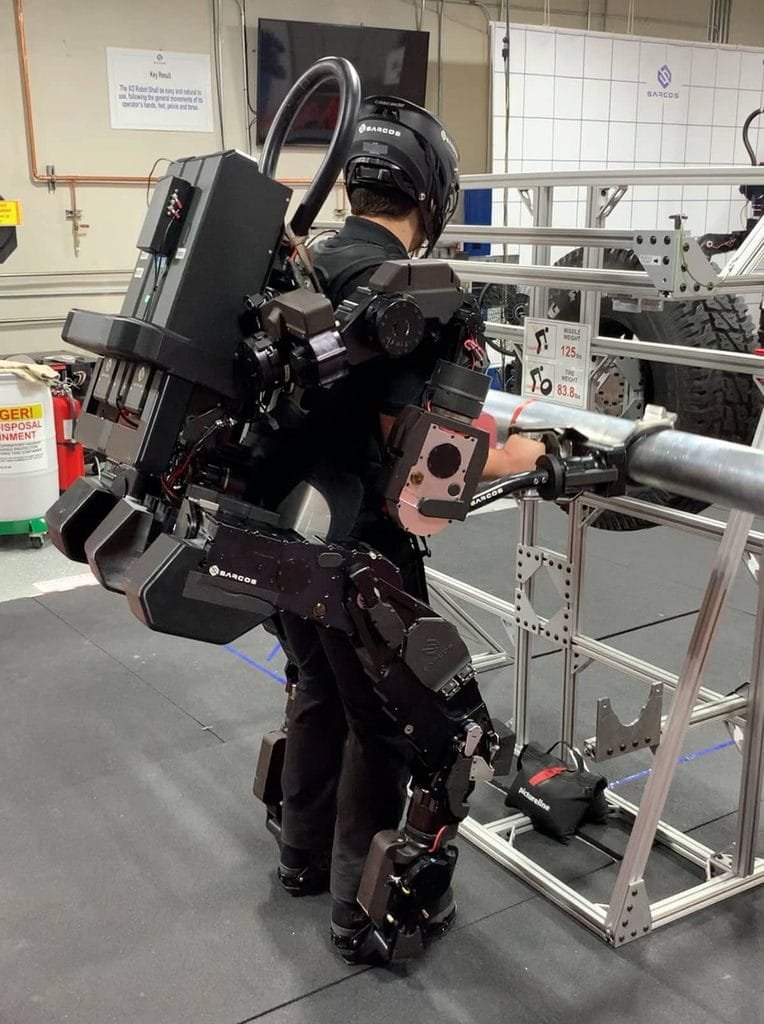
Manufacturing and industrial assembly: Upper-body and back-support exoskeletons reduce strain during overhead work, repetitive lifting, and tool handling. For example, automotive plants have reported cycle-time reductions and lower dropout rates on physically demanding stations. Workers can sustain higher output across shifts with fewer musculoskeletal injuries.
Logistics and warehousing: Lower-body and full-body systems assist walking, bending, and package handling during long shifts. With e-commerce driving warehouse expansion and persistent labor shortages, these devices help maintain higher output while lowering injury-related absenteeism and compensation costs.
Construction, agriculture, and mining: Wearable Robotic Load-bearing and posture-support systems reduce fatigue when carrying tools or materials, working in awkward positions, or performing repetitive tasks. Agricultural trials including partnerships involving major vehicle makers show very impressive support for field work.
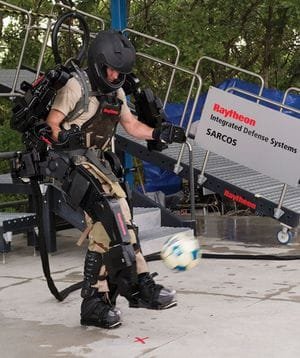
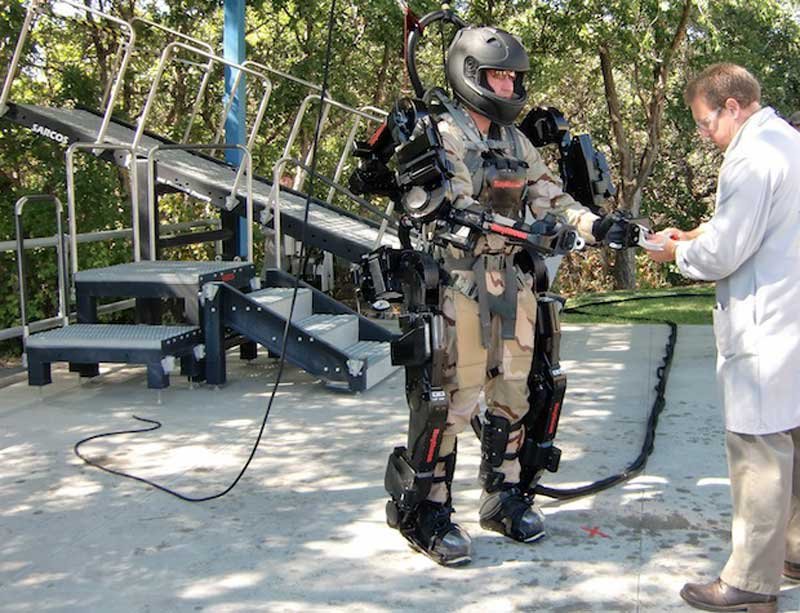
Military and defense: Wearable Robotic Systems improve soldier endurance for load carriage, maintenance tasks, and mobility, translating into higher operational effectiveness and reduced injury rates.
Other emerging areas: Nursing and patient handling to protect caregivers, oil & gas maintenance, and aerospace assembly. Across these domains, the common productivity mechanism is human–machine collaboration: the robot supplies strength or endurance while the human supplies judgment, adaptability, and dexterity.
Advantages of Wearable Robotics over Humanoid Robots in Terms of Productivity Improvement, Revenue Creation, and Job Creation
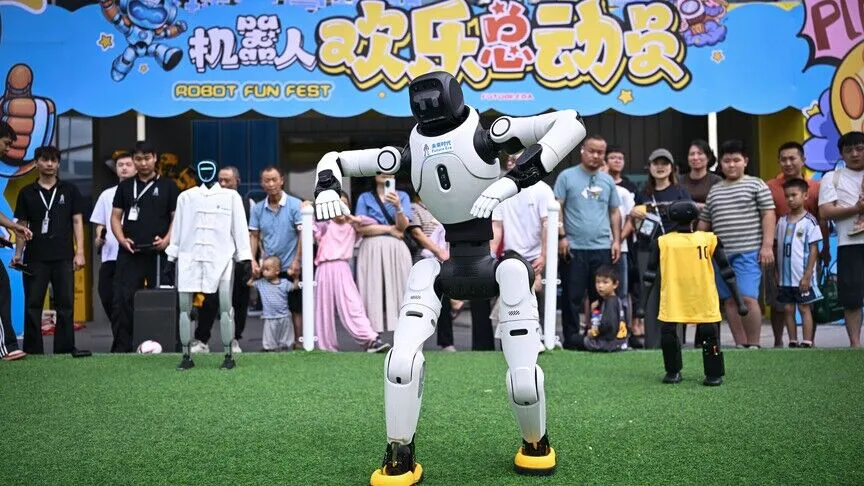
Humanoid robots promise general-purpose physical labor and long-term scalability, but they face higher costs, mechanical complexity (especially bipedal locomotion), limited current reliability for unstructured environments, and significant integration or safety hurdles. Wearable systems on the other hand offer clearer near-term advantages in three key dimensions.
Productivity improvement: Wearables deliver immediate, measurable gains by augmenting existing human workers rather than requiring full task replacement. Industrial pilot tests show reduced cycle times, lower fatigue, and fewer injuries, allowing sustained higher output without the downtime or supervision overhead that early humanoids often need.
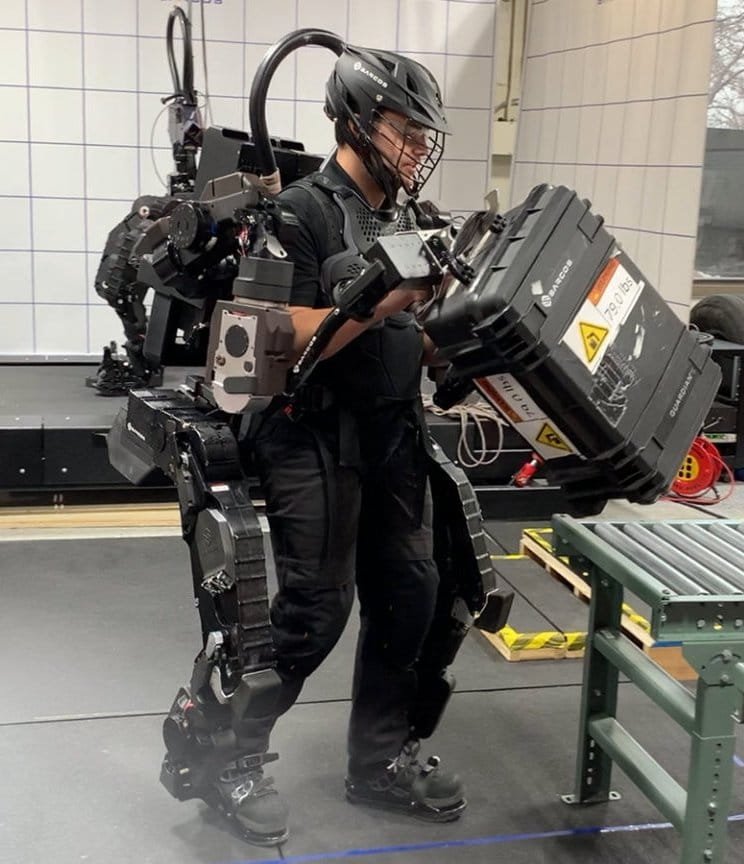
With Wearable Robotics, Humans retain situational awareness, fine motor skills, and decision-making; the wearable simply multiplies physical capacity as soft and passive designs integrate with minimal workflow disruption. Humanoids, by contrast, must achieve high autonomy and reliability before matching human flexibility in dynamic settings, and current economics often still require multiple units to equal one skilled worker’s output.
Revenue creation: The wearable robotics market itself is already generating multi-billion-dollar revenue and is projected to grow into the tens of billions within a decade. Other revenue streams include hardware sales and rentals/subscriptions, software and AI control platforms, maintenance and calibration services, training programs, data analytics from sensor streams, and specialized components (actuators, sensors, batteries).
Companies capture value across healthcare reimbursement, industrial safety ROI (lower insurance and absenteeism costs), and defense contracts. Because wearables enhance rather than displace labor, they expand the productive capacity of firms without the full capital and operational risk of replacing entire job categories. Humanoid platforms may eventually create larger absolute markets, but wearables generate earlier, more predictable returns with lower barriers to entry.
Job creation: Wearables tend to create and preserve jobs. They enable older workers or those with physical limitations to remain employed longer, reduce injury-related exits from the workforce, and generate demand for new roles: design and engineering of wearable systems, clinical or industrial fitting and training specialists, maintenance technicians, data analysts interpreting usage metrics, and sales/support staff.
Manufacturing and logistics firms facing shortages can raise output with the same or modestly expanded headcount rather than eliminating positions. Humanoids, if widely successful at low operating costs, risk broader task displacement. Wearable robotics align more closely with “Industry 5.0” human-centric augmentation, supporting workforce sustainability amid demographic shifts and labor gaps.
In short, wearable robotics offer a pragmatic, human-centered route to higher productivity and economic value. By making people stronger, more enduring, and safer, they unlock output that pure automation struggles to deliver today, while expanding the ecosystem of companies, skills, and roles that support them. As costs fall, materials improve, and AI control becomes more seamless, their role in factories, hospitals, warehouses, and beyond is poised to grow substantially including delivering measurable gains in productivity, revenue, and employment without waiting for full humanoid maturity.