In a landmark moment for Nigeria’s automotive sector and Africa’s push toward cleaner commercial transport, Dangote Sinotruk West Africa Limited has unveiled the country’s first locally assembled electric heavy-duty truck.
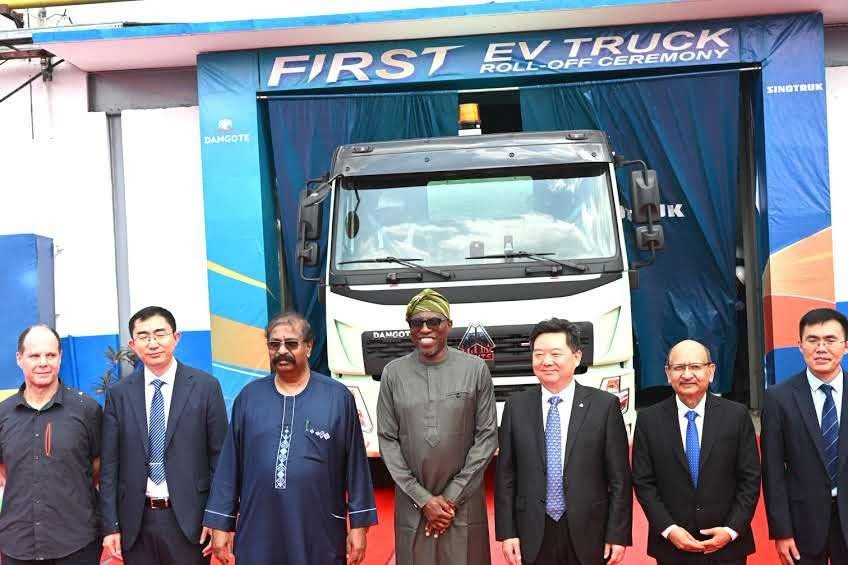
The vehicle rolled off the line at the joint venture’s assembly facility in Ikeja, Lagos, on November 15, 2026, in a ceremony attended by executives from the Dangote Group and China’s Sinotruk Group, Lagos State government representatives, industry stakeholders, and partners.
The development expands the decade-long partnership beyond conventional diesel and compressed natural gas (CNG) commercial vehicles into new-energy mobility.
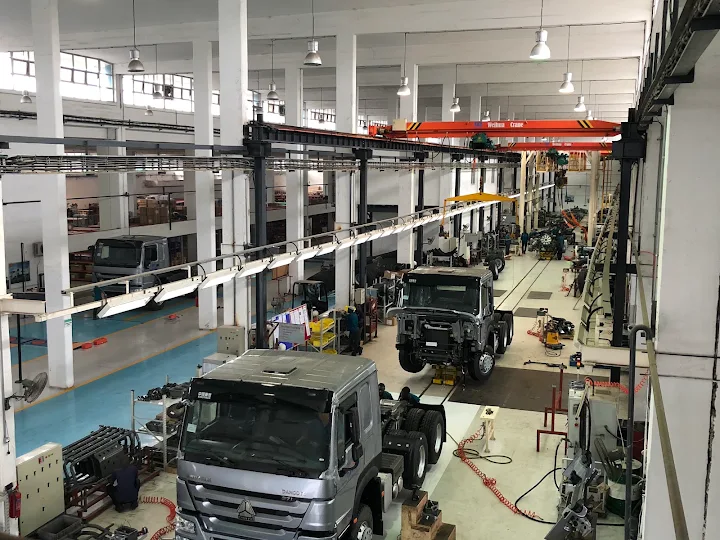
Dangote Sinotruk already assembles heavy-duty trucks, tippers, light trucks, pickups, and buses.
The collaboration between the Dangote Group and Sinotruk (China National Heavy Duty Truck Group) traces back to around 2010–2013, with the formal joint venture established in 2014.
The first heavy-duty truck left the Nigerian assembly line in 2017 at a facility designed for significant volume.
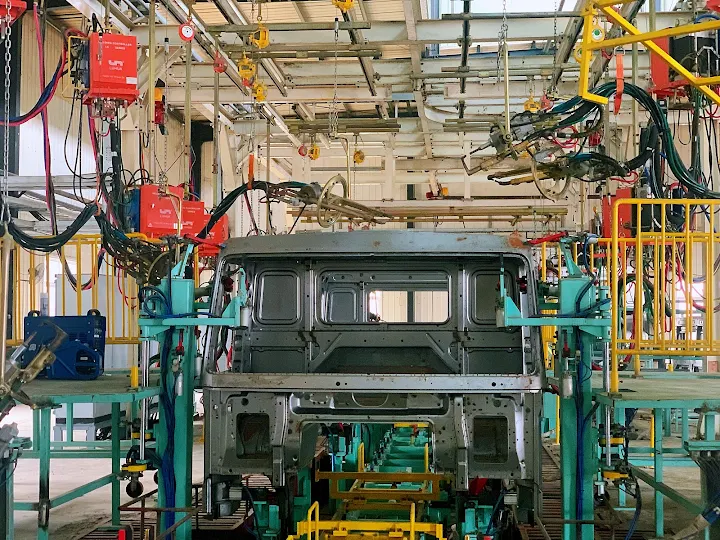
By mid-2024 the plant had added a commercial vehicle welding and e-coating paint line, advancing from basic assembly toward deeper local manufacturing capabilities.
Over the past decade the venture has assembled more than 8,000 vehicles locally.
Adding electric heavy-duty models marks a deliberate shift toward reducing reliance on diesel, lowering emissions, and supporting Nigeria’s longer-term energy transition and industrial ambitions.
Speaking at the electric truck unveiling, Devakumar V.G. Edwin, Group Vice-President of Dangote Industries Limited, said the company was responding to changing technology in the global commercial vehicle industry.
“Today, we are taking an important further step as the global economy is looking for sustainable business, that is, vehicles which will also be protective of the environment. So, we went into CNG technology and now we are going into the electric technology. This is a technology which is revolutionising the whole world,” Edwin said.
Edwin said electric commercial vehicles could lower operating costs and reduce tailpipe emissions, although the benefits would depend on electricity prices, charging infrastructure and the nature of their applications.
“The electric commercial vehicle offers the potential for lowering the operating cost and reducing the tailpipe emissions. Depending on the application, the electricity cost and the charging infrastructure, it is going to be highly beneficial to the people,” he added.
Sinotruk Group President Liu Wei described the electric truck as the first new-energy truck assembled on the African continent.
He framed the rollout as a practical step toward localized manufacturing and the green transition of commercial transport in Nigeria and West Africa, aligned with the country’s carbon-neutrality goals, efforts to modernize its energy mix, and the need to strengthen industrial capacity.
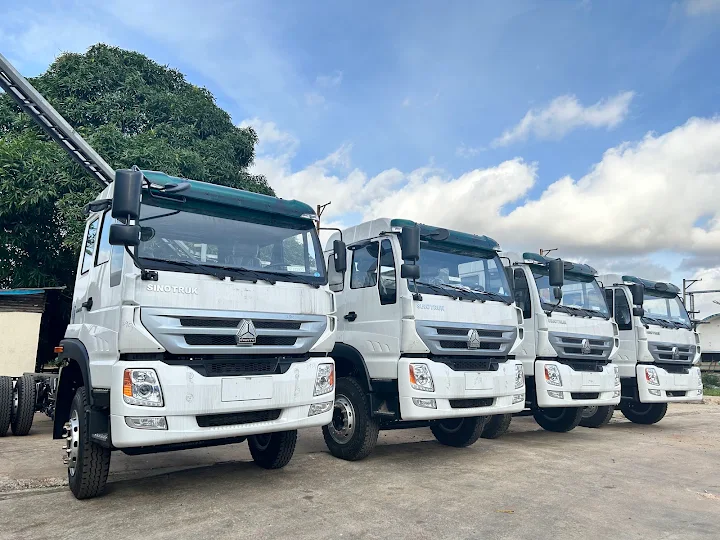
Sinotruk Group President Liu Wei said the partnership had assembled more than 8,000 vehicles locally since its first heavy-duty truck rolled off the Nigerian assembly line in 2017.
The company says it is preparing charging infrastructure, spare parts and after-sales support, alongside technical training for Nigerian engineers and technicians.
However, it has not disclosed the electric truck’s price, battery capacity, driving range or planned production volumes, leaving questions about its commercial rollout and potential adoption by transport operators.
Local assembly of electric heavy-duty trucks carries several implications. It supports job creation and skills transfer in modern vehicle technologies. It reduces the foreign-exchange burden associated with fully imported vehicles.
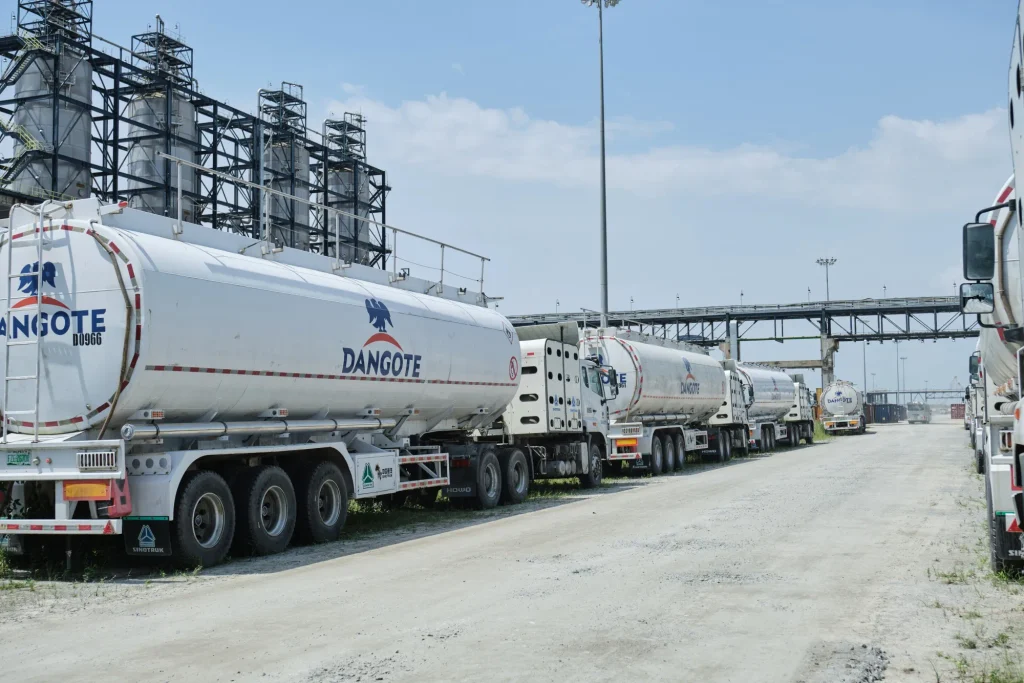
Over time, electric trucks offer the potential for lower operating costs compared with diesel, especially for fleet operators facing high fuel prices, though specific battery capacity, range, payload, pricing, and production targets were not disclosed at the launch.
The event also reinforces Lagos and Ikeja as industrial hubs. Local government representatives welcomed the investment as strengthening the area’s position in commerce, industry, and technology.
Officials noted potential benefits including reduced transport emissions, lower long-term operating costs, and the development of local expertise in electric vehicle systems.
Success will depend on complementary factors such as reliable electricity supply, expanded charging infrastructure, supportive standards and incentives, and continued policy backing for local manufacturing.
Future plans by Dangote Group includes upgrading production facilities, increasing capacity, and introducing additional models such as more heavy-duty and light trucks, pickups, trailers, and body-building capabilities.
The electric truck launch is presented as the next phase after CNG adoption, reflecting a pragmatic, multi-fuel approach rather than an abrupt switch.
For fleet operators, manufacturers, and policymakers, it signals that Nigeria is moving from import dependence toward more sophisticated local production of cleaner commercial vehicles.
The unveiling is more than a single product launch. It is a visible marker of industrial deepening, technology partnership between Nigerian and Chinese firms, and an early step in the electrification of heavy transport on the continent.
As charging networks and supporting policies mature, the real test will be scale, reliability, and cost competitiveness on Nigerian roads.
For now, the first locally assembled electric heavy-duty trucks has rolled out of Ikeja and with it, a clearer signal of where Nigeria’s commercial vehicle industry intends to go.