Nigerian roads have long been dominated by aging imported petrol and diesel vehicles. That picture is beginning to shift. Rising fuel prices after the 2023 petrol subsidy removal, ambitious climate targets, and a wave of local assembly and innovative business models are pushing electric vehicles (EVs) from niche curiosity toward a meaningful force in the country’s transport sector. While still early-stage, the transition is already reshaping costs, creating new industrial opportunities, and forcing a rethink of infrastructure and energy systems.
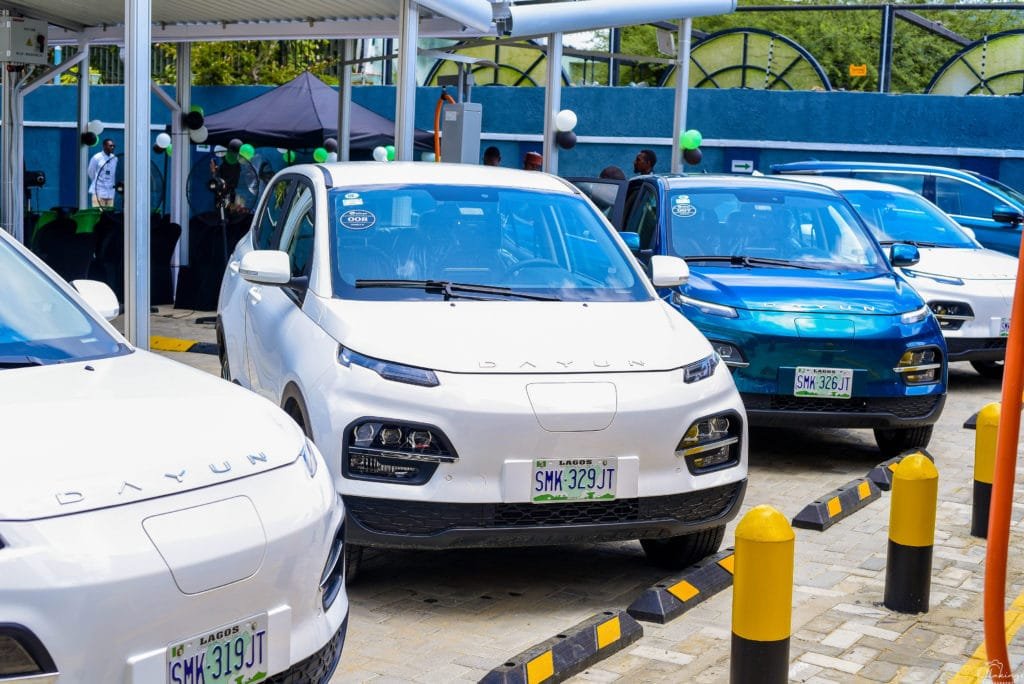
Today, Nigeria buys hundreds of thousands of vehicles each year with estimates ranging from around 400,000–720,000 units annually of vastly imported used vehicles. Local production has historically been minimal around 14,000 cars per year against much higher installed capacity.
The Nigerian transport sector is a major source of toxic emissions and a heavy consumer of imported refined fuel. Post-subsidy fuel prices have fluctuated dramatically, frequently exceeding with prices going as high as ₦1200–₦1,500 per litre of fuel, sharply raising operating costs for private motorists, commercial drivers, logistics operators, and the millions who rely on motorcycles (okada) and tricycles (keke).
Against this backdrop, Electric Vehicles offer lower running and maintenance costs. Electric two- and three-wheelers already show favourable total cost of ownership in many use cases. Higher-utilisation commercial vehicles stand to benefit most quickly. Estimates put the national EV fleet at roughly 15,000–20,000 units by the end of 2025 (under 1% of the total vehicle park of more than 11–12 million), representing strong growth of several hundred percent since 2020, concentrated in commercial segments.
Government policy is also actively accelerating the shift. Nigeria’s Energy Transition Plan targets Electric Vehicle’s making up 60% of the vehicle fleet by 2050 and near-total electrification by 2060. Practical measures include VAT exemption on EVs (from 2024), reduced or zero import duties, and tax waivers approved for nearly 4,000 EVs in the first half of 2026. The National Automotive Industry Development Plan and the proposed Electric Vehicle Transition and Green Mobility Bill emphasise local content (targeting around 30% by 2030) and aim to use the EV transition as industrial policy to rebuild domestic manufacturing.
Benue State Launches Solar-Powered Electric Taxis to cut Transport Costs and Create 8,500 jobs
The Benue State Government last year, Launched a fleet of solar-powered electric vehicles, marking a significant leap toward affordable, eco-friendly transportation and job creation in the state.
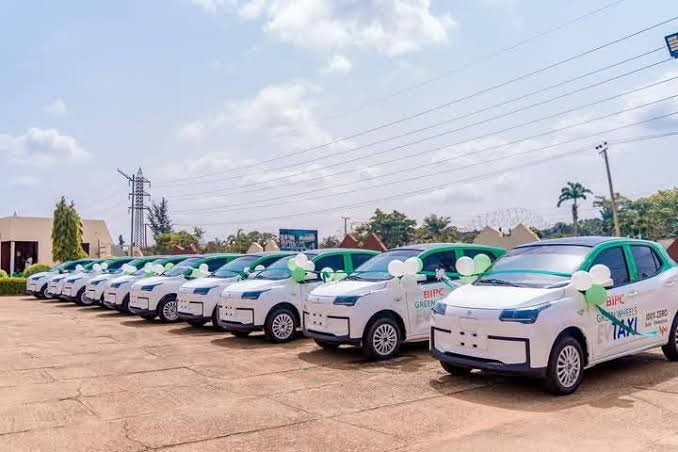
The initiative, a partnership between the state government and Esse Mobility, introduces commercial solar taxis, the News Agency of Nigeria (NAN) reports.
The pilot rollout began in Makurdi, the Benue State capital, with plans to expand to other cities such as Otukpo and Vandeikya in the coming months.
These incentives, combined with high fuel costs, have increased inquiries and sales interest among distributors and fleet operators. Public procurement of electric buses and state-level pilots further signal demand.
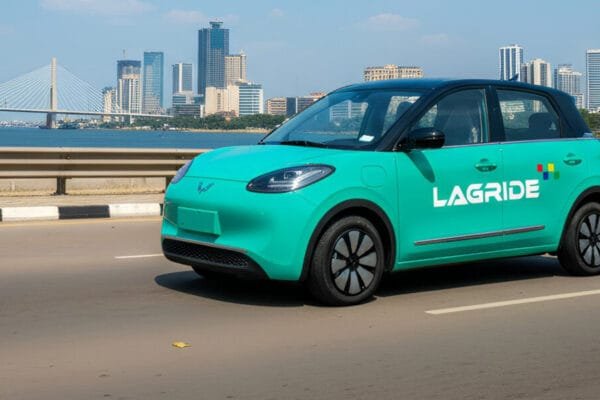
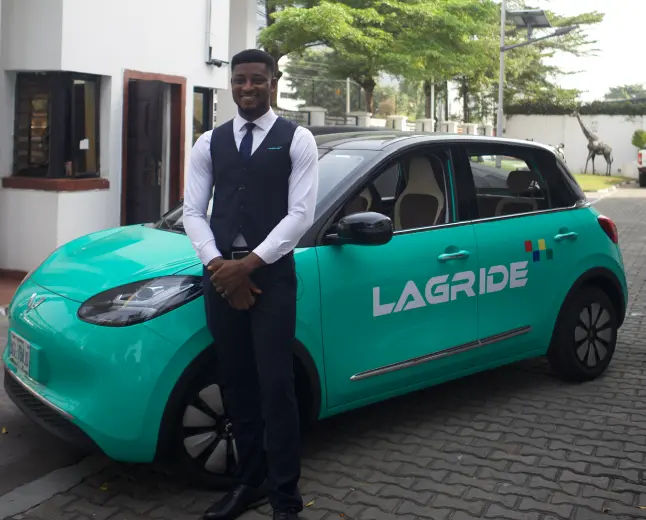
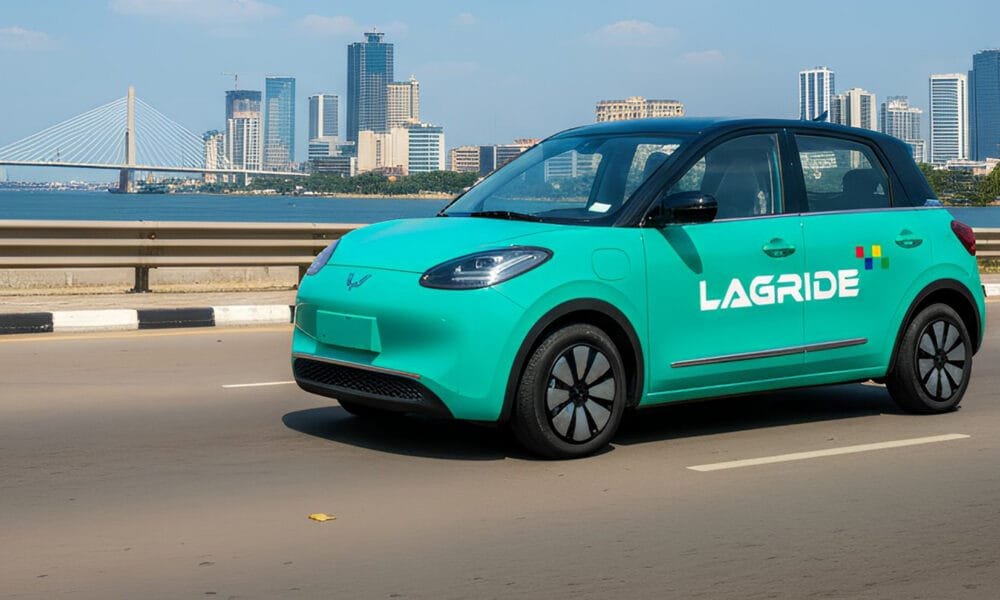
Lagos State Government-backed E-Taxi Service, Lagride expands fleet with 100 EVs, introduces new scheme
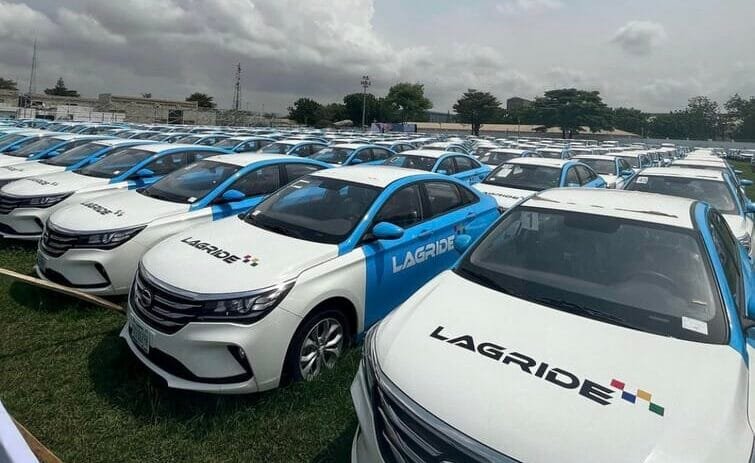
Lagos State government-backed e-taxi service, Lagride, has expanded its fleet with 100 electric vehicles as part of an ambitious plan to capture at least 70 per cent of the Lagos e-hailing market.
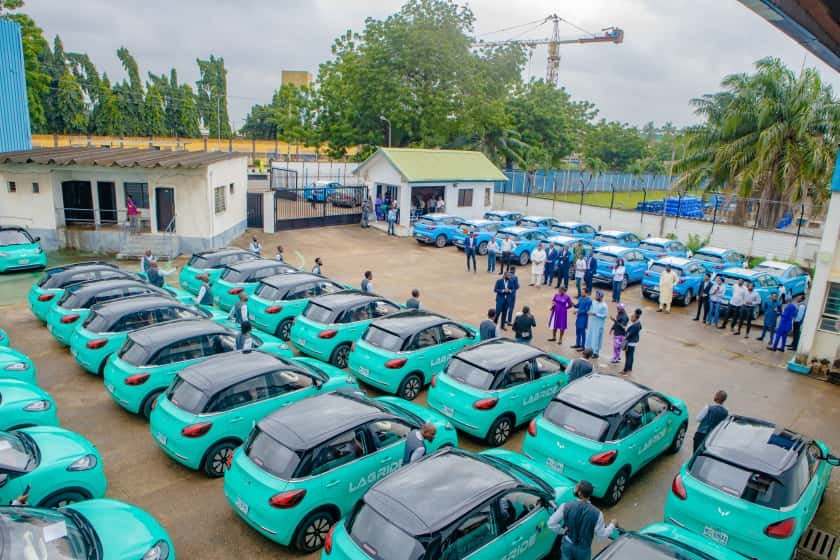
The company made this known in Lagos, where it said that its plan represented a significant step in the state’s broader transportation transformation strategy.
The new fleet addition maintains Lagride’s plan of weekly expansions to meet rising demand during the Ember months, when transportation needs typically surge across Lagos.
The programme is designed to onboard up to 10,000 drivers, creating what the company describes as “a virtuous cycle of better livelihoods and better journeys.”
Benefits of the plan to include shorter wait times, lower emissions and higher reliability during peak travel periods.
A key innovation is Lagride’s introduction of car leasing offers in partnership with leading banks, alongside “Drive to Own” and “Drive to Earn” options that allow drivers to build equity over time.
Local Players and Innovative Models Leading the Electric Vehicle Charge in Nigeria
Several companies are moving beyond pure imports into assembly and ecosystem building:
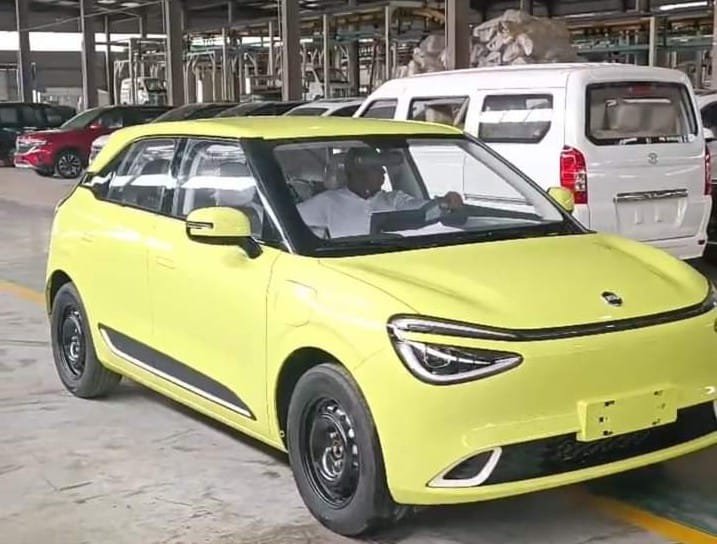
- SAGLEV Electromobility operates one of the pioneering dedicated EV assembly facilities in Imota, Lagos (Ikorodu area), with capacity in the low thousands of units annually and plans to scale. It assembles a range of passenger and commercial vehicles from kits.
- Spiro has focused heavily on electric motorcycles and battery-swapping networks, deploying dozens to over a hundred swap stations (with expansion plans into the thousands) and thousands of e-bikes. Battery-as-a-Service models lower the upfront cost barrier for riders.
Last month, SeedufyTech reported how Spiro raised a record $215 Million Dollars to increase electric vehicle manufacturing and scale it’s rechargeable battery swapping systems across Africa.
- Other notable players include MAX (ride-hailing and e-mobility platform), CIG Motors, Jet Motor Company (electric vans and buses), Roxettes Motors, Esse, and traditional players such as Innoson exploring electric variants. Larger-scale ambitions include memoranda for major assembly plants, including a potential high-volume facility linked to South Korean partners.
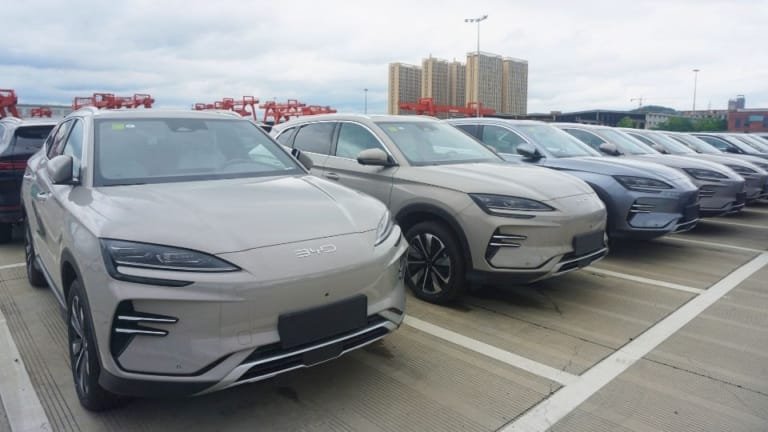
Chinese brands (BYD, Chery, Geely and others) are also visible through imports and partnerships. The emphasis on two- and three-wheelers and commercial fleets makes sense as these segments deliver faster payback through high daily mileage and lower energy costs, while battery swapping sidesteps some of the limitations of slow home or public charging.
Economic, Environmental, and Social Impacts of Electric Vehicle’s on Nigeria’s Transport Industry
The emerging EV ecosystem is already influencing the industry in several ways:
- Lower operating costs: For commercial operators, electric vehicles translate into potential savings that can improve margins or reduce fares/transport costs for users. Lifecycle analyses generally show EVs delivering significant running-cost advantages and greenhouse-gas reductions (often in the 28–40%+ range depending on the electricity mix and vehicle type), with greater benefits if charging draws from renewables or cleaner sources.
- Industrial revitalisation and jobs: Local assembly, battery services, charging infrastructure, maintenance, and related supply chains create opportunities for skilled and semi-skilled employment and technology transfer. Success could reduce the large annual outflow of foreign exchange on vehicle and fuel imports.
- Air quality and health: Reduced tailpipe emissions in congested cities such as Lagos offer public-health co-benefits.
- New business models: Subscription, leasing, pay-as-you-drive, and battery-swapping approaches make ownership more accessible and better suited to Nigerian conditions than traditional outright purchase.
Early pilots of electric buses in Lagos and federal procurements demonstrate that mass-transit applications are feasible when paired with dedicated charging or operational planning.
Persistent Challenges facing Widespread Electric Vehicle deployment on Nigeria
Despite Nigeria’s fast growing Electric Vehicle industry, Significant hurdles remain that limits Nigeria’s widespread deployment of Electric Vehicle’s. For example, Nigeria’s national grid delivers roughly 4,000 MW for a population exceeding 200 million which is among the Lowest per-capita availability of major economies Leading leads to frequent outages.
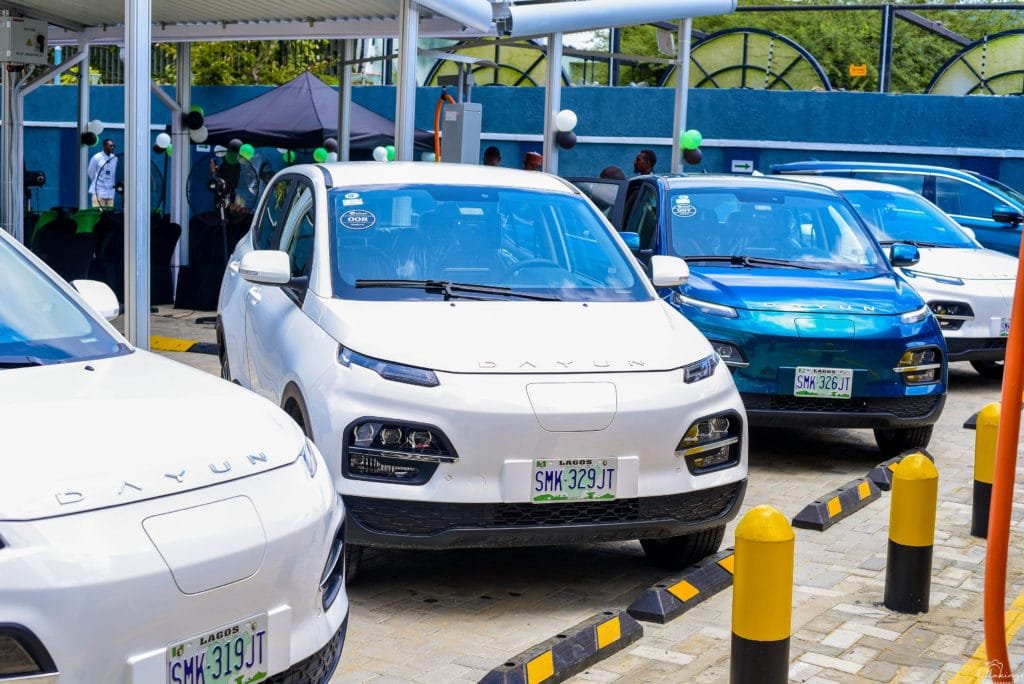
Today in Nigeria, Many EV owners and operators rely on generators or solar hybrids for charging. Public charging infrastructure is still sparse (around 48 stations as of late 2025, concentrated in Lagos and Abuja), far behind markets such as South Africa.
Affordability Crisis: Affordability remains a hurdle, with even some pre-owned EVs starting at $25,000. To spur the adoption of electric vehicles in Nigeria, EV World Africa and its sister company, Electric Mobility Center, offer subsidies, free charging stations, and financing solutions though convincing Nigerians to embrace loans is an ongoing challenge.
Infrastructure and policy gaps persist and while Nigeria boasts over 5,000 EVs (including two- and three-wheelers), charging networks are sparse, and unclear customs waivers for Electric Vehicles create bottlenecks.
These constraints explain why two- and three-wheelers and commercial fleets are advancing faster than private passenger cars, and why hybrid or range-extended models and solar-powered or generator-backed solutions feature prominently.
Momentum is building. Industry observers and executives anticipate accelerated growth in 2026 and beyond as policy clarity improves, more assembly capacity comes online, battery costs continue to fall globally, and innovative financing and charging solutions scale. Two- and three-wheelers and high-utilisation fleets are likely to lead, followed by broader commercial and eventually private adoption if electricity reliability and infrastructure improve in parallel—ideally with greater integration of solar and other renewables.
Nigeria’s large domestic market, entrepreneurial energy, and policy focus position it to become a significant West African EV hub rather than a perpetual importer of used internal-combustion vehicles. Realising that potential requires sustained coordination across government agencies, reliable power-sector progress, patient capital for infrastructure, and continued private-sector innovation in vehicles, batteries, and services.
Electric mobility is vastly transforming Nigeria’s transportation industry overnight. Yet the combination of economic pressure from high fuel costs, clear long-term policy direction, and practical local solutions is already changing cost structures, industrial ambitions, and the conversation about the future of mobility on Nigerian roads. The shift is underway and its pace will depend on how effectively the country addresses the twin challenges of energy reliability and scalable infrastructure.