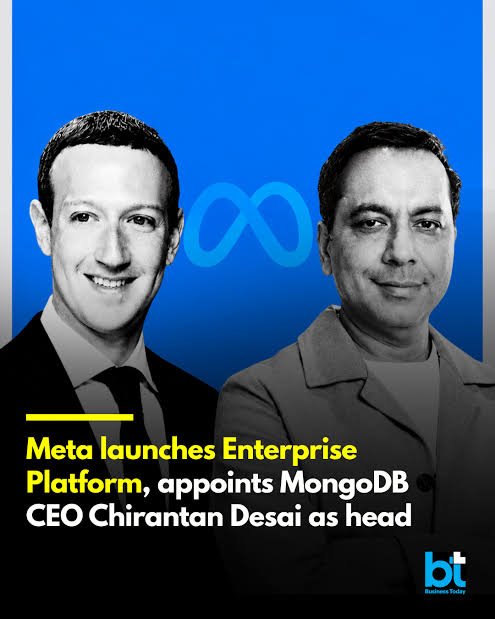
On September 28, 2026, Meta Platforms announced the creation of Meta Enterprise Platform, a new business unit designed to package and sell its artificial intelligence technologies directly to companies and developers.
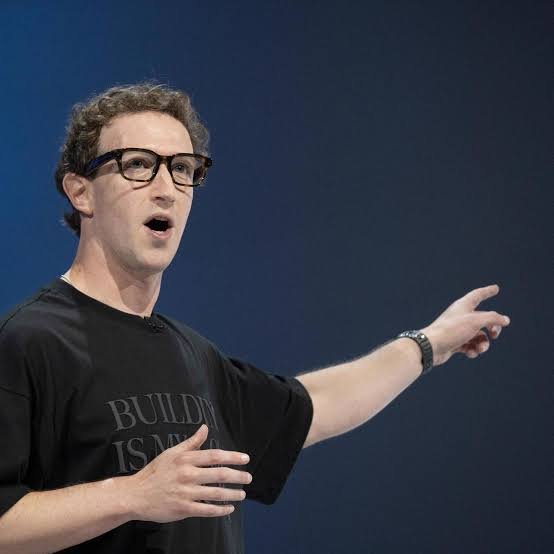
CEO Mark Zuckerberg described it as “the next major pillar of our business,” positioning the move as a strategic expansion beyond advertising and consumer social apps into enterprise software and services.
The initiative arrives as Meta continues heavy investment in AI infrastructure and models. It aims to turn the company’s advanced models, agentic systems, large-scale computing resources, and deep experience working with advertisers and small-to-medium businesses into products that organizations can deploy for their own operations such as customer service, internal workflows, software development, and growth initiatives.
To lead the new unit, Meta has hired Chirantan “CJ” Desai as Chief Enterprise Platform Officer, reporting directly to Zuckerberg. Desai stepped down the same day as president and CEO of MongoDB, the database software company he had led since November 2025.
Desai brings extensive enterprise software experience. He previously served as president of product and engineering at Cloudflare and spent nearly eight years at ServiceNow, rising to president and chief operating officer, where he helped scale the company significantly. Earlier roles included leadership positions at EMC and Symantec, and he began his career at Oracle. Zuckerberg highlighted Desai’s track record building full-stack software and delivering results across AI, infrastructure, business applications, and security.
In his statement, Desai emphasized the transformative potential of AI: “Over the coming years, AI will fundamentally redefine how organizations of all sizes innovate, grow, serve customers, and run business operations.”
He noted Meta’s unique combination of advanced models, leading agents, and a proven record helping millions of advertisers and hundreds of millions of businesses scale. Security and privacy, he said, are being built into the enterprise products from the outset.
MongoDB’s shares fell more than 17% on the news of Desai’s departure. The company appointed former CEO Dev Ittycheria as interim chief executive while searching for a permanent replacement.
The Initial Technology Stack
Meta Enterprise Platform will initially focus on bringing the company’s full technology stack to businesses and developers. Key components named in the announcement include:
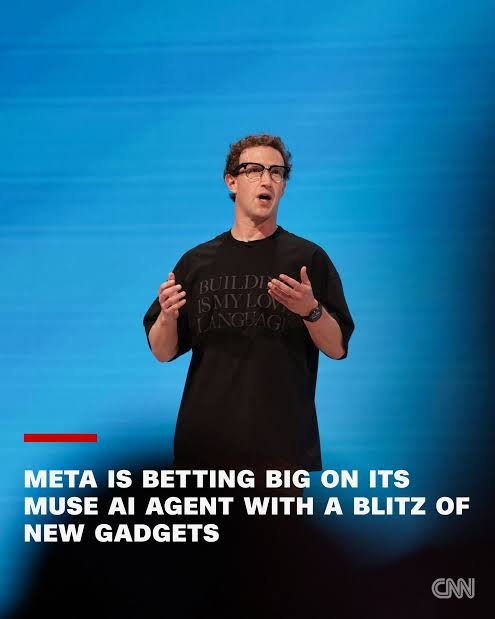
– Muse agent: Meta’s personal AI agent, launched in early September 2026 for U.S. consumers. Muse runs on a dedicated secure virtual machine with its own browser and can perform multi-step tasks on a user’s behalf, such as sending emails, booking travel, filling forms, shopping, and handling customer service interactions. It connects to everyday apps and services, continues working in the background, and notifies users when it needs approval or has completed work. A free tier exists alongside paid plans.
- Meta Business Agent: Introduced in June 2026, this agent helps businesses automate customer interactions, sales, appointments, and support across WhatsApp, Messenger, Instagram, and other channels. It builds on earlier chatbot tools already used by more than a million businesses and is designed so companies can “show up for every customer as if they had an infinite team.” A related Business Agent Platform allows larger organizations to build custom agents with enterprise controls, guardrails, and integrations to systems such as Shopify, Zendesk, and others.
- Muse API: Programmatic access to Meta’s models, enabling developers to integrate the underlying AI capabilities into their own applications and services.
- Muse Code: A coding tool/agent intended to support software development workflows.
Zuckerberg framed these as the starting point, with more tools expected over time. The platform draws on Meta’s strengths in advanced models, agentic systems, massive infrastructure, and long experience serving businesses at scale through its advertising and messaging products.
Notably, Meta’s open-weight Llama model family widely adopted by developers and enterprises for customization and on-premises or private-cloud deployment was not explicitly named in the initial Enterprise Platform description, though Meta has continued to support Llama through partnerships and platforms.
The launch reflects Meta’s broader push to monetize its substantial AI investments. Zuckerberg has indicated the company expects to spend hundreds of billions of dollars on AI over the coming years, much of it on data centers and compute.
This comes as Enterprise AI services offer a path to more predictable, high-margin revenue compared with advertising alone, while leveraging Meta’s existing relationships with businesses of all sizes.
Meta has been laying groundwork for months. The June 2026 rollout of Business Agent and the Business Agent Platform already moved the company into agentic tools for commercial operations.
Muse’s consumer launch demonstrated more capable, proactive agents that can take real-world actions. Packaging these under a dedicated enterprise unit signals a clearer commercial pitch: businesses can deploy Meta’s AI stack inside their own operations rather than primarily using Meta to reach customers via ads and messaging.
Competition is intense. Microsoft, Google, Amazon, Salesforce, ServiceNow, OpenAI, Anthropic, and others already offer mature enterprise AI platforms, copilots, agent frameworks, and model-hosting services with established trust, compliance certifications, and sales organizations.
Meta’s differentiators include its agent capabilities, massive real-world usage data from social and messaging products, and infrastructure scale. Analysts and observers have noted that trust remains a key hurdle therefore, Meta must convince CIOs, and security teams that its enterprise offerings meet rigorous standards for data privacy, security, governance, and reliability.
Meta has stressed that security and privacy are foundational, similar to the approach taken with Muse. Subsequent announcements, such as Muse for Small Business with integrations to tools like Shopify, Slack, Notion, QuickBooks, and others, suggest continued expansion of practical business use cases.
For developers and businesses, the near-term opportunity lies in early access to Muse API, Muse Code, Business Agent capabilities, and the ability to experiment with agentic workflows tied to Meta’s models and infrastructure.
Longer term, success will depend on execution: delivering enterprise-grade administration, integration, measurement, support, and trust while converting Meta’s technical strengths into products that solve real operational problems better or more cost-effectively than alternatives.