Algeria has reached a significant milestone in the development of its drone industry by awarding its first national accreditation for unmanned aerial vehicle (UAV) pilot training. This achievement places the country among a growing number of African nations investing in drone education, certification, and technological advancement.
The accreditation was granted to SKY-TEC ENGINEERING SPA, a subsidiary of the state-owned Center for Research in Industrial Technologies (CRTI). The authorization enables the company to train operators of both Class 1 and Class 2 drone systems.
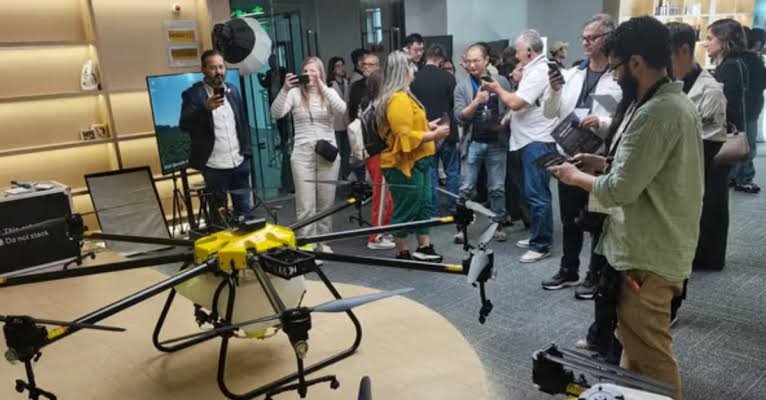
Picture showing invited guests at the Launch of Algeria’s Drone Training Center – Photo Credit: Ahmed Zulfiqar
Algeria’s Minister of Higher Education and Scientific Research, Kamal Badari, announced the development, highlighting that it resulted from sustained collaboration between various stakeholders, including the National Center for Airborne Drone Systems. He emphasized that the initiative is designed to promote innovation, strengthen technical expertise, and cultivate highly skilled professionals in emerging technologies.
Announcing the milestone, Algeria’s Minister of Higher Education and Scientific Research, Kamal Badari, said the achievement was the result of “continuous efforts and fruitful cooperation with the National Center for Airborne Drone Systems.”
According to the minister, the initiative contributes to supporting “excellence, innovation, and developing national competencies in advanced technological fields.”
With this approval, SKY-TEC ENGINEERING can now offer specialized drone pilot training programs to individuals, businesses, government agencies, public institutions, and organizations seeking qualified UAV operators. The center is expected to play a key role in building local expertise and supporting the country’s growing demand for drone-related services.
According to Badari, the accreditation represents an important step toward enhancing Algeria’s capabilities in drone technology while aligning with the country’s ongoing digital transformation efforts.
The demand for drone technology continues to grow across multiple industries, including agriculture, mining, infrastructure inspection, environmental management, logistics, emergency services, and security operations. As a result, many African countries are prioritizing the development of structured training and certification systems to support the sector’s expansion.
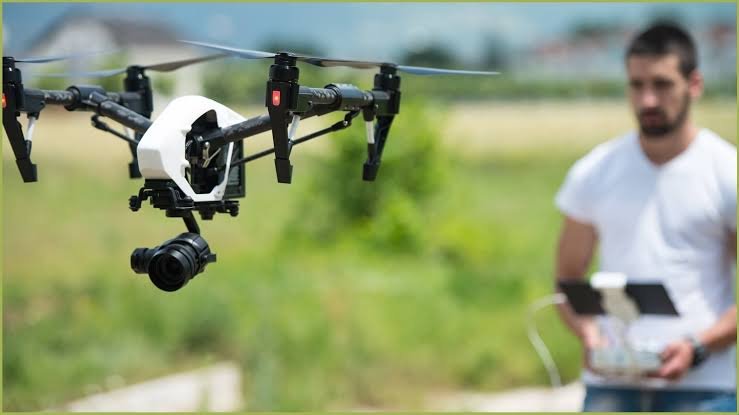
Picture Showing an Ultra-Light Drone undergoing training – Photo Credit: I-Stock Photos
South Africa remains one of the continent’s leading drone markets, supported by a well-established regulatory framework and several approved training institutions that produce licensed drone pilots for commercial and industrial use.
Rwanda has also distinguished itself as a pioneer in drone innovation, particularly through drone-based medical delivery services and investments in aviation infrastructure and skills development programs.
Meanwhile, Nigeria has expanded its drone training ecosystem through institutions accredited by the Nigerian Civil Aviation Authority (NCAA), responding to increasing demand for qualified UAV operators in industries such as agriculture, mapping, and the oil and gas sector.
Across Africa, governments are increasingly recognizing that developing local talent is just as important as acquiring advanced drone technologies. Establishing a strong pipeline of certified drone operators can improve operational safety, encourage innovation, and create new economic opportunities within the rapidly growing UAV industry.
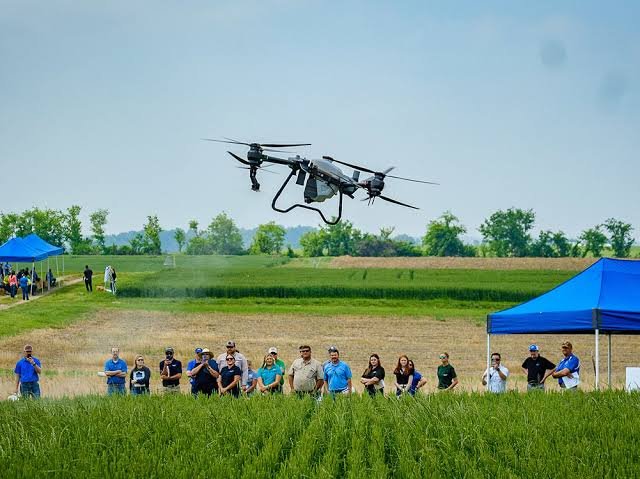
Picture Showing a Herbicide Agricultural Spraying Drone in action – File Photo
For Algeria, the accreditation of SKY-TEC ENGINEERING represents more than a regulatory achievement. It reflects the country’s broader ambition to build homegrown expertise in one of the world’s fastest-growing technology sectors and strengthen its position as a future center for drone training, research, and innovation in North Africa.
The newly accredited facility is authorized to train operators of Class 1 and Class 2 drones, providing valuable support to both professional and government sectors that rely on UAV technology.