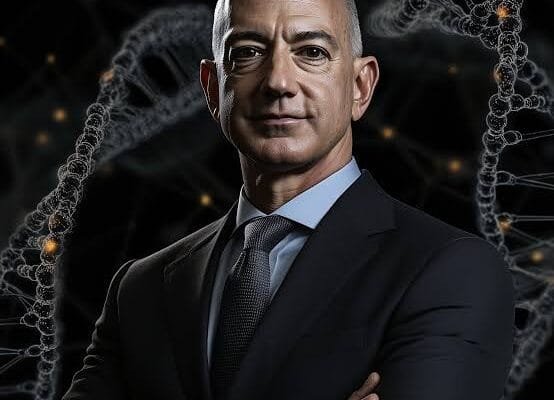
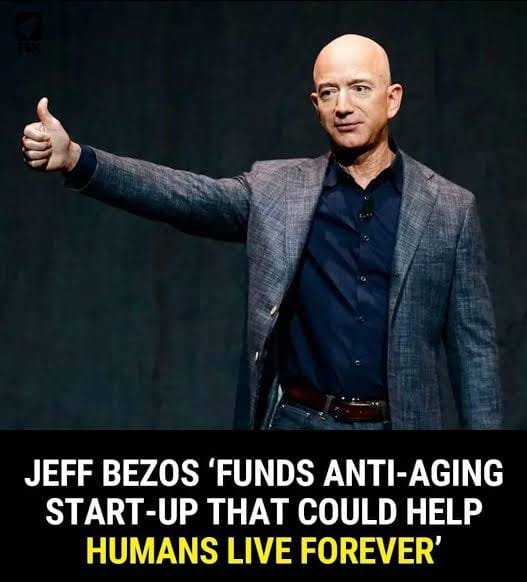
In 2023, Jeff Bezos, Yuri Milner, ARCH Venture Partners, and others invested $3 Billion Dollars in Altos Labs, a biotechnology company launched publicly in early 2022 with the goal of engineering a Biotechnology “Immortality pill” that reverses cell aging for humans.
Altos Lab raised approximately $3 Billion the largest initial financing for a biotech startup at the time from investors reported to include Jeff Bezos (via Bezos Expeditions), Yuri Milner, ARCH Venture Partners, and others. Altos’s stated mission is to restore cell health and resilience through cellular rejuvenation programming, with the aim of reversing disease, injury, and age-related disabilities.
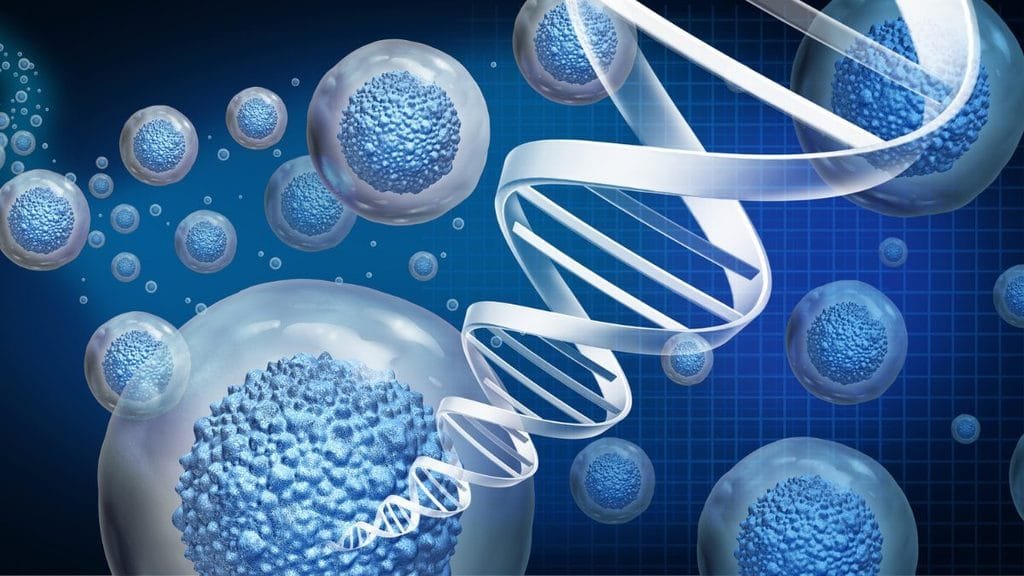
The core technology draws from Shinya Yamanaka’s 2012 Nobel Prize-winning discovery of four transcription factors Oct4, Sox2, Klf4, and c-Myc often called the Yamanaka factors or OSKM. When introduced into adult cells, these factors can reprogram them toward a pluripotent, embryonic-like state.
Preclinical work much of it building on earlier academic studies by researchers such as Juan Carlos Izpisúa Belmonte, who joined Altos has shown that partial reprogramming can improve markers of health, tissue function, and even survival in mouse models of aging without dramatically increasing cancer incidence when carefully controlled. Related approaches have restored vision in damaged optic nerves in animal models.
Sadly for Billionaire Jeff Bezos and his Co- Investors seeking to outlive Methuselah the oldest man believed to have lived the surface of the earth, full reprogramming carries major risks, including loss of cellular identity and potential tumorigenesis. Therefore, the more promising and safer direction pursued by Altos and peers is partial or transient reprogramming: brief or pulsed exposure that resets epigenetic marks of aging the “epigenetic clock” while preserving the cell’s specialized identity and function.
Altos today has assembled an unusually strong scientific roster, including Nobel laureates and high-profile industry leaders such as Hal Barron (former GSK chief scientific officer) as CEO. Shinya Yamanaka has served as an unpaid adviser.
Altos operates Institutes of Science focused on fundamental biology of cell rejuvenation in locations including the San Francisco Bay Area, San Diego, and Cambridge (UK), an Institute of Medicine aimed at translation, and, more recently, an Institute of Computation that applies AI and machine learning to model cellular resilience, perturbation responses, and biological clocks.
The company has published or contributed to peer-reviewed work and preprints on topics such as mesenchymal drift in aging tissues, targeted partial reprogramming, and computational tools for predicting cellular responses.
In 2025, Altos acquired Dorian Therapeutics, a Stanford-linked startup developing small-molecule “senoblockers” that target epigenetic regulators to reduce the burden of senescent cells and support regenerative capacity, thereby broadening Altos beyond pure reprogramming into complementary senescence-related approaches.
What Has and Has not Happened since the $3 Billion Dollar Jeff Bezos and Co “Immortality pill” funding?
As of today, No “immortality pill” exists, and Altos has not brought a consumer product or approved therapy to market.
As of 2025–2026 reporting, the company’s work remains primarily preclinical and discovery-oriented: deep basic research, organ-level experiments including work on organs maintained outside the body, computational modeling, and platform development.
Public clinical-trial pipelines for Altos itself are limited or not yet advanced to late-stage human testing of a broad rejuvenation therapy.
The field as a whole is moving cautiously toward the clinic; other groups for example, Life Biosciences have begun or are initiating early human trials of partial reprogramming approaches focused on specific indications such as certain forms of vision loss, using controllable delivery systems e.g., inducible gene therapy vectors.
Progress for Altos is visible in incremental scientific outputs, talent recruitment, infrastructure, AI capabilities (including awards in computational challenges), and strategic expansion via acquisition.
The $3 Billion War chest was explicitly designed to give scientists long runways free from typical short-term venture pressures, allowing them to tackle hard fundamental problems rather than rush a near-term product.
That model has enabled high-caliber work, but it also means timelines are measured in years to decades for any transformative human application. Aging is not currently classified as a disease by regulators such as the FDA, so initial clinical paths target specific age-related conditions including neurodegeneration, organ decline, fibrosis, etc. rather than “anti-aging” per se.
Billionaire Jeff Bezos’s involvement fits a broader pattern of tech billionaires funding longevity and healthspan research. Peter Thiel has in the past supported related foundations and companies; Sam Altman has previously backed Retro Biosciences; Google/Alphabet’s Calico has pursued aging biology for over a decade; and others explore senolytics, plasma factors, or metabolic pathway.
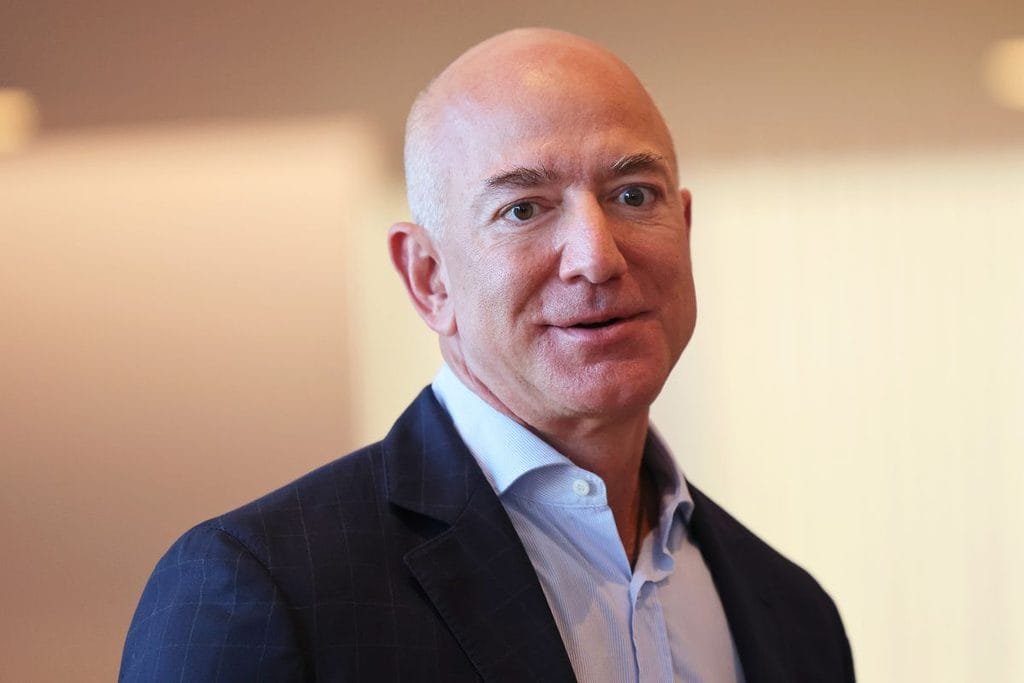
Billionaire Jeff Bezos has also previously invested in Unity Biotechnology and it’s senescent-cell targeting. These efforts collectively have poured substantial capital into the space, yet experts note that even large private bets represent a modest fraction of the scientific and clinical work still needed, and that proven, scalable interventions for healthy human lifespan extension remain limited.
In terms of prolonging human Longevity, Lifestyle factors such as exercise, diet, sleep, avoiding smoking continue to deliver the most reliable near-term gains in healthspan.

Cellular reprogramming is one of the most scientifically grounded approaches to addressing aging biology because it targets information loss in the epigenome rather than isolated downstream symptoms. Success could eventually yield therapies that improve resilience against multiple age-related diseases simultaneously.
However, major hurdles remain: safe, controllable delivery to the right cells and tissues in humans; avoiding off-target effects or cancer risk; demonstrating meaningful functional benefits in people; regulatory pathways; cost and equitable access; and the simple biological reality that aging is multifactorial. Early human data from related programs will be watched closely for safety first.
In summary, Jeff Bezos’s $3 Billion Immortality target is big in scale and ambition.
Sadly as of today, No “immortality pill” exists, and Altos has not brought a consumer product or approved therapy to market.
Altos Labs represents a well-resourced, scientifically serious attempt to turn cellular rejuvenation from laboratory observation into medicine. Years after its high-profile launch, it has produced research advances, built substantial infrastructure and computational capacity, and expanded its toolkit. Yet a transformative therapy for human aging is still a research goal, an illusion, and not a delivered product.