
Robotics in Africa is emerging as a vibrant, resilient, and increasingly impactful field. While the continent faces challenges like infrastructure gaps, funding constraints, and skill shortages, a wave of innovation driven by local talent, educational initiatives, and targeted technology advancements in healthcare, agriculture, education, and logistics is reshaping perceptions and realities about Modern Technology in Africa.
According to Morgan Stanley, The humanoid robotics industry is predicted to add a staggering $5 trillion market by 2050. This explosive economic growth is driven by the deployment of over 1 billion Robots globally to combat structural labor shortages and aging populations. However in Africa today, Robotic Inventions is moving at a very slow pace. In Africa today, Robotic Inventions are pathetically evidenced in humanoid robots built with minimal resources to drone delivery systems transforming rural healthcare. This sadly means that Africa is adopting robotics and adapting modern pioneering solutions at a very slow pace compared to global competitors.
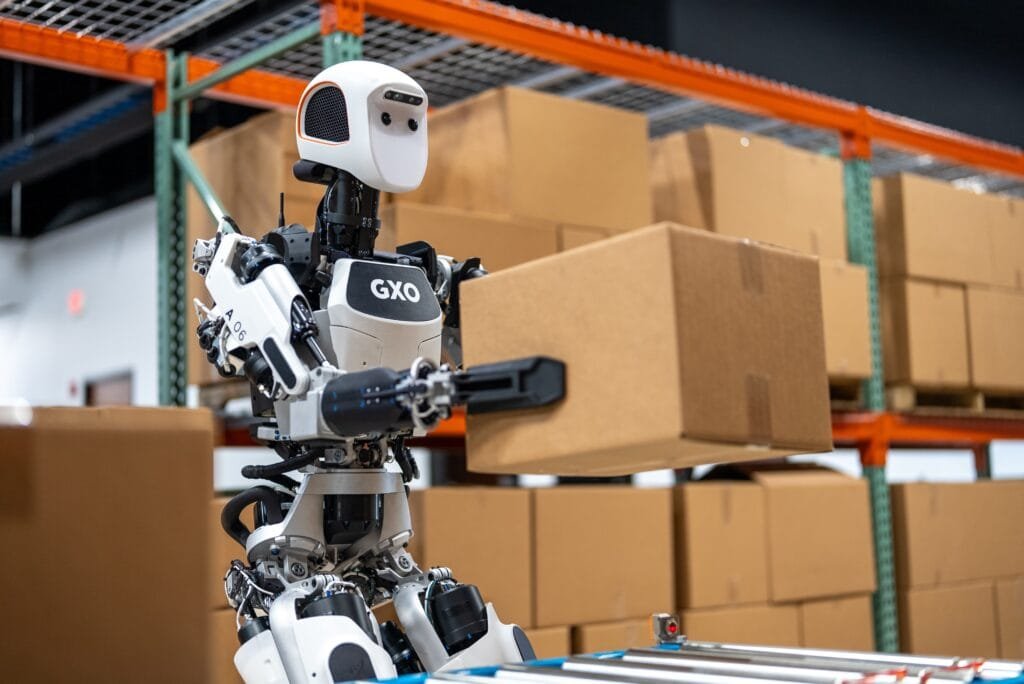
Picture Showing a German Humanoid Factory Robot in action
As of 2026, the industrial robotics market in Africa is growing steadily slowly, with projections showing expansion amid broader industrialization efforts. Educational programs like the World Robot Olympiad (WRO) have expanded dramatically, engaging Hundreds of young Africans across multiple countries however, Lack of funding, access to robotic development machines and robot training systems Leaves Africa far below the pecking order in terms of Robotic Inventions.
Today in Africa , Initiatives like the African Robotics Network (AfROB) and workshops at events like the Deep Learning Indaba signal a maturing ecosystem. Yet, progress remains uneven, slow and concentrated in hubs like South Africa, Nigeria, Rwanda, Kenya, and Uganda with very little to zero new Humanoid Robot Inventions seen emanating from the Continent.
Africa’s slow trajectory in Robotics is championed by a handful of challenges that limits home grown Robotic Inventions and promotes Tech Talent Wastage. Today, Many countries have skipped heavy industrialization phases reliant on cheap labor, moving toward automation amid global shifts. Despite concerns about robots displacing manufacturing jobs before they fully materialize, Advanced Countries in world today have leveraged opportunities in Humanoid Robots to address labor shortages in dangerous sectors such as manufacturing, mining, and agriculture, thereby improving service delivery, reducing waste and improving productivity.
Key hurdles limiting Africa’s Robotic development include: access to reliable electricity, high import costs for components, fragmented regulations, and brain drain. However, supportive policies in countries like Rwanda and South Africa, growing venture interest, and international partnerships (e.g., with ITU, Google) are accelerating momentum. Youth engagement is particularly strong, with competitions fostering STEM skills for the next generation.
The intersection between AI and Robotics is crucial for home grown Robotic development and Africa too must embrace this formula for technological prosperity. Reports on the State of AI in Africa highlight Robotics as a key application area, with natural language processing for local languages and context-aware systems standing out.
Recent Robotic Inventions and Advancements in Africa
Here is a curated list of notable recent developments:
Omeife Humanoid Robot (Nigeria, Uniccon Group)
Omeife is Africa’s first prominent humanoid robot, launched around 2022 and evolving since. Standing about 6 feet tall, Omeife features advanced perception, mobility, computer vision, and natural language understanding. It supports multiple African languages (including Hausa, Swahili, Igbo, Pidgin) and cultural nuances, with applications in healthcare, agriculture, education, and customer service. It has been showcased internationally and adopted for digital literacy initiatives.


Picture Showing Omeife Africa’s first Humanoid Robot developed by Uniccon Group – Photo Credit: Shutterstock
Abdul Malik Tejan-Sie’s Humanoid Robot (South Africa, by Sierra Leonean innovator)
Young Tejan-Sie, arriving in South Africa with minimal resources, developed the country’s first operational humanoid robot. Equipped with AI for speech and interaction, it underscores grassroots ingenuity. He founded the Africa School of Technology, and the robot was highlighted at events like Africa Tech Week.
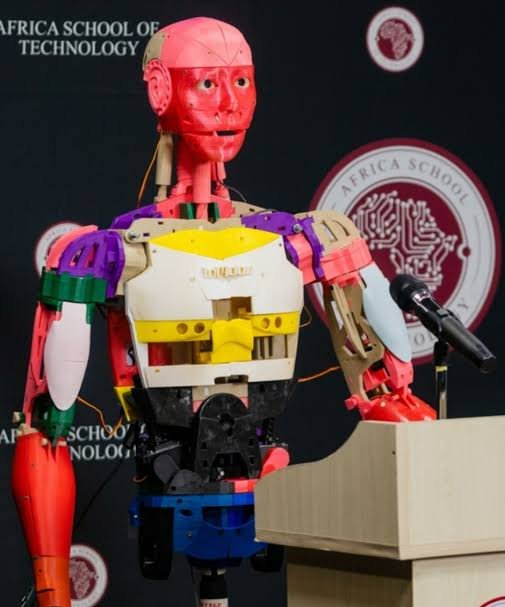
Picture Showing Malik Tejan-Sie’s Humanoid Robot – Photo Credit: Africa School of Technology
Zipline Drone Delivery System (Rwanda and beyond)
Though US-founded, Zipline’s extensive operations in Rwanda since 2016 represent a landmark in African robotics deployment. Autonomous drones deliver medical supplies (blood, vaccines) to remote areas via parachute drops, serving hospitals nationwide. Rwanda became the first African country with nationwide Zipline coverage and urban delivery testing. This has dramatically reduced delivery times from hours to minutes, saving lives and scaling to other sectors.
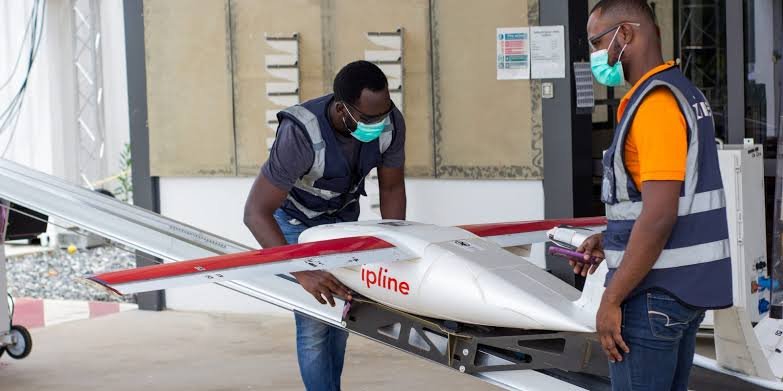
Picture Showing Ziplines Medical Drone Delivery System – Photo Credit: Drone DJ
Ryonic Robotics (South Africa)
Specializes in industrial and inspection robots, including pipeline crawlers (RMIS), ship hull cleaners, and collaborative robots (cobots) for factories. Founded in 2014, it focuses on local manufacturing for oil & gas, mining, and automation, contributing to safer and more efficient industries.
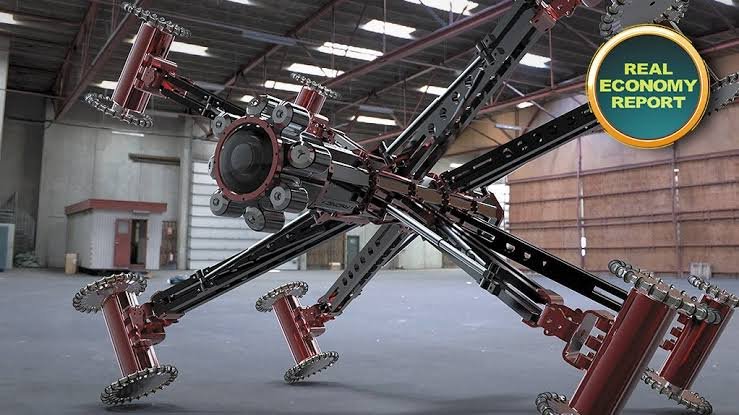
Picture Showing Ryonic Robotics (South Africa) – Photo Credit: Real Economy Impact
Fundi Bots (Uganda)
A pioneering educational initiative using robotics to accelerate STEM learning. It provides hands-on training in schools and communities, aiming to reach one million African youth by 2030. Programs blend curriculum with robot-building and coding, fostering practical skills and innovation mindsets.
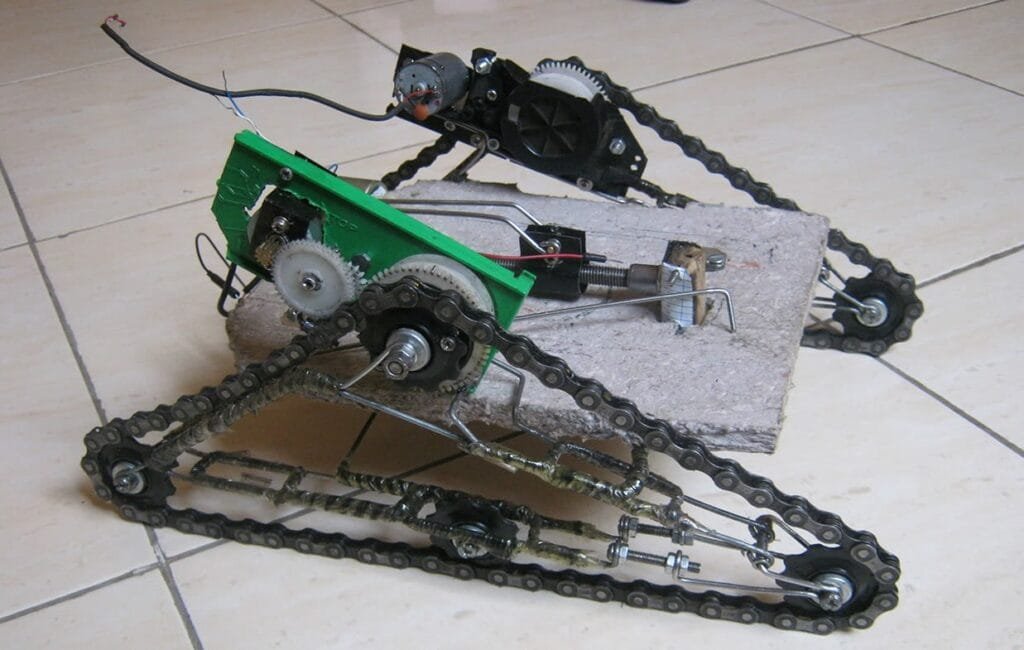
Picture Showing Ugandan Fungi Robots – CNN
South African Agricultural and Marine Robots
These efforts include mining robots reducing fatalities and ROVs (remotely operated vehicles) for marine research by institutions like NRF-SAIAB. Broader agritech robotics address farming challenges.
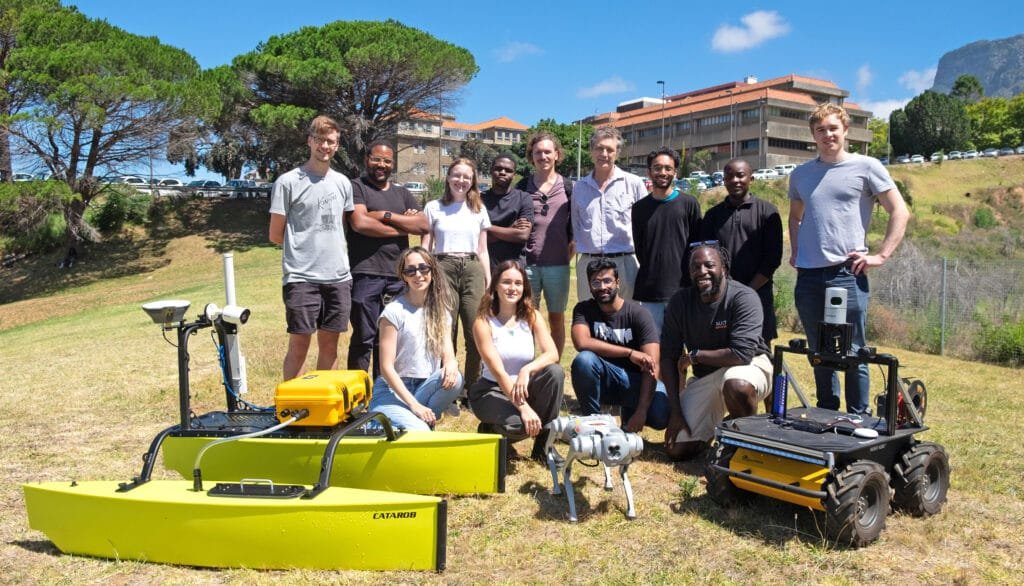
Gugu Robotics (Nigeria)
Focuses on AI, robots, and drones for real-world problems, including custom building and modification.

Other Robotic Youth and Community Initiatives in Africa
WRO Africa (thousands of participants), Robotics for Good Youth Challenge in South Africa, Presidential African Youth in AI and Robotics Competition, and SpringBots-inspired programs in Zambia highlight grassroots growth. While other startups like Zerobionic (Kenya, assistive tech) and various IoT/robotics education firms in Rwanda and elsewhere add to the ecosystem.
The State of Robotics in Africa
The state of robotics in Africa in 2026 is one of snail like development and demands immediate Attention and Resource Channelling by African Governments for fast dynamic growth. Events like the African Robotics Summit, Robot Learning for Africa workshops, and AfROB’s State of Robotics reports continue to map progress and foster collaboration however there is much work has to be done.
To scale Robotic Inventions in the continent, Africa needs Government & Private Sector Investments in Robotic Inventions, investments in infrastructure (power, broadband, data centers), talent retention, open-source collaboration, and policies supporting local manufacturing. Public-private partnerships and diaspora contributions (as seen with innovators like Tejan-Sie) are vital.
Robotics in Africa isn’t about replicating Silicon Valley models but building African adaptive Humanoid Robots capable of solving hyper-local problems delivering medicine across impassable roads, educating in under-resourced schools, or inspecting pipelines in remote areas. With its young population (median age ~19) and entrepreneurial spirit, Africa is poised to contribute uniquely to global robotics, perhaps emphasizing human-centered, sustainable, and culturally attuned designs.
In conclusion, Africa’s robotics scene is innovative, community-driven, and full of potential however much effort is needed inorder to meet up to global competitors. The next decade could see Africa not just catching up but defining new paradigms for Robotics in the Global South if Policymakers, educators, investors, and innovators collaborate to ensure this revolution is inclusive and transformative else risk becoming Robotic Consumers and Robotic dumping grounds by advanced technology countries.
SUBSCRIBE TO SEEDUFYTECH NEWSLETTER
[sureforms id=’2360′]